

Your medication usually costs more than expected because something changed between fills: your insurance deductible reset, the drug moved to a different formulary tier, a manufacturer coupon expired, a pharmacy dispensed a different generic, or your plan now requires prior authorization. Most of these causes are checkable in a five-minute phone call, and none of them require you to pay the full price without asking questions first.
Why Your Prescription May Cost More This Month

If a price jumped since your last fill, start with these before assuming nothing can be done:
- A new calendar or plan year reset your deductible.
- Your plan reclassified the drug to a higher formulary tier.
- A prior authorization or step therapy requirement was added.
- A manufacturer copay coupon expired or reached its annual cap.
- The pharmacy dispensed a brand instead of a generic, or a different generic manufacturer.
- Your quantity, strength, or days’ supply changed.
- The pharmacy is now out of network with your plan.
- A claim processed incorrectly or a coordination-of-benefits issue occurred.
Insurance Deductible or Plan-Year Changes
Every January, most insurance plans reset the deductible to zero. Until you meet it again, you typically pay the full negotiated price for covered drugs, which can feel like a sudden spike even though your coverage hasn’t actually changed. This is one of the most common reasons a January or new-plan-year refill costs far more than the December fill did.
Formulary, Copay, and Coinsurance Changes
Insurers update their drug formularies periodically, sometimes moving a medication to a higher tier or dropping it from the covered list entirely. If your copay is a flat dollar amount, a tier change raises that amount. If you pay coinsurance, a percentage of a higher negotiated price also raises what you owe. Ask your plan directly whether your drug’s tier or coverage status changed since your last fill.
Brand Versus Generic Issues
If a prescription is written “dispense as written,” the pharmacy must fill the brand version even when a generic exists, and brand pricing is almost always higher. A pharmacy may also be out of stock on the usual generic manufacturer and substitute a different one, which can shift the price slightly due to differing acquisition costs. Ask the pharmacist which version was filled and whether a generic substitution is available.
Quantity, Dosage, and Days’ Supply Changes
A change in tablet count, strength, or days’ supply changes the total price, and not always in the direction you’d expect. A 90-day supply is often, but not always, cheaper per dose than a 30-day supply, depending on your plan’s copay structure and whether the drug qualifies for extended-supply pricing. Confirm your exact quantity and days’ supply match what was prescribed.
Pharmacy Network and Location Differences
If your pharmacy fell out of your insurance network, your plan may charge a higher out-of-network rate or decline to cover the fill at all. Cash and program pricing can also differ from one pharmacy to another for the same drug, so a price difference doesn’t always mean an error occurred.
Coupon or Assistance-Program Expiration
Manufacturer copay coupons typically have an annual dollar cap and an expiration date, and many are restricted to specific insurance types. If a coupon you’ve used before suddenly stops working, check whether it expired, hit its annual limit, or excludes your current plan. One important restriction: manufacturer copay coupons generally cannot be used with Medicare or Medicaid coverage, because of federal anti-kickback rules that treat the coupon as an improper inducement when a federal program is paying part of the claim. This applies regardless of the specific drug or condition.
Prior Authorization and Claim-Processing Problems
If your pharmacist says the claim requires prior authorization, your prescriber’s office needs to submit documentation to your insurer before the plan will cover it at the lower price. Claim-processing errors, such as an outdated insurance card on file or a coordination-of-benefits mismatch between two plans, can also cause the pharmacy to charge full price by mistake. Both are worth a phone call before you pay out of pocket.
Drug Shortages and Limited Competition
When a manufacturer has a supply disruption, pharmacies sometimes have to source a costlier alternative manufacturer’s version, or a generic may temporarily be unavailable, pushing patients toward the brand version at a higher price.
Why Brand-Name and Specialty Medications Cost More
Brand-name drugs remain protected from generic competition for years under patent and exclusivity rules, and specialty medications and biologics, while a small share of all prescriptions, account for a large and growing share of total drug spending. These structural factors explain why some medications are expensive by design, separate from anything that changed on your specific plan.
Diagnostic Table: What Changed and What to Check
| What Changed | Possible Cause | What to Check | Who to Contact |
|---|---|---|---|
| Price increased in January | Deductible reset for the new plan year | Whether you’ve met this year’s deductible | Your insurer |
| Copay suddenly doubled | Formulary tier change | Current tier placement for your drug | Your insurer |
| Medication no longer covered | Formulary removal or prior authorization added | Current formulary status and requirements | Your insurer and prescriber |
| Brand dispensed instead of generic | Prescription written dispense as written, or generic unavailable | How the prescription was written | Prescriber and pharmacist |
| Coupon stopped working | Expired, capped, or plan-restricted | Coupon terms and expiration date | Manufacturer program |
| Prior authorization required | Plan added a utilization requirement | What documentation the plan needs | Prescriber’s office |
| Price differs between pharmacies | Different negotiated or cash rates | Price at a second nearby pharmacy | Pharmacist |
| Cash price lower than insurance | Deductible phase or high coinsurance | Cash and discount-card price versus insured price | Pharmacist |
| Quantity changed | Prescriber adjusted dose or supply | Whether the fill matches the current prescription | Pharmacist and prescriber |
| Refill processed too early | Plan’s refill-too-soon rule | Days remaining before your plan allows a refill | Pharmacist |
What to Do Before Paying a High Prescription Price

- Confirm the medication name, strength, quantity, and days’ supply match your prescription.
- Ask whether your insurance was processed, and processed correctly.
- Ask for the insurance price, cash price, and any available discount price separately.
- Confirm whether the pharmacy is in your plan’s network.
- Ask whether a generic version is available.
- Contact your prescriber before changing the medication, dosage, or quantity.
- Check manufacturer assistance programs if you’re not on Medicare or Medicaid.
- Contact your insurer about formulary changes, prior authorization, or an appeal.
Insurance Versus Cash Versus Discount-Card Pricing
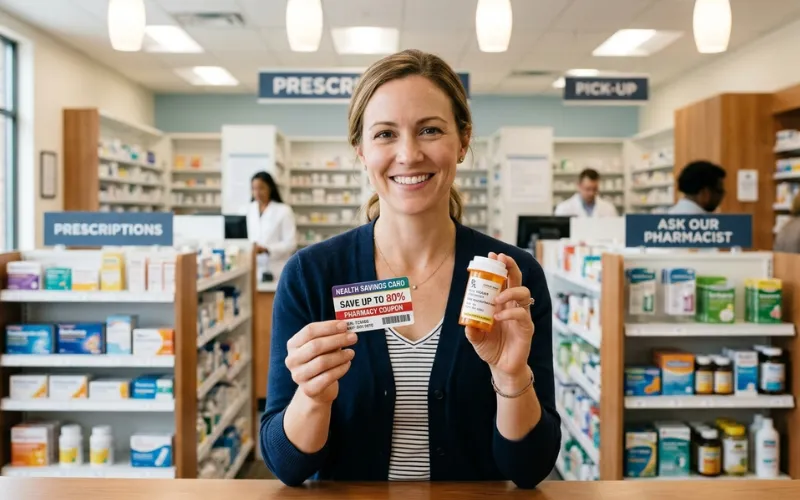
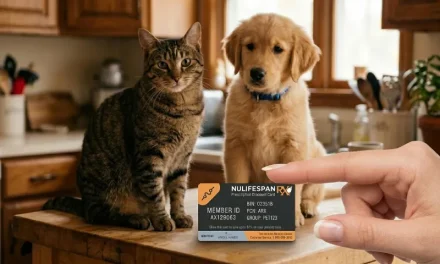
These three prices are calculated separately and rarely match. Insurance pricing depends on your plan’s negotiated rate and your current deductible or coinsurance phase. The pharmacy’s cash price is set independently. A discount card, such as NuLifeSpan Rx, is a separate negotiated rate that works instead of insurance, not alongside it, for that specific fill.
NuLifeSpan Rx is a free prescription discount program, not insurance and not a Medicare Part D plan. It cannot be combined with an insurance copay on the same transaction, and pricing varies by medication, strength, quantity, location, and pharmacy, so it won’t always be the lowest option. A purchase made at the discounted price does not count toward an insurance or Medicare deductible or out-of-pocket cap, since the pharmacy processes it as a cash sale rather than through a benefit claim. Ask the pharmacist to compare your insurance price, the cash price, and the discount price before you decide which to use.
Compare Your Prescription Price

When Manufacturer Assistance Makes Sense
If you have private insurance, manufacturer copay coupons can sometimes lower a brand-name drug’s cost significantly, though they carry annual caps and expiration dates. If you’re enrolled in Medicare or Medicaid, manufacturer copay coupons generally cannot be used due to federal anti-kickback restrictions; instead, look at manufacturer patient assistance programs (which have separate eligibility rules) or nonprofit assistance funds designed for federally insured patients.
Frequently Asked Questions
Why did my prescription price increase suddenly?
The most common causes are a new plan year resetting your deductible, a formulary tier change, an expired manufacturer coupon, a different generic manufacturer being dispensed, or a newly added prior authorization requirement.
Why is my medication more expensive at the start of the year?
Most insurance plans reset the deductible on January 1. Until you meet the new deductible, you typically pay the full negotiated price for covered drugs, which can feel like a sudden increase even though nothing about your coverage changed.
Can my insurance copay change during the year?
Yes. Insurers can update formularies and drug tiers during the plan year, which changes your copay or coinsurance for a specific medication even outside the annual renewal period.
Why is the cash price lower than my insurance price?
This can happen before you’ve met your deductible or when your coinsurance percentage on a covered drug is higher than the pharmacy’s cash price. Ask the pharmacist to compare both before you pay.
Can I use a discount card instead of insurance?
Yes. A discount card processes as a cash transaction and works in place of insurance for that fill, not alongside it. Ask the pharmacist which option, insurance, cash, or the discount card, is lowest before the claim is processed.
Does using a discount card count toward my deductible?
No. Because the pharmacy processes a discount card as a cash sale rather than an insurance claim, the purchase does not count toward your deductible or out-of-pocket maximum.
Can I ask for a generic medication?
Yes, if your prescriber writes the prescription to allow substitution and a generic version exists. Ask your prescriber or pharmacist directly rather than switching on your own.
What should I do when I cannot afford my prescription?
Talk to your pharmacist about cash and discount-card pricing, ask your prescriber about lower-cost alternatives, and check manufacturer or nonprofit assistance programs. Do not skip, split, or delay a dose without talking to your prescriber first.
Final Takeaway
A higher prescription price almost always has a specific, checkable cause, a deductible reset, a formulary change, a coupon expiration, or a quantity or manufacturer change. Before assuming you have no options, ask your pharmacist for the insurance, cash, and discount-card prices side by side, and call your insurer or prescriber if something looks like an error rather than a real coverage change.









Trackbacks/Pingbacks