
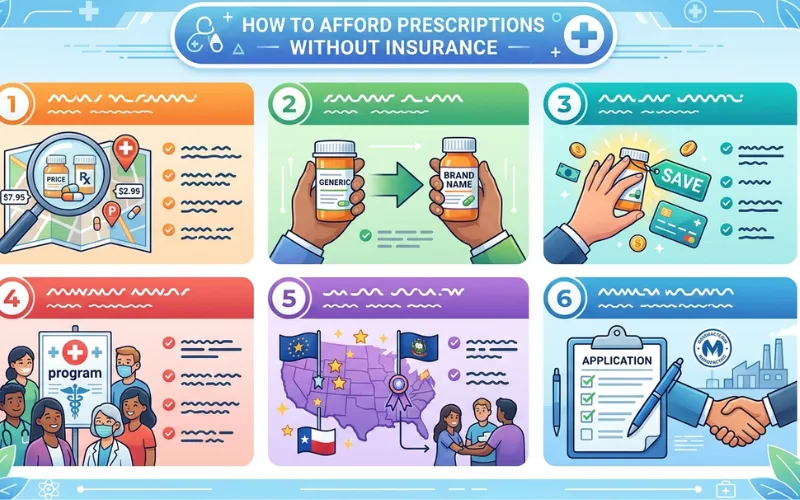
Without insurance, a person can cut prescription costs by always asking for FDA-approved generics and checking $4 pharmacy lists for common drugs. They can compare prices with reputable discount programs like NuLifeSpan Rx Manufacturer co-pay cards and patient assistance programs may provide brand medications at little or no cost. Telemedicine visits and mail-order 90-day refills can further lower expenses and improve adherence, with additional strategies available just ahead.
Key Takeaways
- Use manufacturer co-pay cards and patient assistance programs to lower brand-name drug costs or get them free if your income qualifies.
- Ask your prescriber and pharmacist about switching to FDA-approved generics or $4 generic programs for dramatically cheaper alternatives.
- Use the free NuLifeSpan Rx discount card, accepted at over 35,000 pharmacies with savings up to 80%, alongside other comparison tools like GoodRx and BuzzRx to find the lowest price before filling.
- Consider low-cost telemedicine visits to get necessary prescriptions or renewals without expensive in-person doctor appointments.
- Explore mail-order pharmacies for 90-day supplies, automatic refills, and potential savings compared with local retail pharmacies.
Fast Ways to Cut Prescription Costs
Although prescription prices can feel overwhelming without insurance, several established tools can lower costs quickly while preserving medication safety. Evidence supports using co-payment strategies such as manufacturer co-pay cards for brand-name medications when patients have private insurance and no therapeutic alternatives.
A common example is a manufacturer copay card for a GLP-1 medication such as Ozempic or Wegovy, offered directly by manufacturers like Novo Nordisk, which can bring the monthly cost down significantly for eligible patients with commercial coverage. For a closer look at how these cards work, see this breakdown of GLP-1 manufacturer savings cards.
Prescription costs can be daunting, but co-pay tools and manufacturer cards can sharply reduce brand-name prices
These cards, often downloaded directly from company websites, can drop monthly costs to under $30 but usually exclude Medicare and Medicaid and carry monthly or annual caps. Because 34% of uninsured adults reported skimping on medications to cut costs, these discount tools can be critical for preventing dangerous cost-related non-adherence.
For uninsured patients or those facing uncovered drugs, pharmacy coupons and direct-to-consumer options work well. Platforms like GoodRx, RxSaver, and SingleCare provide immediate price comparisons and discounts at local pharmacies, especially for costly generics.
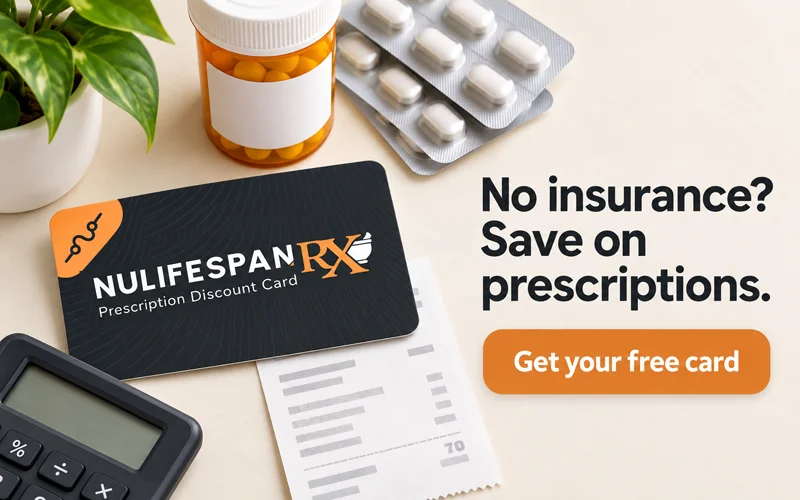
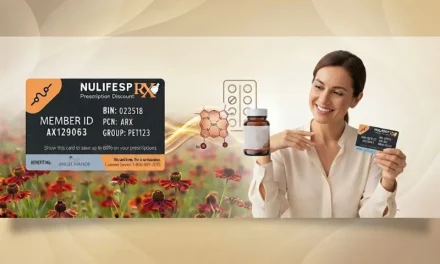
The NuLifeSpan Rx card is a strong complement to these tools: it’s completely free, backed by a nonprofit dedicated to improving healthcare access for children and families, requires no sign-up to use, and delivers instant savings of up to 80% at the pharmacy counter. Unlike some commercial discount platforms, NuLifeSpan Rx has no hidden fees and also rewards cardholders with $1.50 cashback on every eligible transaction.
How to Negotiate Prescription Prices at the Pharmacy
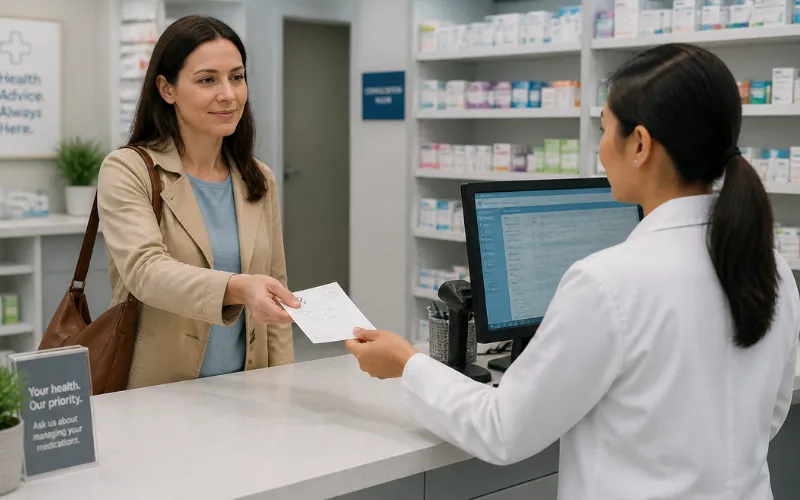
Retail prescription prices are not always fixed. Before paying the listed price, patients can ask the pharmacist for the cash price and compare it against their copay, since it’s sometimes lower. It also helps to ask whether the pharmacy will match a lower price found through GoodRx, BuzzRx, or the NuLifeSpan Rx pricing tool, and to ask the prescriber directly whether a less expensive generic or therapeutic alternative would work just as well. None of these conversations require special negotiating skill, just a habit of asking before paying.
Direct-to-consumer pharmacies, whether online or in person, sell prescriptions for cash at negotiated prices, sometimes below local retail. Mark Cuban’s Cost Plus Drug Company is a well-known example that publishes its markup openly for thousands of generic medications. Patient assistance programs and independent foundations, such as the PAN Foundation, further support low-income patients, offering free or low-cost medications when financial documentation confirms hardship.
Check Medicare, Medicaid, and State Assistance Programs First
Before paying cash for every prescription, it’s worth a few minutes to check whether a public program already covers part of the cost. This step gets skipped often, since someone who has been paying out of pocket for years may not realize their situation has changed or that they qualify for help they never applied for.
Medicare Part D enrollees with limited income and resources may qualify for Extra Help, also called the Part D Low-Income Subsidy, which can lower or eliminate monthly premiums, deductibles, and copays. Many states also run their own State Pharmaceutical Assistance Programs (SPAPs) that supplement Medicare Part D or help residents who fall outside other coverage, though rules and available drugs vary by state. Patients who assume they’re ineligible for Medicaid because of a past income check should ask again, since eligibility is based on current income and can change year to year.
Always Ask for Generic Medications
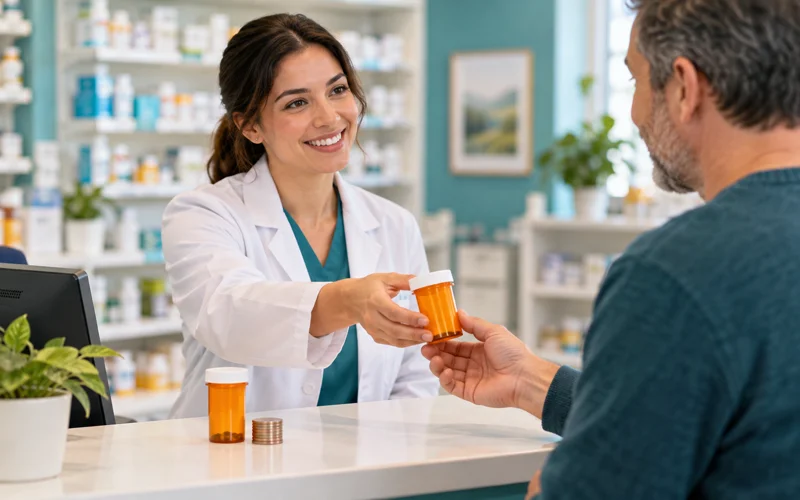
Beyond coupons and assistance programs, consistently choosing generic medications offers one of the safest, most reliable ways to cut prescription costs. Generics must meet the same FDA standards for quality, strength, and effectiveness as brand drugs, so patients typically receive equivalent clinical benefit at far lower prices. Because cost is the primary factor for most Americans when choosing medications, generics’ significantly lower prices align closely with how people actually make day-to-day prescription decisions.
Evidence for generic medication benefits is striking. Generics now account for 91% of U.S. prescriptions, driving hundreds of billions in annual savings. In 2023 alone, new generics saved $18.6 billion; single products like lisdexamfetamine and teriparatide cut individual monthly costs from over $1,000 to under $60. Using a discount card like NuLifeSpan Rx on top of a generic prescription can drive the price even lower, especially for drugs that fall outside a pharmacy’s $4 list but are still available in generic form.
Questions to Ask Your Doctor or Pharmacist
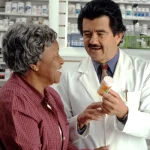
When talking with prescribers or pharmacists, patients should focus on:
- Asking if a safe, FDA-approved generic exists before accepting any brand prescription.
- Comparing brand alternatives with available generics, especially for long-term therapies.
- Confirming that any substitution is appropriate for their specific condition, allergies, and other medications.
Use GoodRx, BuzzRx, NuLifeSpan Rx, and Discount Programs
Some of the most practical tools for uninsured patients are prescription discount programs: free resources that can turn unaffordable medications into realistic options by applying negotiated rates at the pharmacy counter.
What Is GoodRx and How Does It Work?
GoodRx is a free price-comparison service that searches negotiated rates across thousands of U.S. pharmacies and hands the patient a coupon for whichever location is cheapest. There’s no membership fee and no eligibility check: a patient looks up a drug on the website or app, picks a nearby pharmacy, and shows the coupon (digital or printed) at checkout instead of running the prescription through insurance. It works the same way as similar free tools like BuzzRx and the NuLifeSpan Rx pricing tool, comparing cash prices rather than negotiating a new price on the spot.
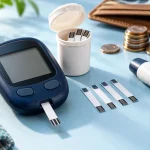
GoodRx benefits include access to cash prices that may be lower than insurance copays, average savings of 83% off retail, and documented savings of over $85 billion since 2011. Nearly 30 million Americans used it in 2024, with strong savings even for high-cost drugs like Type 2 diabetes medications.
Prescription discount programs can save patients an average of 65–83% off retail prices, with no insurance required
BuzzRx also offers free, no-signup coupons accepted nationwide for many brand and generic drugs, with potential savings up to 80% and an average out-of-pocket cost of $16.26 per prescription.
The NuLifeSpan Rx card rounds out this toolkit with a key differentiator: it is operated by a nonprofit organization, carries no commercial agenda, and includes a built-in cashback feature that deposits $1.50 per eligible transaction into cardholders’ accounts monthly. It covers the entire household, including pets, and can be downloaded to an Apple or Google Wallet, saved as a PDF, or printed.
For families managing multiple prescriptions, this can add up to meaningful annual cashback on top of the upfront savings. For a closer look at stacking these tools together, see this breakdown of ways to save up to 80% on prescription medications. With any discount program, patients should always verify the exact drug, dose, and quantity, then compare prices across nearby pharmacies and mail-order options. Pharmacists can help confirm that discounted prescriptions match the prescriber’s intent and remain clinically appropriate.
Join Pharmacy and $4 Generic Programs
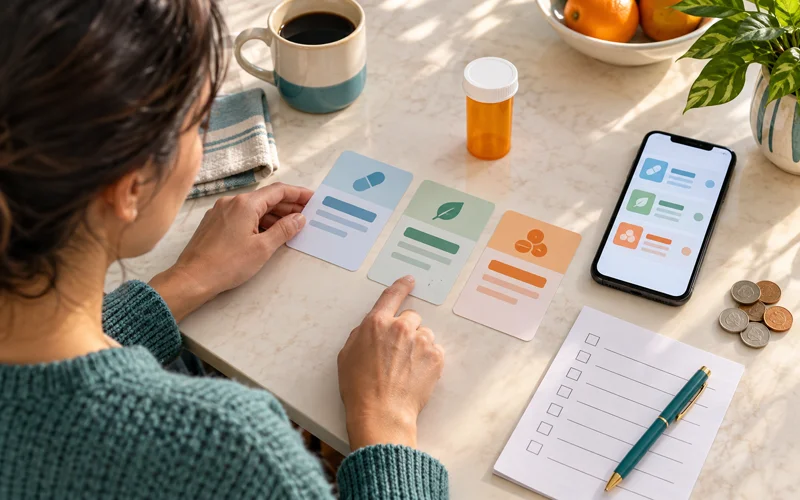
Pharmacy $4 generic lists and low-cost club programs can cut monthly medication bills by 70–90% for common drugs like metformin, lisinopril, and sertraline. By matching each prescription against Walmart, Publix, Kroger, Walgreens, and regional chains’ formularies, a patient can identify when it’s safer and cheaper to switch to a covered generic with prescriber approval. With many prescriptions already paid largely by taxpayers through Medicare and Medicaid, programs that reduce cash prices are especially important for people who fall through coverage gaps or lack insurance altogether.
It’s also essential that patients confirm strength, dosage form, and indication with the pharmacist before changing pharmacies or plans so cost savings never compromise medication safety or effectiveness. When a drug falls outside a pharmacy’s $4 list, whether due to strength, quantity, or formulary restrictions, presenting the NuLifeSpan Rx card is a practical fallback that works at over 35,000 pharmacies and doesn’t require any eligibility check or enrollment.
Maximize $4 Generic Lists
One of the most reliable ways to slash prescription costs without insurance is to use $4–$10 generic programs at major chains like Walmart, Walgreens, Kroger, and Publix. Patients should treat these lists as medication-specific tools, using generic comparisons and pricing strategies rather than choosing a pharmacy by habit. As government-negotiated drug prices begin lowering costs on many brand-name medications, these low-cost generic lists can help patients further reduce what they pay out of pocket.
- Compare formularies side by side. Check each chain’s online list for the exact generic name, strength, and quantity. Ask the prescriber if a therapeutically equivalent generic on a different chain’s list is clinically appropriate.
- Use a cross-pharmacy pricing tool. The NuLifeSpan Rx pricing tool searches real-time prices across 35,000+ pharmacies in one step, making it easy to verify whether the $4 list or the discount card price is lower for a specific drug and quantity before leaving the house.
- For drugs not on any $4 list, apply the NuLifeSpan Rx card at whichever participating pharmacy offers the lowest negotiated rate.
Use Prescription Savings Cards and Programs
Free prescription savings cards work at the pharmacy counter as a cash-price discount mechanism that often beats insurance copays, especially for generics and drugs not covered by a patient’s plan. As ACA subsidies shrink in 2026, these cards can help patients offset the impact of higher premiums and deductibles on their medication costs. Patients should confirm participating pharmacies and verify that the pharmacy runs the claim using the card rather than cash pricing.
The NuLifeSpan Rx card is an especially patient-friendly option among free savings programs. There are no eligibility requirements, no membership tiers, and no income limits, so anyone can download and use it immediately. The card is accepted at Walmart, Walgreens, CVS, Rite Aid, Kroger, and thousands of independent pharmacies. Because it’s issued by a nonprofit, its goal is straightforward: deliver the largest possible discount at the point of sale, with cashback rewards on top. To see how the savings play out at CVS specifically, that comparison walks through real pricing examples.
Pharmacy savings programs at major chains often provide additional discounts on generics and chronic-disease medications. Patients should review each program’s eligibility criteria, including age, income, or insurance status, and confirm that using a card or program won’t interfere with future insurance claims or manufacturer assistance. Clinicians and pharmacists can help patients compare options to maintain medication adherence safely and affordably.
Use Online Doctor Visits for Cheaper Prescriptions
While many people assume they must see a doctor in person to get needed medications, online visits (telemedicine) often provide a faster, safer, and far cheaper route to legitimate prescriptions.
Telemedicine benefits include dramatically lower visit costs: virtual consultations average about $96 per episode compared with $509 in-person, with respiratory complaints treated roughly $800 cheaper on average.
Telemedicine visits average $96 versus $509 in-person, with respiratory issues costing about $800 less per episode
Self-pay primary care visits typically run $60–$90, and leading platforms such as Teladoc, MDLIVE, Amwell, Doctor On Demand, and PlushCare all provide prescription-capable visits in that range. Once a prescription is issued, patients can immediately use the NuLifeSpan Rx pricing tool to find the lowest-cost pharmacy nearby before filling, maximizing savings on both the visit and the medication in one workflow.
Fewer follow-ups (about three vs. four in-person) mean lower cumulative costs for ongoing medications and renewals. Video visits of 10–20 minutes allow clinicians to verify symptoms, review current drugs, and issue electronic prescriptions securely. Many platforms complete prescription renewals in about 10 minutes, reducing gaps in treatment.
Use Patient Assistance Programs for Free Meds
Even without insurance, patients don’t always have to pay out of pocket for every prescription when they qualify for Patient Assistance Programs (PAPs) run by drug manufacturers and partnered nonprofits. These programs can supply brand-name medications at no cost, helping patients avoid skipping doses because of price.
Studies show over 75% of PAP users would otherwise forgo prescribed drugs, so enrollment directly supports adherence and safety. Patient eligibility usually depends on income, family size, cost of living, and insurance status, with uninsured and underinsured patients prioritized. Some Medicare or Medicaid enrollees may need third-party nonprofits because manufacturers can’t offer direct inducements.
Helpful application tips include: asking clinic pharmacists or social workers which PAPs match specific medications, confirming income limits before applying, and completing forms with accurate medication names, strengths, and prescriber details. For medications that don’t qualify for a PAP, or while an application is pending, the NuLifeSpan Rx card provides an immediate, zero-cost bridge to discounted pricing at the pharmacy counter with no paperwork required.
Find 340B Pharmacies and Free Community Clinics
Beyond PAPs, a few federal and nonprofit programs exist specifically to lower medication costs for people without insurance, and they’re worth knowing by name rather than stumbling into by accident.
Section 340B of the Public Health Service Act requires certain drug manufacturers to sell outpatient medications at a reduced price to hospitals and clinics that serve a high share of low-income patients. Some pharmacy counters inside participating CVS, Rite Aid, Walmart, and Walgreens locations, along with many hospital-affiliated pharmacies, pass part of that discount on to eligible patients.
Federally Qualified Health Centers (FQHCs) and other community health centers also offer medical visits and, in some cases, on-site or discounted pharmacy access on a sliding scale based on income, regardless of insurance status. HRSA’s Find a Health Center tool lists these centers by ZIP code, making it a practical first stop for patients looking for community resources near them.
For patients who need a fully free clinic rather than a sliding-scale one, the National Association of Free and Charitable Clinics maintains a clinic finder covering roughly 1,400 free and charitable clinics nationwide. Calling 211 or checking with the county health department are two more reliable, low-effort ways to find local options, alongside nonprofit directories like NeedyMeds.
Save on Prescriptions With Mail-Order and 90-Day Refills
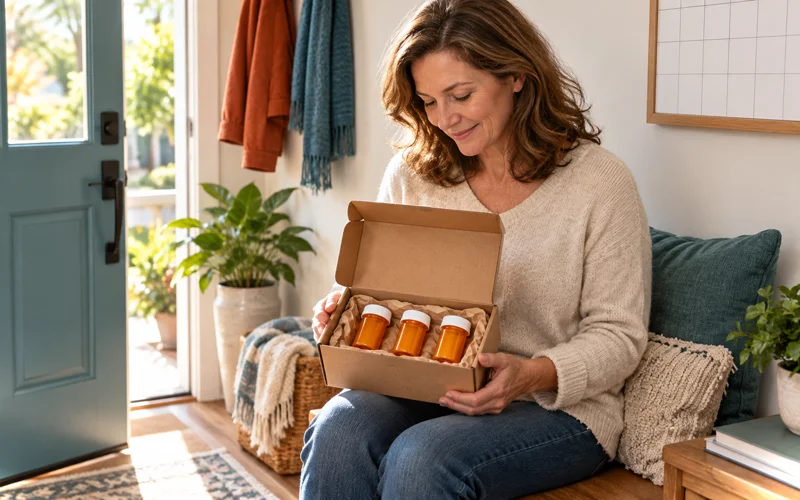
Patient assistance programs can eliminate costs for some brand-name prescriptions, but many patients still pay cash for ongoing medications, especially generics. For these patients, mail-order pharmacies and 90-day refills offer substantial savings and safety advantages, particularly for chronic conditions like hypertension, diabetes, asthma, and high cholesterol.
Evidence shows mail order can cut overall drug costs by about 1.2%, with brand drugs gaining 4–7 percentage-point better discounts than retail. A 90-day supply might cost $50 by mail versus $75 at a local pharmacy, and patients often save $5–$40 per fill depending on tier. Automatic 90-day home delivery supports consistent use of maintenance medications, reducing acute events and mortality while lowering total healthcare spending.
Mail-order pharmacies meet high quality standards, show higher dispensing accuracy, and offer free shipping that helps patients in rural or transportation-limited settings. For in-person fills, comparing 30- vs. 90-day pricing through the NuLifeSpan Rx pricing tool before visiting a pharmacy ensures patients are choosing the most cost-effective supply interval at the most affordable nearby location.
Conclusion
By combining generics, reputable discount programs, pharmacy savings cards, and 90-day mail-order refills, patients can cut prescription costs without sacrificing safety. Evidence shows generics work as well as brand-name drugs, and many manufacturers and nonprofits offer patient assistance for those who qualify. Online doctor visits can also reduce visit fees and streamline refills. With a proactive, informed approach, people can stay adherent to essential medications and protect both their health and their budget.
One of the simplest actions any uninsured patient can take today is downloading the free NuLifeSpan Rx discount card. Backed by a nonprofit committed to improving healthcare access for children and families, it delivers savings of up to 80% at over 35,000 pharmacies, with no paperwork, no eligibility check, and $1.50 cashback on every eligible fill for the whole family, including pets.
Frequently Asked Questions
How Do I Safely Buy Prescription Medications From Legitimate Online Pharmacies?
They guarantee online pharmacy safety by confirming state licenses, checking FDA/NABP listings, demanding valid prescriptions, and verifying U.S. contact details. They use prescription verification tips: avoid no-prescription sales, extreme discounts, missing pharmacists, and unclear privacy protections to prevent counterfeit medications.
What Should I Do if I Can’t Afford Medication Even After Discounts?
They should tell their clinician immediately, review cheaper medication alternatives, and ask about patient assistance programs, 340B or nonprofit pharmacies, and extended supplies. They shouldn’t skip doses; they must discuss safe dose changes or deprescribing instead. The NuLifeSpan Rx card is a free, no-barrier first step: it requires no application and delivers instant savings, while longer-term options like PAPs are being arranged.
How Can I Talk to My Doctor About Cost Without Affecting My Care?
They can start cost conversations early, say they’re worried about prices, and ask about safe medication alternatives. Using “we” language, they invite shared decisions so the clinician adjusts logistics, not quality, while protecting effectiveness and safety.
Are There Legal Risks to Importing Cheaper Medications From Other Countries?
They face legal risks because import regulations generally prohibit non-FDA-approved drugs, making cross-border legality limited and uncertain. They could lose shipments, face customs letters, and receive unsafe or counterfeit medications without proper medical oversight.
Where Can I Get Emergency Prescription Help if I Run Out of Medication?
Most states allow a pharmacist to dispense a short emergency supply, often around 72 hours, when a patient is out of refills and can’t reach the prescriber right away, so asking the pharmacist directly is the fastest first step. A telemedicine visit can also produce a same-day renewal when the original prescriber is unavailable. For the medication itself, presenting the NuLifeSpan Rx card at any of its 35,000+ participating pharmacies gets an instant discount with no eligibility check or paperwork, which matters most when time is tight.
Is NuLifeSpan Rx Really Free, and Who Qualifies?
Yes, the NuLifeSpan Rx discount card is completely free with no hidden charges, membership fees, or eligibility requirements. Anyone can use it: uninsured patients, underinsured individuals, seniors who have reached their Medicare coverage gap, and even pet owners filling veterinary prescriptions. Simply download the card to your phone wallet or print it out and present it at any of the 35,000+ participating pharmacies to receive an instant discount of up to 80%.
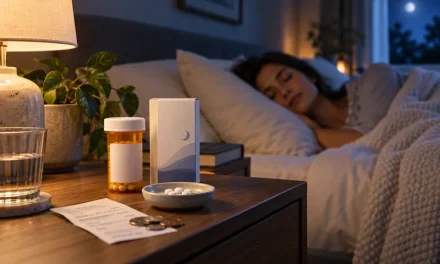
How Do I Store Prescription Medications Safely to Avoid Waste and Spoilage?
The patient stores prescriptions in original containers, follows labeled storage conditions, avoids bathrooms, heat, sunlight, cars, and humidity, locks medications away from children, monitors refrigeration ranges, and checks medication expiration dates routinely to prevent waste and spoilage.




Trackbacks/Pingbacks