
No single medication is right for every person with type 2 diabetes. The choice depends on how much glucose control is needed, other health conditions, side effects, whether a medicine is a pill or an injection, affordability, insurance coverage, and the recommendation of a clinician.
This guide compares the major medication classes so you can understand the options before you talk with your care team. It is a class-level overview, not treatment advice. It does not tell you to start, stop, switch, or change any medication. For medicine-specific pricing, it points to more detailed NuLifeSpan Rx cost guides.
Type 2 Diabetes Medication Classes at a Glance
The table summarizes each class. Examples are illustrative and not a complete list. Costs are described in general terms here, and the price table in the next section lists typical 2026 prices by medicine name.
| Medication class | Common examples | How it works | Administration | Common considerations | Cost considerations |
| Biguanides | Metformin | Helps the liver make less glucose and helps the body use insulin better | Oral | Stomach upset is common; low risk of low blood glucose on its own | Generic, usually among the lowest-cost options |
| Sulfonylureas | Glipizide, glimepiride, glyburide | Prompts the pancreas to release more insulin | Oral | Can cause low blood glucose and weight gain | Generic and typically low cost |
| SGLT2 inhibitors | Empagliflozin, dapagliflozin, canagliflozin | Helps the kidneys remove glucose through urine | Oral | Genital yeast infections, urinary infections, dehydration | Often brand-name; generic availability varies by product |
| DPP-4 inhibitors | Sitagliptin, linagliptin, saxagliptin, alogliptin | Helps the body keep more of its own incretin hormones active after meals | Oral | Generally weight neutral; side effects differ by product | Cash prices are often higher than older generics; availability varies |
| GLP-1 receptor agonists | Semaglutide, dulaglutide, liraglutide | Mimics a gut hormone that raises insulin after meals and slows digestion | Mostly injection; one oral semaglutide | Nausea and other digestive effects; boxed warnings on many products | Brand-name; cash prices can be high; manufacturer programs may apply |
| Dual GIP/GLP-1 agonist | Tirzepatide | Acts on two gut hormone pathways | Weekly injection | Digestive effects; boxed warning | Brand-name; high cash price |
| Thiazolidinediones | Pioglitazone | Makes tissues respond better to insulin | Oral | Fluid retention, weight gain, and heart failure cautions | Generic pioglitazone is available and typically low cost |
| Insulin | Long-acting, rapid-acting, premixed | Replaces or supplements the body’s insulin | Injection, pump, or inhaled | Low blood glucose risk; dosing requires guidance | Varies by type; see the insulin cost guide |
Type 2 Diabetes Medicine Names With Prices (2026)
The table below lists common type 2 diabetes medicines by generic and brand name, with typical 2026 cash prices for a 30-day supply without insurance. Older generics such as metformin, glipizide, and pioglitazone usually cost a few dollars a month, while brand-name SGLT2 inhibitors, DPP-4 inhibitors, and GLP-1 injections often run several hundred to over a thousand dollars. The last column shows the Medicare negotiated price for the drugs included in the first round of Medicare drug price negotiation, which took effect on January 1, 2026.
| Medicine (brand name) | Class | Generic available? | Typical cash price per month (no insurance) | Medicare negotiated price (2026) |
| Metformin (Glucophage) | Biguanide | Yes | About $4 to $15 | Not applicable |
| Glipizide (Glucotrol) | Sulfonylurea | Yes | About $4 to $15 | Not applicable |
| Glyburide (DiaBeta) | Sulfonylurea | Yes | About $4 to $15 | Not applicable |
| Glimepiride (Amaryl) | Sulfonylurea | Yes | Usually under $20 | Not applicable |
| Pioglitazone (Actos) | Thiazolidinedione | Yes | Usually under $25 | Not applicable |
| Sitagliptin (Januvia) | DPP-4 inhibitor | Yes, generics launching from 2026 | Generic about $4 to $60; brand list price about $527 | $113 |
| Linagliptin (Tradjenta) | DPP-4 inhibitor | No | Brand only; often over $500 | Negotiated price starts 2027 |
| Dapagliflozin (Farxiga) | SGLT2 inhibitor | Yes, since April 2026 | Generic about $330 to $617; brand about $590 to $778 | $178.50 |
| Empagliflozin (Jardiance) | SGLT2 inhibitor | No | About $550 to $831 | $197 |
| Canagliflozin (Invokana) | SGLT2 inhibitor | No | About $700 to $900 | Not applicable |
| Semaglutide (Ozempic) | GLP-1 receptor agonist | No | List price about $1,028; NovoCare self-pay $349 to $499 | Negotiated price starts 2027 |
| Dulaglutide (Trulicity) | GLP-1 receptor agonist | No | List price about $1,000 | Not applicable |
| Tirzepatide (Mounjaro) | Dual GIP/GLP-1 agonist | No | List price about $1,112 per 28 days; LillyDirect self-pay about $499 | Not applicable |
| Insulin (Lantus, NovoLog, others) | Insulin | Some unbranded and biosimilar versions | Varies by type; many manufacturer programs cap cost at $35 | NovoLog/Fiasp $119; Part D copay capped at $35 |
These are estimates from published 2026 pricing and manufacturer program pages, not quotes. Your price depends on the pharmacy, dose, quantity, and whether insurance, a manufacturer program, or a discount card applies. The Medicare negotiated price is what Part D plans pay for the drug, not your copay, and your share still depends on your plan’s tier and deductible.
Lowest-Cost Type 2 Diabetes Medications
The most affordable diabetes medicines are long-established generics. Metformin, glipizide, glyburide, glimepiride, and pioglitazone are all available as low-cost generic tablets, and several are sold on $4 generic lists at large retail chains. Because these drugs have been used for decades, their side effects and effects on A1C are well documented, which is one reason metformin remains the usual starting point. If you take one of these long term, filling a 90-day supply or comparing discount card prices against your copay can bring the yearly cost down further. Diabetes supplies add to the total, so it also helps to review blood glucose test strip and meter costs.
Generic Options in Newer Drug Classes
Two newer classes now have lower-cost generic options. The FDA approved the first generic dapagliflozin, the generic version of Farxiga, in April 2026, making it the first SGLT2 inhibitor with a generic option. Generic sitagliptin, the active ingredient in Januvia, began reaching U.S. pharmacies in 2026, and a generic version of Janumet XR (sitagliptin with metformin) launched in July 2026. Generic prices in these classes are still higher than older generics and vary widely by pharmacy, so it is worth comparing before you fill. Jardiance, Invokana, Tradjenta, and all GLP-1 injections remain brand-only.
Januvia vs. Jardiance vs. Tradjenta: How the Costs Compare
Januvia and Tradjenta are both DPP-4 inhibitors, while Jardiance is an SGLT2 inhibitor, so they are not interchangeable and your prescriber chooses between them based on your health, not just price. On cost alone, sitagliptin is now usually the cheapest of the three because generics are available, while Tradjenta and Jardiance remain brand-only with cash prices typically above $500 a month. For Medicare Part D enrollees, Januvia ($113) and Jardiance ($197) have had negotiated prices since January 2026, and Tradjenta is among the drugs with a negotiated price taking effect in 2027, along with Ozempic and Janumet.
How Clinicians Approach Choosing Among Classes
According to the National Institute of Diabetes and Digestive and Kidney Diseases (NIDDK), most people with type 2 diabetes start with metformin pills, and combining two or three kinds of medicine can lower blood glucose more than one medicine alone. NIDDK also notes that other factors, including other health conditions, medication costs, insurance coverage and copays, access to care, and lifestyle, may affect which medicine a person takes.
Situations that clinicians may weigh include heart or kidney disease, weight, risk of low blood glucose, kidney function, how often a person can take medicine, and cost. Those decisions are individual, which is why this page describes classes and does not rank them.
Metformin (Biguanides)
Metformin is the only biguanide widely used for type 2 diabetes in the United States. It is taken by mouth as immediate-release or extended-release tablets, and it also comes as a liquid. NIDDK says it helps the liver make less glucose and may help with a small amount of weight loss. Common considerations include digestive side effects such as nausea or diarrhea.
The MedlinePlus metformin page explains dosing forms, precautions, and warnings in plain language. Generic metformin is widely available and is generally one of the lower-cost diabetes medicines, though the price you pay still depends on the pharmacy, quantity, and any insurance or discount.
Sulfonylureas
Sulfonylureas such as glipizide, glimepiride, and glyburide are older oral medicines that increase insulin release from the pancreas. Because they raise insulin whether or not you have eaten, low blood glucose is a known risk. NIDDK’s healthy living guidance specifically notes that sulfonylureas or insulin may cause blood glucose to drop too low during exercise or when a meal is skipped or delayed.
They are available as generics and are usually inexpensive, which is one reason they remain common. Clinicians balance that against the risk of hypoglycemia and weight gain.
SGLT2 Inhibitors
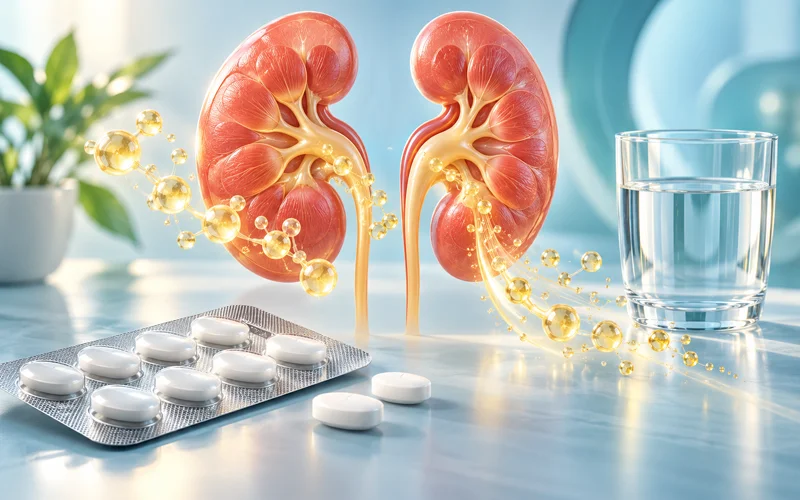
SGLT2 inhibitors such as empagliflozin, dapagliflozin, and canagliflozin are oral medicines that lower blood glucose by helping the kidneys remove glucose in urine. Common considerations include genital yeast infections, urinary tract infections, and dehydration.
Clinical guidelines also consider these medicines in people who have heart or kidney conditions, but that is a decision for a clinician and not a general rule. Many SGLT2 inhibitors are brand-name products, and cash prices can be considerably higher than for older generics. Whether a generic version is available depends on the specific product, and that changes over time, so ask your pharmacist.
For more on when the generic is the right call, see generic vs brand-name drugs.
DPP-4 Inhibitors
DPP-4 inhibitors such as sitagliptin, linagliptin, saxagliptin, and alogliptin are oral medicines that help the body keep its own incretin hormones active after meals. They are generally weight neutral and, taken on their own, have a lower risk of low blood glucose than sulfonylureas.
If you are reading about the difference between DPP-4 inhibitors and SGLT2 inhibitors, the main distinction is how each works: DPP-4 inhibitors act on gut hormones, while SGLT2 inhibitors act on the kidneys. The right choice, if either, depends on individual health factors.
GLP-1 Receptor Agonists and Dual GIP/GLP-1 Medicines
GLP-1 receptor agonists mimic a gut hormone that raises insulin release after meals, slows digestion, and may reduce appetite. NIDDK says these injected medicines may make you feel less hungry and help you lose some weight, and that GLP-1 medicines are not substitutes for insulin.
Most are injections, and one form of semaglutide is taken by mouth. Tirzepatide, which acts on both GIP and GLP-1 pathways, is a weekly injection. Digestive effects such as nausea are common, and many of these products carry an FDA boxed warning about thyroid C-cell tumors seen in animal studies. Your prescriber can explain whether that applies to you.
This article deliberately stays at the class level. For brand-specific pricing, see our guides to Ozempic cost without insurance and Wegovy vs. Zepbound cost. If you use a manufacturer savings card, how manufacturer savings cards work for GLP-1 drugs explains the rules.
Thiazolidinediones
Thiazolidinediones, also called TZDs or glitazones, make the body’s tissues respond better to insulin. Pioglitazone is the main example in use today. Considerations include fluid retention, weight gain, and cautions in people with heart failure. Generic pioglitazone is available and is typically low cost.
Insulin in Type 2 Diabetes
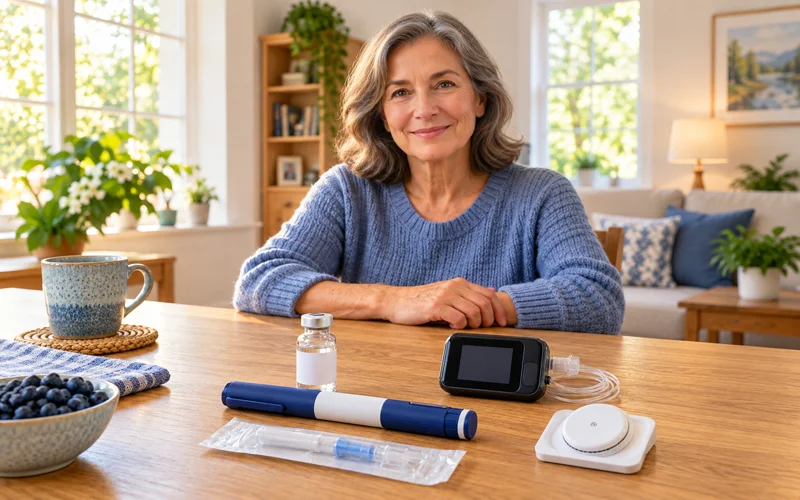
Many people with type 2 diabetes never need insulin, but NIDDK says over time some people need more than one medicine, and that insulin may be needed at special times such as pregnancy or a hospital stay. Insulin can be taken by needle and syringe, pen, pump, or inhaler.
Dosing and timing should always be set by a clinician. Insulin is a separate cost topic, covered in our guide to insulin cost without insurance. If you use a pump or continuous glucose monitor, the equipment has its own costs, explained in insulin pump supplies and CGM costs.
Oral vs. Injectable Type 2 Diabetes Medications
Many type 2 diabetes medicines are taken by mouth, including metformin, sulfonylureas, SGLT2 inhibitors, DPP-4 inhibitors, and thiazolidinediones. NIDDK points out that most people start with metformin pills and that combining two or three kinds of medicine can work better than one. Injectable options include most GLP-1 medicines, tirzepatide, and insulin.
Route of administration affects daily life and cost. Injectables may need pen supplies, storage, and training, while pills are simpler for many people. Some injectables are given weekly rather than daily. Whether a pill or an injection is appropriate is a decision for you and your clinician.
How Cost Differs Between Type 2 Diabetes Medication Classes
Cost is one reason a medicine is chosen or changed, and it varies widely across classes. The price table above shows typical 2026 ranges by medicine. These are the general reasons prices differ:
- Older generics usually cost less. Metformin, several sulfonylureas, and pioglitazone have long been available as generics.
- Newer brand-name drugs can have much higher cash prices. This is common for SGLT2 inhibitors, GLP-1 medicines, and tirzepatide.
- Insurance formularies shape what you pay. A plan may cover one product in a class at a lower tier than another, and some require prior authorization. See what prior authorization means for your prescription.
- Pharmacy prices differ. The same prescription can cost different amounts at different pharmacies. Our guide to why drug prices vary between pharmacies explains why.
- Quantity matters. Some fills cost less per dose in larger quantities, as covered in 30-day vs. 90-day supply savings.
- Manufacturer assistance may apply to certain products. Eligibility rules vary, and these programs generally cannot be combined with other discounts on the same fill.
For Medicare enrollees, the CMS fact sheet on diabetes supplies explains that Medicare drug plans cover injectable insulin and other anti-diabetic drugs on the plan’s formulary, with a $35 monthly coinsurance limit for insulin. NIDDK also lists financial help resources for diabetes care.
Insurance and Medicare Coverage of Diabetes Medicines
Coverage depends on the plan and the specific product. The CMS fact sheet on diabetes supplies explains that Medicare drug plans cover anti-diabetic drugs, including sulfonylureas, biguanides such as metformin, and thiazolidinediones, when they are on the plan’s formulary. Medicare Advantage plans can have different network and cost-sharing rules.
Commercial plans use formularies with tiers, and newer brand-name products may need prior authorization or step therapy, meaning a plan may ask you to try a different medicine first. If a medicine is not covered, ask your prescriber whether a covered alternative is appropriate, and check whether a manufacturer program or discount price is available. Always confirm coverage with your plan before you fill.
Where NuLifeSpan Rx Fits In
NuLifeSpan Rx is a free prescription discount card that people can use to compare prices at participating pharmacies for eligible prescriptions. It is not health insurance, savings are not guaranteed, and discounts vary by drug, pharmacy, and quantity. It generally cannot be combined with insurance or a manufacturer copay program on the same fill, so you compare the options and use whichever gives the lowest price for that purchase.
For many long-term generics, such as metformin or glipizide, it can be worth checking a discount price against your copay. Use the NuLifeSpan Rx pricing tool to compare, and see how free prescription discount cards work for the basics. If you manage several medicines, managing multiple prescription costs has practical tips.
Questions to Ask Your Care Team
- Why are you recommending this class rather than another?
- Is a generic available, and is it appropriate for me?
- What are the most common side effects, and what should I watch for?
- Does my plan cover this medicine, and does it need prior authorization?
- Are there lower-cost options within the same class?
- How often will I need lab work or monitoring?
Medical and financial disclaimer: This article is for general educational purposes and is not medical advice. It does not recommend that you start, stop, switch, or change any medication or dose. Medication decisions should be made with a qualified healthcare professional. Drug availability, prices, and coverage rules change. NuLifeSpan Rx is a free prescription discount program. It is not insurance and is not a Medicare prescription drug plan.
Frequently Asked Questions
What are the main types of medication for type 2 diabetes?
The main classes are biguanides (metformin), sulfonylureas, SGLT2 inhibitors, DPP-4 inhibitors, GLP-1 receptor agonists, dual GIP/GLP-1 agonists, thiazolidinediones, and insulin. NIDDK notes that many people need more than one medicine over time.
What is usually considered before choosing a type 2 diabetes medication?
Clinicians consider how much glucose control is needed, other health conditions, side effects, whether a pill or injection suits the person, cost, and insurance coverage. NIDDK lists other conditions, medication costs, insurance coverage and copays, access to care, and lifestyle as factors.
What are common alternatives to metformin?
Other classes include sulfonylureas, SGLT2 inhibitors, DPP-4 inhibitors, GLP-1 receptor agonists, and thiazolidinediones. Whether one is appropriate is a decision for a clinician, and some people take metformin together with another medicine.
What is the difference between SGLT2 and GLP-1 medications?
SGLT2 inhibitors are oral medicines that help the kidneys remove glucose in urine. GLP-1 receptor agonists mimic a gut hormone, slow digestion, and are mostly injected. They have different side effect profiles and costs.
Are generic type 2 diabetes medications available?
Yes for several older medicines, including metformin, several sulfonylureas, and pioglitazone. Generic availability for newer classes varies by product and changes over time, so ask your pharmacist.
Why do diabetes medication costs vary so much?
Costs differ between older generics and newer brand-name drugs, between insurance formularies, between pharmacies, and by quantity. Manufacturer programs and discount cards can also change the final price for eligible prescriptions.
What is the cheapest medication for type 2 diabetes?
Older generics are the lowest-cost options. Metformin, glipizide, and glyburide commonly cost about $4 to $15 a month without insurance, and glimepiride and pioglitazone are also usually low cost. Which medicine is appropriate is a decision for your clinician.
How much do type 2 diabetes medications cost without insurance?
It depends on the class. Older generics often cost under $20 a month, brand-name SGLT2 and DPP-4 inhibitors such as Jardiance and Tradjenta often cost over $500, and GLP-1 injections such as Ozempic and Mounjaro have list prices of around $1,000 or more per month before manufacturer programs.
Is there a generic for Farxiga, Jardiance, or Januvia?
Yes for Farxiga and Januvia. The FDA approved the first generic dapagliflozin (Farxiga) in April 2026, and generic sitagliptin (Januvia) began reaching U.S. pharmacies in 2026. Jardiance (empagliflozin) does not have a generic in the U.S. yet.










Trackbacks/Pingbacks