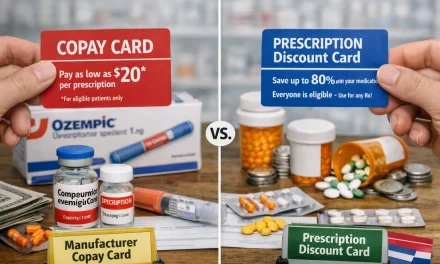
That’s usually the question underneath the question. You’ve been dealing with back pain long enough that it’s not a one-time thing anymore, and now you’re trying to figure out what a realistic monthly medication bill looks like without insurance backing you up. It’s a reasonable thing to want to plan for, and the honest answer is: it depends heavily on what’s causing your pain and what your doctor decides to try.
This article walks through the categories of medication people with chronic back pain commonly encounter, roughly what drives cost within each category, and how to think about planning for ongoing expenses rather than being surprised by them month after month.

Why Chronic Back Pain Medication Costs Vary So Widely
Chronic back pain isn’t one condition. It might stem from a herniated disc, spinal stenosis, degenerative disc disease, muscle strain that never fully resolved, or nerve involvement like sciatica. Because the underlying cause differs so much from person to person, so does the treatment plan, and that has a direct effect on cost.
Someone managing occasional flare-ups with an over-the-counter anti-inflammatory pays very differently than someone on a long-term nerve pain medication plus a muscle relaxant plus physical therapy. Neither situation is “typical.” Your own cost picture depends on your diagnosis, your response to treatment, and how your specific doctor approaches your case.
For pricing on a common steroid, see prednisone cost without insurance.
Starting Point: OTC vs Prescription Costs
Many people start with over-the-counter options like ibuprofen, naproxen, or acetaminophen, which are inexpensive and don’t require a prescription. When those stop being enough, or when a doctor determines a stronger or more targeted medication is needed, prescription options enter the picture, and that’s where cost planning becomes more important.
Medication Categories You May Encounter

Anti-Inflammatory Medications
Prescription-strength NSAIDs, or higher-dose versions of drugs available over the counter, are often a first step for inflammation-related back pain. Generic versions have been available for years, and pricing tends to be on the lower end of the prescription spectrum, though it still varies by pharmacy.
Muscle Relaxants
If muscle spasm is contributing to your pain, a doctor may add a short course of a muscle relaxant such as cyclobenzaprine or methocarbamol. These are typically prescribed for limited stretches of time rather than continuous long-term use, which affects how the cost adds up over a year versus a single month.
Nerve Pain Medications
When back pain involves nerve compression, such as sciatica, doctors sometimes turn to medications originally developed for nerve pain or seizures, like gabapentin. These are often taken longer term than muscle relaxants, which makes the monthly cost more relevant than the per-pill price.
Other Medications Depending on the Cause
Depending on what’s driving your pain, a doctor might also consider topical treatments, low-dose antidepressants used for chronic pain management, or, in specific circumstances, other options entirely. This is highly individual, and no article can tell you which category applies to your situation. That determination belongs to your prescriber.
Short-Term vs Ongoing Medication Expenses
One of the biggest planning mistakes is assuming a first prescription reflects your long-term cost. A two-week course of a muscle relaxant for an acute flare is a very different expense than a nerve pain medication you might take for months. When you’re mapping out a budget, it helps to ask your provider directly: “Is this something I’ll likely need short-term, or should I plan for this as an ongoing cost?”
A Hypothetical Monthly Cost-Planning Example
To be clear, this is a hypothetical scenario for illustration only, not a quote or guarantee of actual pricing. Costs vary by pharmacy, location, dosage, and quantity, and only a pharmacy price check reflects real numbers.
Imagine someone managing chronic back pain with a generic anti-inflammatory taken daily, a short course of a muscle relaxant during a flare-up, and an occasional refill of a nerve pain medication. Their monthly out-of-pocket total could look meaningfully different depending on:
- Whether they fill a 30-day or 90-day supply
- Which pharmacy they use, since cash prices for the same generic can differ
- Whether any of the three medications has a lower-cost generic alternative
- Whether they use a prescription discount tool before filling
The point isn’t the specific number. It’s that the same diagnosis can produce very different monthly totals depending on choices that are within your control.
How Dosage and Quantity Change Your Monthly Number
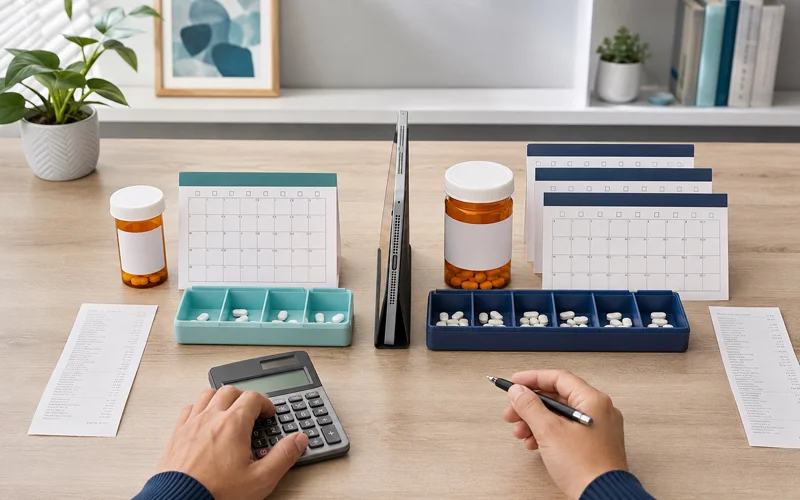
Doubling a dose doesn’t necessarily double the price, and a 90-day supply doesn’t always cost three times what a 30-day supply costs. Some pharmacies build in flat dispensing fees that make larger quantities more efficient per pill, while others don’t. This is worth asking about directly rather than assuming.
Generic vs Brand-Name Pricing
Most of the medications used for chronic back pain, including anti-inflammatories, common muscle relaxants, and gabapentin, have long-available generic versions. Generics must meet the same FDA standards for safety and effectiveness as brand-name drugs. If your prescription is written as brand-name only, it’s worth asking your doctor whether a generic substitution is appropriate, since the price gap can be significant.
Pharmacy-to-Pharmacy Price Differences
This is the part people find most surprising: the exact same generic medication, same dose, same quantity, can cost noticeably different amounts at two pharmacies just a few miles apart. There’s no regulation requiring pharmacies to price consistently with each other, which means the only way to know you’re getting a fair price is to check.
Costs Beyond the Medication Itself
Chronic back pain management often involves more than a prescription. Physical therapy, imaging like MRIs, and follow-up appointments with a specialist all factor into the real cost of managing the condition. Medication is usually one line item in a larger picture, which is worth keeping in mind when budgeting.
Practical Ways to Control Costs Without Insurance
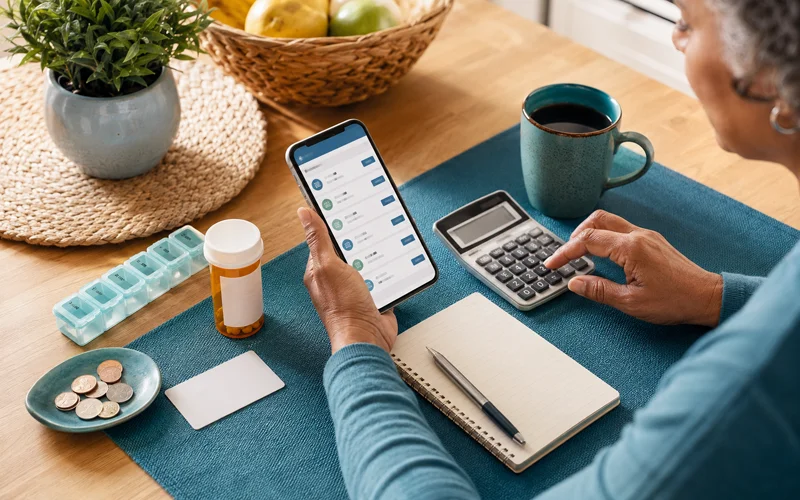
- Check pharmacy pricing before you fill, rather than after. Prices can differ enough to matter.
- Ask about therapeutic alternatives. Sometimes a slightly different medication in the same category costs meaningfully less with a similar effect.
- Request the smallest effective trial quantity first if you’re starting something new, rather than committing to a 90-day supply before you know how you respond.
- Ask your doctor’s office if they have samples for new prescriptions, which some offices keep on hand.
- Use a discount tool at the pharmacy counter. This is one of the more overlooked ways to reduce a cash-pay total.
This is where NuLifeSpanRX fits into the picture. Its free pricing tool lets you look up a specific medication, dose, and quantity and see what it may cost at pharmacies near you before you commit to filling it anywhere. For people managing an ongoing condition like chronic back pain, where you may be filling the same prescriptions month after month, knowing you’re consistently getting a competitive price adds up over time. If you’re uninsured or underinsured, learning how the program works for people without full coverage is worth a few minutes.
Plan for Your Real Number, Not a Guess
Chronic back pain treatment is not one-size-fits-all, and this article can’t tell you what medication is right for your situation. That’s a conversation for you and your doctor. What you can control is knowing what your specific prescriptions are likely to cost before you get to the counter. Check your medication’s price at pharmacies near you, and if you’re managing this without insurance, a free discount card can make a real difference in what you actually pay each month.
This article is for informational purposes only and does not constitute medical advice. Always consult a licensed healthcare provider about diagnosing and treating chronic back pain. Cost figures referenced are hypothetical examples meant to illustrate planning concepts, not guaranteed prices.
Frequently Asked Questions
What’s the average cost of back pain medication without insurance?
There isn’t one reliable average, since it depends entirely on which medication category you need, the dose, the quantity, and the pharmacy. Checking current pricing for your specific prescription is more useful than a general figure.
Is a generic muscle relaxant cheaper than a generic nerve pain medication?
Generally, short-term muscle relaxants cost less per fill than ongoing nerve pain medications simply because they’re used for shorter periods, though per-pill pricing can vary by drug and pharmacy.
Will my costs go down over time as my back pain improves?
Potentially, if your doctor reduces your medication or shortens your treatment course. This is a conversation to have directly with your provider as your condition changes.
Can I switch pharmacies mid-prescription to save money?
Yes, in most cases you can have your prescription transferred to a different pharmacy if you find a better price, though it’s worth calling ahead to confirm they carry it.
Does a 90-day supply always save money compared to 30-day refills?
Not always. It depends on the pharmacy’s pricing structure. It’s worth asking directly rather than assuming.
Are there ways to lower costs if I need more than one medication at a time?
Checking pricing for each medication individually, rather than assuming a bundled discount, tends to give a more accurate total. Some patients also find that using the same pharmacy for all prescriptions simplifies management, even if it isn’t always the cheapest option for every drug.