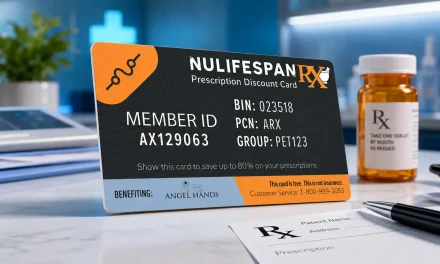
Nerve pain medications sit at two extremes of the pricing spectrum. Generic gabapentin and old tricyclic antidepressants can cost less than $20 a month in cash, while the retail price of pregabalin at some pharmacies tops $400 for the same 30 days, even though a discounted price for the identical prescription may be under $15. For anyone managing neuropathy medication costs without insurance, the difference between overpaying and paying almost nothing usually comes down to comparing prices first. A free comparison tool like the NuLifeSpanRx pricing tool shows the discounted cash price of your exact prescription at pharmacies near you.
Which Type of Nerve Pain Are You Treating?
The right medication, and therefore the cost, starts with the diagnosis. Peripheral neuropathy is damage to the nerves outside the brain and spinal cord, producing burning, tingling, numbness, and shooting pain, most often in the hands and feet. The National Institute of Neurological Disorders and Stroke describes many causes, with diabetes being the most common in the United States.
A few distinctions matter for prescribing:
- Diabetic peripheral neuropathy has specific FDA-approved treatments, including pregabalin and duloxetine, and treatment usually continues alongside diabetes management indefinitely.
- Postherpetic neuralgia, the lingering nerve pain that can follow shingles, is what gabapentin, pregabalin, and lidocaine patches are formally approved for.
- Other neuropathic pain, from injuries, chemotherapy, or unknown causes, is often treated off-label with the same drug classes based on clinical evidence.
These conditions are not interchangeable and neither are the medications. Several of the drugs below also interact with other prescriptions. Your healthcare professional determines which treatment is appropriate based on your diagnosis, symptoms, medical history, other medications, and treatment response.
What These Medications Cost in Cash
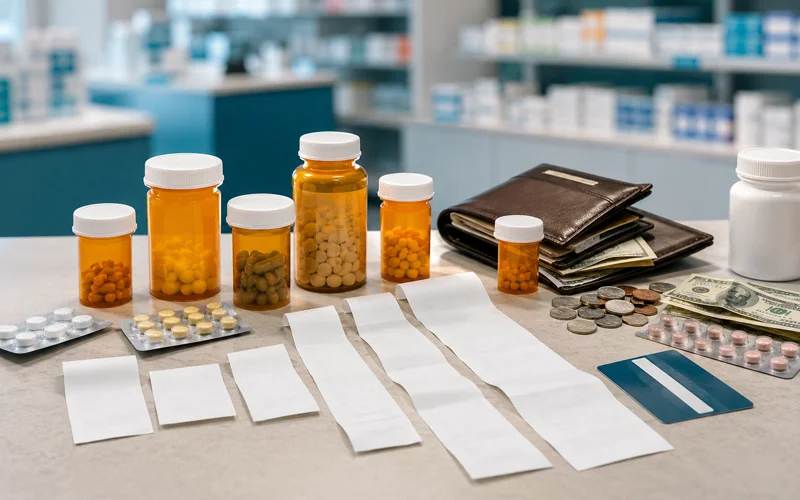
The ranges below are approximate cash prices without insurance, based on published pricing data from sources such as GoodRx, SingleCare, and Drugs.com reviewed in August 2026. Actual prices depend on dosage, quantity, formulation, pharmacy, location, and available discounts, and they change over time.
| Medication | Generic/Brand | Medication Type | Typical Cash Price Range (30 days) | Important Cost Notes |
| Gabapentin | Generic (brand: Neurontin) | Anticonvulsant / gabapentinoid | Roughly $10 to $80 (generic) at retail; discounts often under $10 | FDA-approved for postherpetic neuralgia; widely used off-label for other nerve pain. Capsules usually cost less than tablets. Brand Neurontin can exceed $300 to $500. |
| Pregabalin | Generic (brand: Lyrica) | Anticonvulsant / gabapentinoid | Roughly $11 to $50 (generic) with discounts; retail can exceed $400 | Approved for diabetic neuropathy, postherpetic neuralgia, and spinal cord injury pain. The retail-vs-discount gap is enormous, so never pay sticker price. Schedule V controlled substance. |
| Duloxetine | Generic (brand: Cymbalta) | SNRI antidepressant | Roughly $15 to $60 (generic) with discounts | FDA-approved for diabetic peripheral neuropathy. Useful when depression or anxiety coexists with pain. |
| Amitriptyline | Generic | Tricyclic antidepressant | Roughly $10 to $20 (generic); often less | Prescribed off-label for neuropathic pain. Among the least expensive options available. |
| Nortriptyline | Generic | Tricyclic antidepressant | Generally low-cost (generic), similar to amitriptyline | Off-label option that some patients tolerate better than amitriptyline. |
| Lidocaine 5% patches | Generic (brand: Lidoderm) | Topical anesthetic | Varies widely by quantity and pharmacy (generic) | Approved for postherpetic neuralgia. Generic patches cost far less than the brand, but patch counts add up. |
You can check whether your specific prescription is eligible for discounts on the NuLifeSpanRx covered drugs page.
The Pregabalin Price Trap
Pregabalin deserves its own explanation because it is where uninsured patients overpay most. For years it was available only as brand-name Lyrica at a premium price, and many pharmacies’ listed cash prices never came down after the generic launched. The result is a listed retail price that can exceed $400 per month sitting alongside a discounted cash price of roughly $11 to $50 for the identical generic prescription at a participating pharmacy.
Nobody paying cash for pregabalin should ever pay the sticker price. Check the discounted price first, then decide where to fill. The same logic applies in smaller measure to gabapentin, where published comparisons show gaps of $30 or more per month between pharmacies in the same area, and where capsules typically cost meaningfully less than tablets at the same dose.
Two structural quirks also shape prices in this category. Pregabalin is a federal Schedule V controlled substance, and some states additionally schedule gabapentin, which can limit quantity per fill and complicate 90-day supplies. And because nerve pain dosing is titrated, your quantity per month, and therefore your total, often rises during the first weeks of treatment even though the per-capsule price barely moves.
For the broader forces behind gaps like these, see the NuLifeSpanRx article on why medications are so expensive.
Generics Changed This Category

A decade ago, treating nerve pain affordably without insurance was genuinely hard, because Lyrica and Cymbalta were brand-only. Today every major oral option has an FDA-approved generic, including pregabalin and duloxetine, and the tricyclics have been cheap for decades. Generics contain the same active ingredient at the same strength and are held to the same quality standards, and for cash payers they are almost always the sensible default.
If your prescription is written for a brand, ask your prescriber or pharmacist whether the generic is appropriate for you before paying brand prices. Do not substitute, split, or switch medications on your own. Gabapentinoids in particular should never be stopped abruptly, since sudden discontinuation can cause withdrawal symptoms and, in some patients, seizures.
What Ongoing Treatment Really Costs
Nerve pain treatment tends to be long-term, and the first month rarely predicts the twelfth. Doses start low and titrate upward, so reprice once your maintenance dose is set. It is also common to try one medication and move to another if relief is inadequate or side effects appear, and each switch is a new price to compare. Some patients end up on an oral medication plus a topical treatment, which doubles the monthly line items.
Even at the affordable end, differences compound. Paying $12 instead of $60 per month for the same gabapentin prescription saves $576 per year, which matters for anyone also paying cash for diabetes supplies or other chronic medications.
One thing that should never be part of the cost plan: skipping doses, reducing your dose, or stopping because of price. Sudden discontinuation of gabapentinoids and antidepressant-class pain medications can cause withdrawal effects, and untreated neuropathy erodes sleep, mobility, and quality of life. If cost is the problem, tell your prescriber; there is almost always a cheaper workable option.
Six Ways to Pay Less

- Check the discounted price before accepting any retail price, especially on pregabalin, where the gap routinely exceeds 90 percent.
- Compare three or four pharmacies before each fill, including grocery-store and warehouse pharmacies, which frequently beat chain prices for cash payers.
- Ask about capsules vs tablets for gabapentin, since capsules are usually cheaper at the same dose. The change must come from your prescriber or pharmacist.
- Ask about 90-day fills once your dose is stable, subject to any controlled-substance limits in your state.
- Ask your prescriber about lower-cost clinically suitable alternatives for your specific condition, such as duloxetine or a tricyclic, if your current drug is unaffordable. That is a medical decision, not a pharmacy-counter decision.
- Show a free prescription discount card at every fill, since cards apply pre-negotiated rates that are typically far below cash retail for these generics.
How NuLifeSpanRx May Help With Prescription Costs
NuLifeSpanRx runs a free prescription discount program accepted at more than 35,000 pharmacies nationwide. It is not insurance, it does not cover every product, and savings vary by medication and pharmacy, but for cash payers filling nerve pain generics like gabapentin, pregabalin, and duloxetine, the discounted rate is often dramatically lower than the pharmacy’s standard cash price.
Enter your exact prescription in the pricing tool to compare discounted prices at pharmacies near you, then download your free card from My Cards and show it to the pharmacist every time you fill. There are no fees or sign-up requirements, the card never expires, and it works for your whole family. If you have insurance that excludes your medication or a deductible that makes it unaffordable, the program can be used instead of insurance on that fill; the NuLifeSpanRx underinsured page explains how.

Frequently Asked Questions
How much does gabapentin cost without insurance?
Generic gabapentin typically costs roughly $10 to $80 per month at retail depending on dose, quantity, and form, and free discount cards often bring it under $10 at participating pharmacies. Capsules usually cost less than tablets at the same strength.
Why is pregabalin so expensive without insurance?
The listed retail price of pregabalin can exceed $400 per month, largely a holdover from its brand-only years, but generic competition means discounted cash prices are often between $11 and $50. Comparing pharmacies and using a discount card closes most of that gap.
What is the cheapest medication for nerve pain?
Generic gabapentin, amitriptyline, and nortriptyline are usually the least expensive options, often under $20 per month. Whether any of them is right for your type of nerve pain is a medical decision, so ask your prescriber about affordable choices for your diagnosis.
Is gabapentin a controlled substance?
Gabapentin is not federally scheduled, but several states classify it as a controlled substance or require monitoring, which can affect quantity limits and refills. Pregabalin is a federal Schedule V controlled substance everywhere in the United States.
Is duloxetine cheaper than pregabalin?
With discounts, the two are often in a similar range: duloxetine commonly runs roughly $15 to $60 per month and discounted pregabalin roughly $11 to $50. At listed retail prices pregabalin usually looks far more expensive, which is why comparing discounted prices matters. Which drug is appropriate for you is a clinical decision.
Can I treat neuropathy with over-the-counter products instead?
Some over-the-counter topicals, such as lidocaine or capsaicin creams, may ease mild localized symptoms, but they are not replacements for prescription treatment of significant neuropathic pain. Talk with your healthcare professional before relying on them, especially if your symptoms are worsening.
This article is for general information only and is not medical advice. Decisions about starting, stopping, or changing any medication should always be made with a qualified healthcare professional. Pricing referenced reflects published data available as of August 2026 and is subject to change.