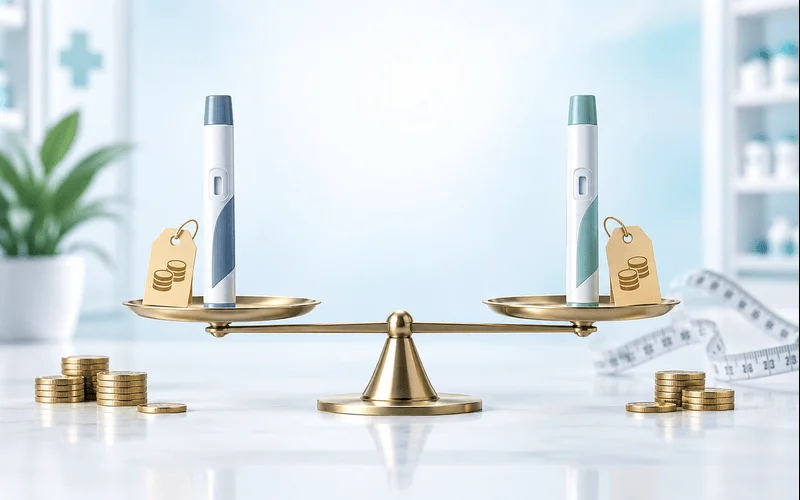
If you are choosing between Wegovy and Zepbound for weight management, cost is usually the deciding factor once your doctor has confirmed either one is appropriate for you. Before comparing manufacturer numbers, it is worth checking what pharmacies near you are actually charging, since retail cash pricing on both drugs varies by location.
Both are GLP-1 based injectable medications, but they are made by different companies, priced differently, and offer different self-pay and savings programs. Here is how the two actually compare on price in 2026, without insurance, with insurance, and through manufacturer discount programs.
What Are Wegovy and Zepbound?
Wegovy (semaglutide) is made by Novo Nordisk and is FDA-approved for chronic weight management in adults and certain adolescents with obesity, as well as for reducing cardiovascular risk in adults with obesity or overweight and established heart disease. Zepbound (tirzepatide) is made by Eli Lilly and is FDA-approved for chronic weight management and for moderate to severe obstructive sleep apnea in adults with obesity.
Both drugs work by mimicking gut hormones that regulate appetite and blood sugar, but Zepbound also acts on a second hormone receptor (GIP), which some clinical trials have linked to greater average weight loss. Your prescriber, not price alone, should guide which medication fits your health profile.
Wegovy Cost Without Insurance
Wegovy’s list price (the manufacturer’s official price before any discounts) is approximately $1,349 per month. At retail pharmacies without insurance or a discount program, cash prices commonly run between $1,200 and $1,800 per month depending on the pharmacy and location.
Novo Nordisk also sells Wegovy directly to self-pay patients through its NovoCare Pharmacy program:
| Wegovy Option | Estimated Monthly Cost |
| Retail cash price (no insurance) | $1,200 to $1,800 |
| NovoCare Pharmacy, injection pen (standard doses) | Around $349, with a lower introductory rate for a patient’s first two fills |
| NovoCare Pharmacy, higher-dose (7.2 mg) pen | Around $399 |
| NovoCare Pharmacy, oral tablet | Roughly $149 to $299, depending on dose |
| With commercial insurance plus the Wegovy Savings Card | As low as $25, for eligible plans |
These self-pay and savings figures come directly from Novo Nordisk’s NovoCare program and can change, so it is worth confirming current pricing at novocare.com before assuming a specific number applies to you.
Zepbound Cost Without Insurance

Zepbound’s list price is roughly $1,086 per month regardless of dose. Retail cash prices without any discount typically fall between $1,000 and $1,500 per month.
Eli Lilly’s direct-to-patient program, LillyDirect, offers lower self-pay pricing for single-dose vials:
| Zepbound Option | Estimated Monthly Cost |
| Retail cash price (no insurance) | $1,000 to $1,500 |
| LillyDirect self-pay vials, starter doses (2.5 mg, 5 mg) | Around $299 |
| LillyDirect self-pay vials, higher doses (7.5 mg to 15 mg) | Around $449 |
| With commercial insurance plus the Zepbound Savings Card | As low as $25, for eligible plans |
As with Wegovy, these LillyDirect prices and eligibility rules are set by the manufacturer and can be updated, so confirm current terms at lillydirect.lilly.com before relying on a specific figure.
Wegovy vs. Zepbound: Side-by-Side Cost Comparison
| Factor | Wegovy | Zepbound |
| Manufacturer | Novo Nordisk | Eli Lilly |
| List price (retail, before discounts) | About $1,349/month | About $1,086/month |
| Manufacturer self-pay program | NovoCare Pharmacy, roughly $149 to $399/month | LillyDirect, roughly $299 to $449/month |
| Savings card with commercial insurance | As low as $25/month | As low as $25/month |
| Available as an oral tablet | Yes | Not currently |
| Federal government plans (Medicare, Medicaid, TRICARE, VA) | Savings cards excluded by law | Savings cards excluded by law |
On list price alone, Zepbound is generally the lower-priced brand. On manufacturer self-pay pricing, Wegovy’s oral tablet option can undercut Zepbound’s cheapest vial tier for patients who are candidates for the pill form. For patients whose commercial insurance actually covers the drug, both companies’ savings cards can bring the cost down to a similar range.
Why the Price You Pay May Differ From These Numbers
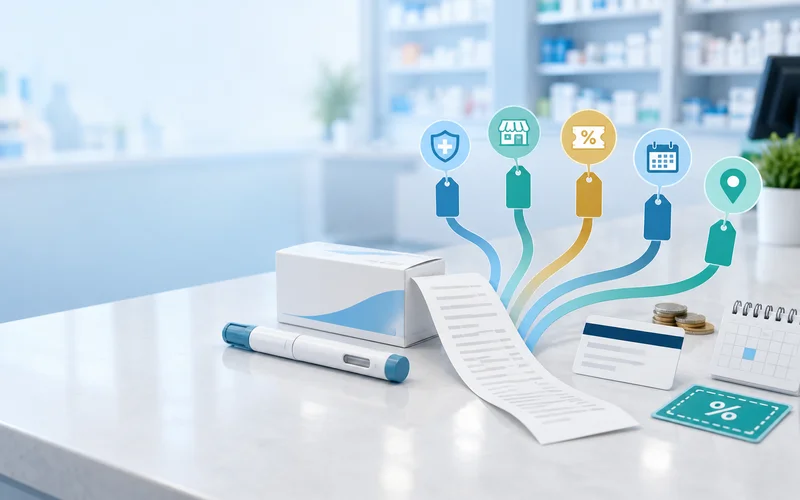
Several factors change what you personally will be charged:
- Dose strength. Both drugs are typically dosed at a low starting level that increases over weeks or months, and some self-pay programs price higher doses differently than starter doses.
- Insurance formulary status. Many commercial plans still exclude weight-loss drugs entirely, require prior authorization, or only cover one of the two brands.
- Pharmacy choice. Retail cash prices vary from one pharmacy chain to another even without any discount program.
- Government insurance. Manufacturer savings cards cannot legally be used with Medicare, Medicaid, TRICARE, or VA benefits, so beneficiaries on those programs need to look at plan formulary coverage or patient assistance programs instead.
Brand-Name vs. Generic Availability
As of 2026, there is no FDA-approved generic version of either Wegovy or Zepbound. Compounded semaglutide and tirzepatide products have circulated from compounding pharmacies, but the FDA has raised safety and quality concerns about compounded GLP-1 products, and compounding is generally intended for situations where the approved brand is in shortage, not as a routine lower-cost substitute. Talk with your prescriber and pharmacist about the source and legitimacy of any product before using it.
How to Compare Real Prices Near You
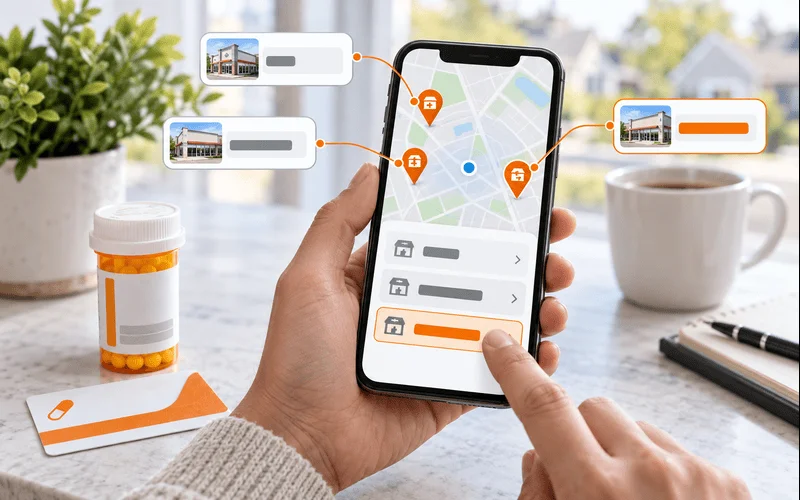
List prices and manufacturer program rates are a starting point, but actual pharmacy pricing can vary by ZIP code and by whether a discount card is applied at checkout. Instead of guessing, compare prescription prices at pharmacies near you with a free NuLifeSpan Rx discount card, and check which of your local pharmacies is currently offering the best cash price on either medication.
Manufacturer Savings Programs: What to Know Before You Apply
Both the Wegovy Savings Card and the Zepbound Savings Card are copay assistance programs, not insurance, and both require the patient to already have commercial (private) insurance that lists the drug on its formulary. If your insurance does not cover the medication at all, the savings card typically will not reduce your price to the advertised low end, and the manufacturer’s self-pay program (NovoCare Pharmacy or LillyDirect) is usually the more relevant comparison.
For a closer look at eligibility rules and common pitfalls, see how manufacturer savings cards work for GLP-1 drugs. If you do not have commercial insurance and do not qualify for either manufacturer’s self-pay program, a prescription discount card can still be applied at participating pharmacies for other medications you take, even if GLP-1 drugs themselves are not typically eligible for standard discount card pricing given their specialty-tier status.
NuLifeSpan Rx vs. Manufacturer Programs: When Each One Helps
It helps to be clear about what a free discount card like NuLifeSpan Rx can and cannot do for Wegovy or Zepbound specifically. Because both drugs are priced on a specialty tier, a standard discount card usually will not beat NovoCare Pharmacy or LillyDirect self-pay pricing on the GLP-1 prescription itself.
Where a NuLifeSpan Rx card does help is everywhere else in your prescription list: the blood pressure medication, the statin, or any other generic you and your family take alongside a GLP-1 drug, where cash prices vary by pharmacy and a discount card commonly beats a standard copay. Think of the manufacturer program as your main lever for the GLP-1 medication itself, and a discount card as the tool for everything else in your cart.
Important Limitations
Prices in this article are estimates based on published 2026 sources and manufacturer program pages. Actual prices vary by pharmacy, location, insurance plan, dose, and manufacturer program terms, all of which can change without notice.
This article does not constitute medical advice, and the decision between Wegovy and Zepbound should be made with your prescribing physician based on your health history, goals, and any conditions such as sleep apnea or cardiovascular disease that may make one medication more clinically appropriate than the other.
Ready to Compare Prices?
Before filling a new prescription, it is worth checking what pharmacies in your area are actually charging. Compare prescription prices with a free NuLifeSpan Rx discount card to see how local cash pricing on either medication measures up, and talk to your doctor about which manufacturer program or dosing plan fits your budget and treatment goals.
Frequently Asked Questions
Is Zepbound cheaper than Wegovy?
At list price, Zepbound is generally less expensive than Wegovy. However, once manufacturer self-pay programs and savings cards are factored in, the actual price gap narrows and can shift depending on dose and insurance status.
Can I switch from Wegovy to Zepbound to save money?
Only your prescriber can determine whether switching is medically appropriate. Cost should not be the only factor, since the two drugs have different mechanisms, side effect profiles, and FDA-approved uses.
Do Wegovy and Zepbound savings cards work with Medicare?
No. Federal law prohibits manufacturer copay cards from being used with Medicare, Medicaid, TRICARE, or VA benefits.
Is there a generic version of Wegovy or Zepbound?
Not as of 2026. Compounded versions exist but are not FDA-approved copies of the brand products, and the FDA has issued safety guidance about compounded GLP-1 medications.
What if my insurance does not cover either drug?
Ask your prescriber about the manufacturer’s direct self-pay program (NovoCare Pharmacy for Wegovy, LillyDirect for Zepbound), and compare local cash prices before assuming the list price is your only option.
Does Zepbound come in pill form like oral Wegovy?
Not currently. As of 2026, Zepbound is available only as an injection, while Wegovy also has an FDA-approved oral tablet option.