The biggest hidden cost in pet ownership is ongoing prescription medication. You can reduce it significantly by using a free prescription discount card at a retail pharmacy, switching to generic equivalents, asking your vet for a written prescription to fill elsewhere, comparing pharmacy prices before every fill, and taking preventive measures that reduce the need for treatment in the first place.
Most people budget for food and routine vet visits when they get a pet. What they do not fully anticipate is the cost of prescription medications, particularly if the animal develops a chronic condition. A dog with epilepsy, a diabetic cat, or a pet with allergic skin disease can easily cost $100 to $300 or more per month in medication alone.
The good news is that this cost is far more negotiable than most pet owners realize. The retail price quoted at a veterinary clinic is almost never the lowest price available for the same drug. This guide covers every practical strategy for closing that gap.
Why Pet Medication Costs Are Higher Than They Should Be
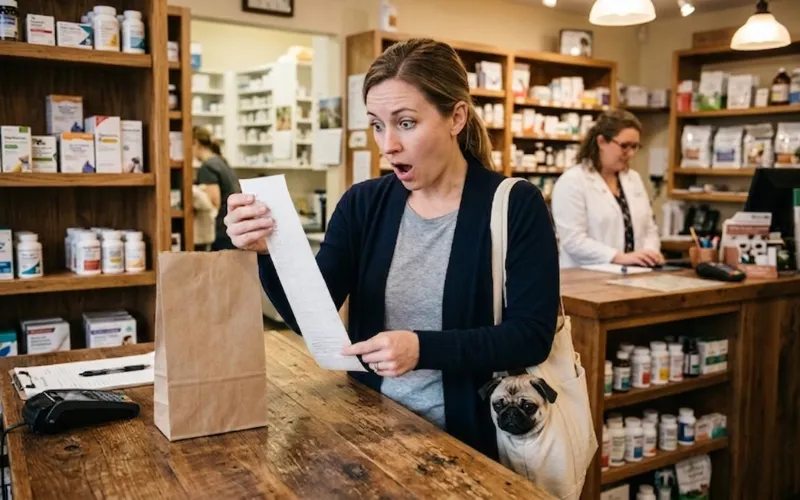
Veterinary clinics dispense medications as a revenue source. Markups on prescription drugs at a clinic typically range from 100 to 1,000 percent above the clinic’s acquisition cost. This is one of the largest markups in any consumer healthcare setting.
Unlike retail pharmacies, which operate in a competitive pricing environment, veterinary practices operate with a captive dispensing audience. Most pet owners purchase medications at the clinic simply because they do not know they can fill the same prescription elsewhere at a significantly lower price.
Why prescription drug prices are so high is a structural issue across both human and veterinary medicine. The difference is that in the veterinary space, even fewer patients know how to navigate around the default retail price.
Use a Prescription Discount Card at a Retail Pharmacy
A free prescription discount card is the fastest way to reduce what you pay for a pet’s medication. It costs nothing to get, requires no insurance or income documentation, and works at thousands of retail pharmacies nationwide.
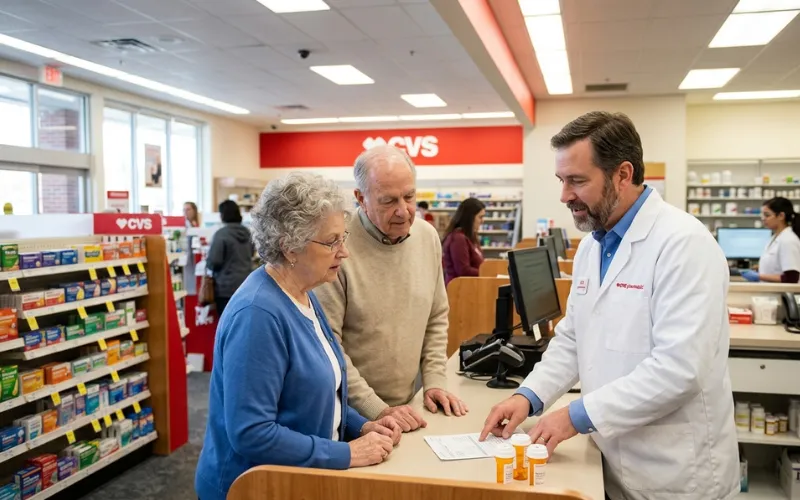
When you present the card at the counter with your veterinarian’s written prescription, the pharmacist applies a pre-negotiated reduced rate. For common generic pet medications, the discounted price is often 60 to 85 percent below the veterinary clinic price for the same drug.
How a prescription discount card applies to your dog’s or cat’s medications at a retail pharmacy is one of the most underused savings strategies in pet ownership. The only step required is asking your veterinarian for a written prescription rather than purchasing at the clinic.
NuLifeSpan Rx Pet Prescriptions: Free Discount Card for Your Animal’s Medications
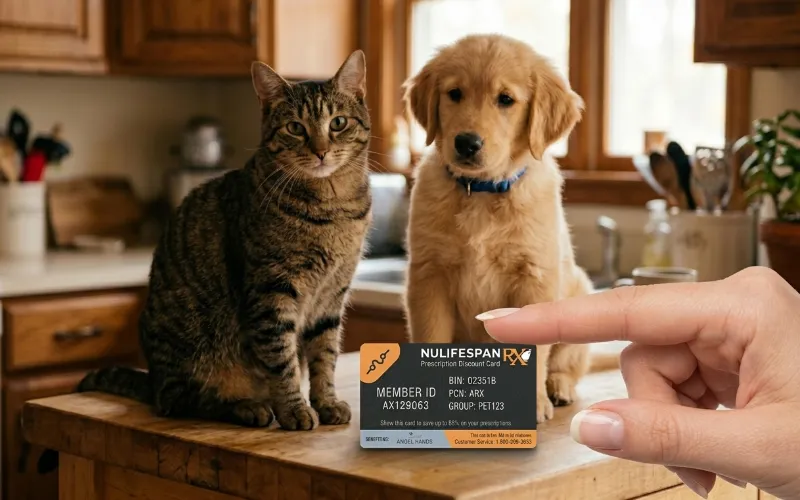
The NuLifeSpan Rx pet prescriptions savings program gives pet owners access to the same free discount card used for human prescriptions, accepted at participating retail pharmacies for veterinary medications.
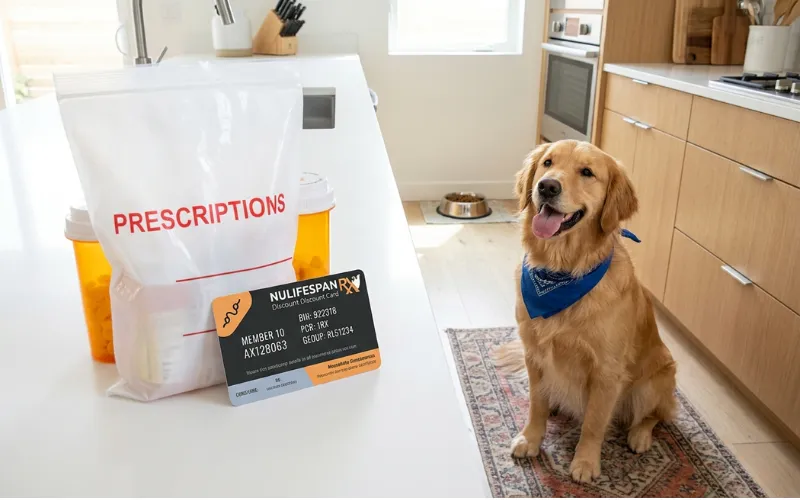
No sign-up. No expiration. No insurance required. Ask your vet for a written prescription, present the NuLifeSpan Rx card at a retail pharmacy, and pay the discounted rate instead of the clinic markup on every fill.
Get Your Free Pet Prescription Discount Card

Switch to Generic Alternatives
Generic medications contain the same active ingredient at the same strength and dosage form as their brand-name counterparts. The FDA requires every generic to meet bioequivalence standards before approval. They cost 70 to 85 percent less on average than brand-name equivalents.
Many pets are prescribed brand-name drugs when a therapeutically equivalent generic is available and would work equally well. Common examples include generic levothyroxine for thyroid conditions, generic phenobarbital for epilepsy, and generic fluoxetine for behavioral conditions.
Always confirm with your veterinarian before switching. A small number of medications require additional monitoring during the brand-to-generic transition, but for most common chronic pet medications, the generic switch is straightforward and safe. Proven strategies for reducing pet prescription costs consistently rank generic switching among the highest-impact changes available to pet owners.
Ask Your Vet for a Written Prescription
You are legally entitled to ask your veterinarian for a written prescription rather than purchasing the medication at the clinic. Most veterinarians provide one at no additional charge when asked directly.
That written prescription can be filled at any licensed retail pharmacy, where competitive pricing and discount programs apply. The price difference between a veterinary clinic fill and a discount-card-equipped retail pharmacy fill for the same generic drug is often $20 to $60 per month.
For a pet on daily chronic medication, that difference compounds into several hundred dollars of unnecessary spending per year when the written prescription is never requested. Finding the cheapest pharmacy for any pet medication starts with having the written prescription in hand.
Compare Prices Before Every Fill
The same medication at the same strength and quantity can cost dramatically different amounts at pharmacies within a short distance of each other. A discount card also produces different prices at different locations because negotiated rates are pharmacy-specific, not chain-wide.
Call two or three retail pharmacies before filling any new prescription. Ask for the price at the standard cash rate and then with a discount card applied. Fill at whichever location produces the lowest number. Why prices differ between pharmacy locations is a direct result of how pharmacy supply contracts and discount networks are structured at the local level.
For stable chronic prescriptions, run this comparison once at the outset and revisit it annually. Prices shift over time, and the cheapest location in one year may not be the cheapest the next.
Request a 90-Day Supply for Chronic Medications
Filling a 90-day supply instead of a 30-day supply reduces the per-dose cost at most pharmacies. It also cuts annual pharmacy trips from twelve to four, reducing both time and the risk of a supply gap during a busy week.
Ask your veterinarian to write a 90-day prescription for any stable chronic medication at your next appointment. Confirm with the pharmacy that the drug is eligible for a 90-day fill at your location, as controlled substances and some specialty medications have legal or policy quantity limits.
For most common chronic pet medications including thyroid drugs, seizure medications, and behavioral treatments, the 90-day format is available and produces meaningful per-dose savings compared to repeated 30-day fills at the same pharmacy.
Evaluate Pet Insurance for Medication Coverage
Pet insurance that covers prescription medications can significantly reduce out-of-pocket costs for pets with chronic illnesses or serious injuries. Most accident and illness plans include coverage for medications prescribed as part of a covered condition’s treatment.
Reimbursement rates typically range from 70 to 90 percent of covered expenses, though annual and per-condition limits can cap total reimbursements. Verify whether your specific medications are on the insurer’s formulary before enrolling to avoid surprises.
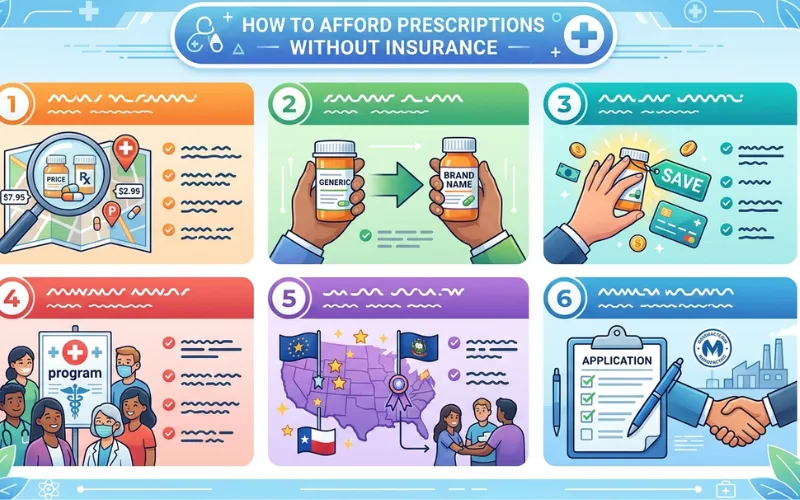
Accident-only plans have more restrictive coverage and generally do not include medications for chronic conditions. If your pet already has a diagnosed chronic illness, review each policy’s pre-existing condition exclusions carefully before committing to a plan. How to afford pet and human prescriptions without insurance covers the full range of alternatives for periods when coverage does not apply.
Preventive Care Reduces the Need for Medication
Regular veterinary checkups allow problems to be caught and treated early, before they escalate into conditions requiring long-term prescription management. Treating an early-stage issue costs a fraction of managing an advanced chronic disease.
Consistent parasite prevention reduces the risk of heartworm, tick-borne illness, and flea-related skin conditions, all of which can require expensive treatment when contracted. Year-round prevention is almost always cheaper than treating the infections these parasites cause.
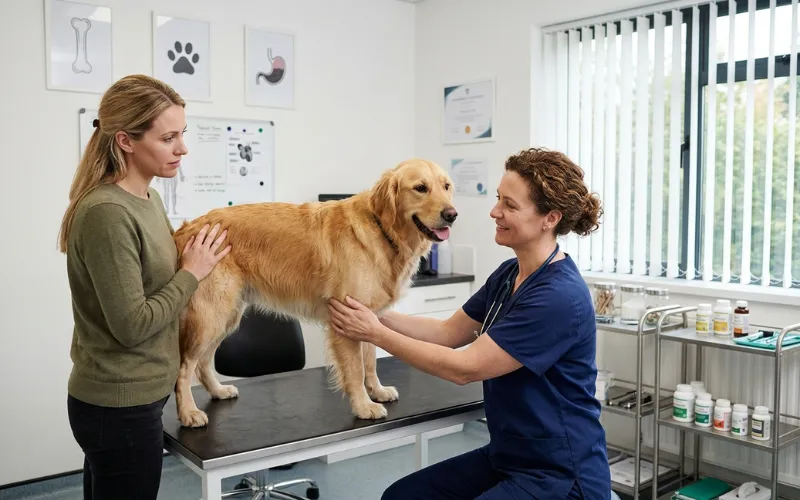
Dental care, appropriate nutrition, and weight management further reduce the likelihood of conditions that lead to systemic medications. A pet maintained at a healthy weight, with clean teeth and current vaccinations, statistically requires fewer prescription interventions over its lifetime.
Budget for Both Routine and Emergency Medications
Routine medication costs for a healthy pet typically run $20 to $40 per month for parasite prevention. For a pet with a chronic condition, ongoing prescription costs add significantly to that baseline, often $60 to $200 per month depending on the condition and drug.
Emergency medication costs are harder to predict but can start at $500 and reach several thousand dollars for serious injuries or illnesses requiring hospitalization. Financial planning for pet ownership should include a dedicated emergency fund of $1,000 to $3,000 at minimum, with more for larger or older pets.
A pet health savings account, funded with a consistent monthly contribution, is one of the most practical ways to build this buffer without relying entirely on credit when an emergency occurs.
Online Pharmacies as a Cost-Saving Option
Licensed online veterinary pharmacies purchase medications in larger quantities than individual retail pharmacies, which allows them to offer lower per-unit prices. For pets on long-term chronic medications, AutoShip programs through accredited online pharmacies typically offer 5 to 15 percent savings per order with home delivery.
The critical requirement is confirming that any online pharmacy is properly licensed by your state board of pharmacy and requires a valid veterinarian prescription before dispensing. Unlicensed sources may supply counterfeit, expired, or improperly stored medications that pose serious risks to your pet’s health.
Compare the total price from an accredited online pharmacy including shipping against the discount card price at your local retail pharmacy. For each medication, one channel will consistently be cheaper, and it is worth confirming which one at the start of any long-term prescription.
NuLifeSpan Rx: One Free Card for Every Prescription in Your Household
The NuLifeSpan Rx prescription discount card saves up to 80 percent on thousands of covered medications at over 35,000 pharmacies nationwide. It works for both human and veterinary prescriptions at participating retail locations.

Free. No sign-up. No expiration. Present it at the counter alongside any valid prescription and the discounted price is applied immediately. One card handles every fill for every member of your household, people and pets included.
Frequently Asked Questions
Why are pet medications so expensive at the veterinary clinic?
Veterinary clinics mark up prescription medications substantially because dispensing is a direct revenue stream. Clinic markups typically range from 100 to 1,000 percent above acquisition cost, depending on the drug. This is significantly higher than what retail pharmacies apply. Pet owners who ask for a written prescription and fill it at a retail pharmacy with a discount card almost always pay less for the same drug.
Can I fill my pet’s prescription at a regular retail pharmacy?
Yes, for any medication that has a human equivalent stocked at the retail pharmacy. Ask your veterinarian for a written prescription. Take it to a licensed retail pharmacy, present a discount card, and fill it at the discounted price. Not all veterinary medications have retail pharmacy equivalents, so confirm the pharmacy stocks the specific drug before making the trip.
How much can I realistically save by using a discount card for pet prescriptions?
For common generic chronic pet medications, switching from the veterinary clinic to a retail pharmacy with a discount card typically reduces the per-fill cost by 30 to 60 percent. For some medications the savings are higher. A pet on a daily thyroid tablet or seizure medication can see annual savings of $200 to $600 or more depending on the drug and the pharmacy used.
Are generic pet medications as safe and effective as brand-name versions?
Yes. The FDA requires every generic to demonstrate bioequivalence to the brand-name original before approval. The active ingredient, strength, and dosage form are the same. For most common chronic pet medications, generic equivalents are clinically established and widely used in veterinary practice. Always confirm with your veterinarian before switching, as a small number of medications require monitoring during the brand-to-generic transition.
How do I know if my pet’s medication is available at a retail pharmacy?
Ask your veterinarian when the prescription is written. If the active ingredient in your pet’s medication is identical to a drug available for human use, a retail pharmacy will almost certainly stock it. Common examples include levothyroxine, phenobarbital, fluoxetine, gabapentin, metronidazole, methimazole, and most antibiotics. Veterinary-specific drugs with no human equivalent must be sourced through veterinary channels.
Is pet insurance worth it for covering prescription medications?
It depends on your pet’s health and the specific policy terms. Accident and illness plans that include prescription coverage can be genuinely valuable for pets with chronic conditions or those at higher risk of serious illness. The key factors to evaluate are the reimbursement rate, annual limits, pre-existing condition exclusions, and whether your pet’s current medications are on the insurer’s formulary. For healthy pets with no current prescriptions, a discount card and emergency savings fund may be more cost-effective than an insurance premium.
What is the best way to budget for pet medication costs?
Start by listing every current prescription your pet takes and determining the monthly cost using both the veterinary clinic price and the discount card price at a retail pharmacy. Use the lower number as your monthly budget baseline. Add $20 to $40 per month for routine parasite prevention. Build a separate emergency fund of $1,000 to $3,000 by contributing a fixed amount monthly. Review the medication prices annually, as both pharmacy pricing and discount card rates change over time.
Are online veterinary pharmacies safe to use?
Yes, provided the online pharmacy is legitimately licensed and accredited. Verify that any online pharmacy you use is licensed by your state board of pharmacy and requires a valid veterinarian prescription before dispensing. Pharmacies that allow you to purchase prescription medications without a valid prescription are operating illegally and should be avoided. Accredited online pharmacies dispense the same FDA-approved medications available at retail locations and often offer competitive pricing for chronic medications through AutoShip programs.
Do pet medication costs vary depending on where I live?
Yes. Retail pharmacy prices vary by region due to local market conditions, regional supply contracts, and which discount programs individual pharmacy locations participate in. A medication that costs $12 with a discount card at a pharmacy in one city may cost $18 at a pharmacy in another. This is why comparing prices at pharmacies in your specific area before filling, rather than relying on a national average, consistently produces more accurate and actionable results for any given prescription.
Can I negotiate medication prices directly with my veterinarian?
Yes, and it is worth asking. Many veterinarians are willing to discuss lower-cost options when a pet owner raises the topic directly. Options a vet may offer include switching to a generic equivalent, providing a written prescription to fill at a retail pharmacy, suggesting a lower-cost alternative in the same drug class, or in some practices offering a payment plan for expensive treatments. Most veterinarians prefer a conversation about cost over a pet not receiving needed medication due to financial barriers.
Conclusion
Prescription medications are one of the largest and least-anticipated costs of pet ownership, but they are also one of the most negotiable. A free discount card at a retail pharmacy, a generic substitution, a written prescription filled away from the clinic, and a 90-day supply request together address most of the gap between what pet owners currently pay and what they actually need to pay.Preventive care and pet insurance address the longer-term risk of expensive conditions developing in the first place. Used together, these strategies make chronic pet illness financially manageable without compromising the quality of your animal’s care. Visit the NuLifeSpan Rx blog for more detailed guides on specific pet medications and pharmacy savings tools.