Trazodone is one of the most commonly prescribed medications for sleep in the United States, even though it was not originally developed as a sleep aid. If you have been prescribed trazodone for insomnia and do not have insurance, or your insurance does not cover it well, here is what you can realistically expect to pay, and how to make sure you are not overpaying at the pharmacy counter.
What Is Trazodone Commonly Prescribed For?
Trazodone is FDA-approved to treat major depressive disorder in adults. It belongs to a class of antidepressants called serotonin antagonists and reuptake inhibitors. At the doses typically used for depression, trazodone can cause noticeable drowsiness, and prescribers have long taken advantage of that side effect by prescribing lower doses specifically to help patients fall and stay asleep.
This sleep use is considered off-label, meaning the FDA has not formally approved trazodone for insomnia, even though it has been prescribed for that purpose for decades and remains one of the most frequently used medications for sleep problems in primary care and psychiatric practice.
Trazodone Cost Without Insurance
The good news for patients is that trazodone is inexpensive compared to most other prescription sleep aids, because it has been available as a generic medication for many years (all brand versions, including Desyrel, have been discontinued).
| Trazodone Option | Estimated Cost for a 30-Day Supply |
| Retail cash price, 50 mg tablets, no discount | Roughly $15 to $35 |
| Retail cash price, 100 mg tablets, no discount | Roughly $20 to $45 |
| With a pharmacy discount card | Often $4 to $15, depending on dose and pharmacy |
| With commercial insurance | Usually a standard generic copay, commonly $0 to $15 |
Prices vary by pharmacy, dose strength, and tablet count, so the same prescription can be priced differently at two pharmacies just a few miles apart.
Why Trazodone Is So Affordable Compared to Other Sleep Medications
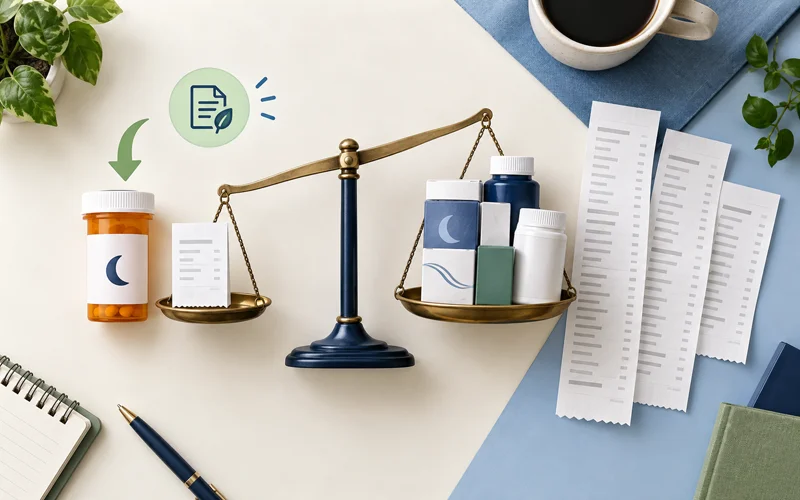
Trazodone is not a controlled substance, unlike benzodiazepines (such as temazepam) or “Z-drugs” (such as zolpidem, sold as Ambien). That matters for cost and access in two ways. First, being a decades-old generic drug with many manufacturers keeps its price low through ordinary market competition. Second, because it is not a controlled substance, pharmacies and insurers generally do not impose the same strict quantity limits, prior authorization, or step therapy requirements that often apply to prescription hypnotics.
Factors That Affect Your Price
- Dose strength. Lower doses used for sleep (commonly 25 mg to 100 mg) are typically priced similarly per tablet to higher antidepressant doses, but total cost depends on the number of tablets prescribed.
- Quantity prescribed. A 90-day supply purchased at once is often cheaper per tablet than three separate 30-day fills.
- Pharmacy choice. Big-box retailers, grocery store pharmacies, and independent pharmacies often price generic trazodone differently.
- Discount card use. Because trazodone is a widely stocked generic, discount cards can often bring the price down significantly compared to the pharmacy’s standard cash price.
Insurance Coverage for Trazodone
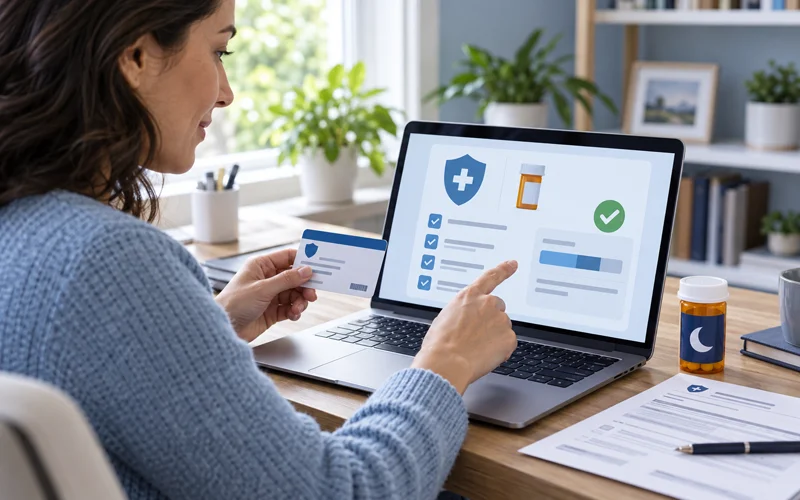
Most commercial insurance plans, Medicare Part D plans, and Medicaid programs cover generic trazodone with minimal restrictions, since it is inexpensive and not a controlled substance. Prior authorization is typically not required for standard generic trazodone prescribed at usual doses.
If your plan is denying coverage or applying an unusually high copay, ask your pharmacist whether the claim was submitted correctly, since this is uncommon for a drug this inexpensive. For a broader look at why some sleep medications face more insurance restrictions than others, see why sleep medications are rarely covered long-term by insurance.
Comparing Prices Before You Fill Your Prescription
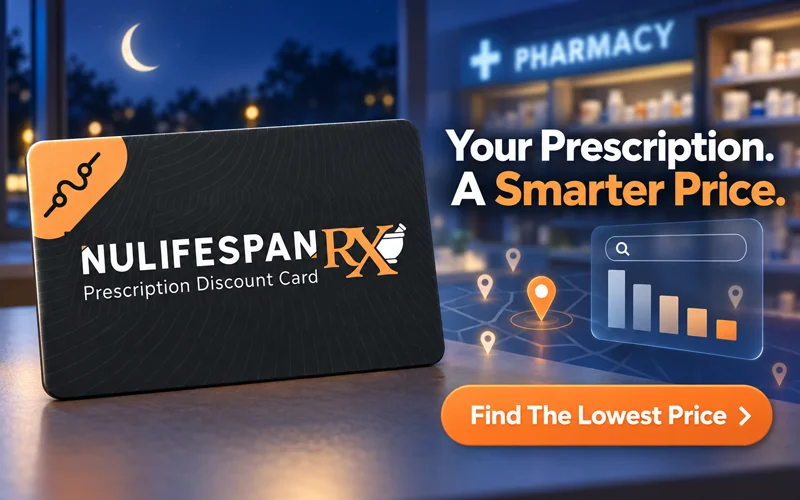
Even for an inexpensive generic like trazodone, prices can differ enough between pharmacies to make comparison worthwhile, especially if you are paying cash. You can compare prescription prices at pharmacies near you using a free discount card to see which local pharmacy currently has the best price on your specific dose and quantity.
Prescription Discount Cards for Trazodone
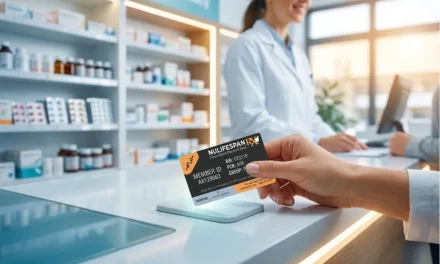
A free prescription discount card can be used at the pharmacy counter whether or not you have insurance, and for a common generic like trazodone, the discounted price is often lower than a typical insurance copay. Simply show your card to the pharmacist and ask them to run the discount alongside, or instead of, your insurance to see which produces the lower price.
NuLifeSpan Rx vs. Paying Your Insurance Copay
For an inexpensive generic like trazodone, it is worth comparing your NuLifeSpan Rx discount price against your insurance copay rather than assuming insurance is automatically cheaper. Many plans charge a flat generic copay of $10 to $15 regardless of how little the drug actually costs, while a discount card price on trazodone can sometimes fall below that. There is no downside to checking both: ask your pharmacist to price the prescription both ways at pickup, and use whichever number is lower that day.
Important Limitations
Prices described in this article are general estimates based on published 2026 sources and can vary by pharmacy, region, dose, and quantity. Trazodone can interact with other medications and is not appropriate for everyone, particularly people taking certain other antidepressants or medications that affect heart rhythm. This article is educational and does not replace medical advice. Talk with your doctor or pharmacist about whether trazodone is a safe and appropriate choice for your sleep concerns, and about the long-term use of any sleep medication.
Compare Prices and Start Saving
Before you fill your next trazodone prescription, compare prices at pharmacies near you with a free NuLifeSpan Rx discount card, and ask your pharmacist whether the discounted cash price beats your insurance copay.
Frequently Asked Questions
Is trazodone expensive without insurance?
No. Trazodone is one of the more affordable prescription options for sleep, typically costing $15 to $35 for a 30-day supply at retail without insurance, and often less with a discount card.
Why is trazodone prescribed for sleep if it is an antidepressant?
At lower doses, trazodone’s sedating side effect is used intentionally to help with insomnia. This is considered an off-label use, meaning it is a common and long-standing practice even though the FDA has not formally approved trazodone specifically for sleep.
Does insurance cover trazodone for insomnia?
Most insurance plans, including Medicare Part D and Medicaid, cover generic trazodone without requiring prior authorization, since it is inexpensive and not a controlled substance.
Is trazodone a controlled substance?
No. Trazodone is not classified as a controlled substance, which is part of why it typically faces fewer insurance restrictions and quantity limits than prescription sleep aids like zolpidem or benzodiazepines.
How can I find the cheapest price for trazodone near me?
Pharmacy cash prices for trazodone vary by location. Comparing prices at a few nearby pharmacies, or using a prescription discount card, can meaningfully lower your out-of-pocket cost.
Can I get a 90-day supply of trazodone to save money?
Ask your prescriber whether a 90-day prescription is appropriate for your situation. A larger supply often costs less per tablet than filling the same total quantity in three separate 30-day fills.