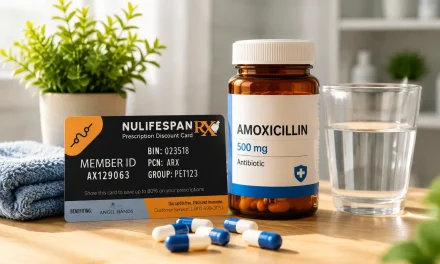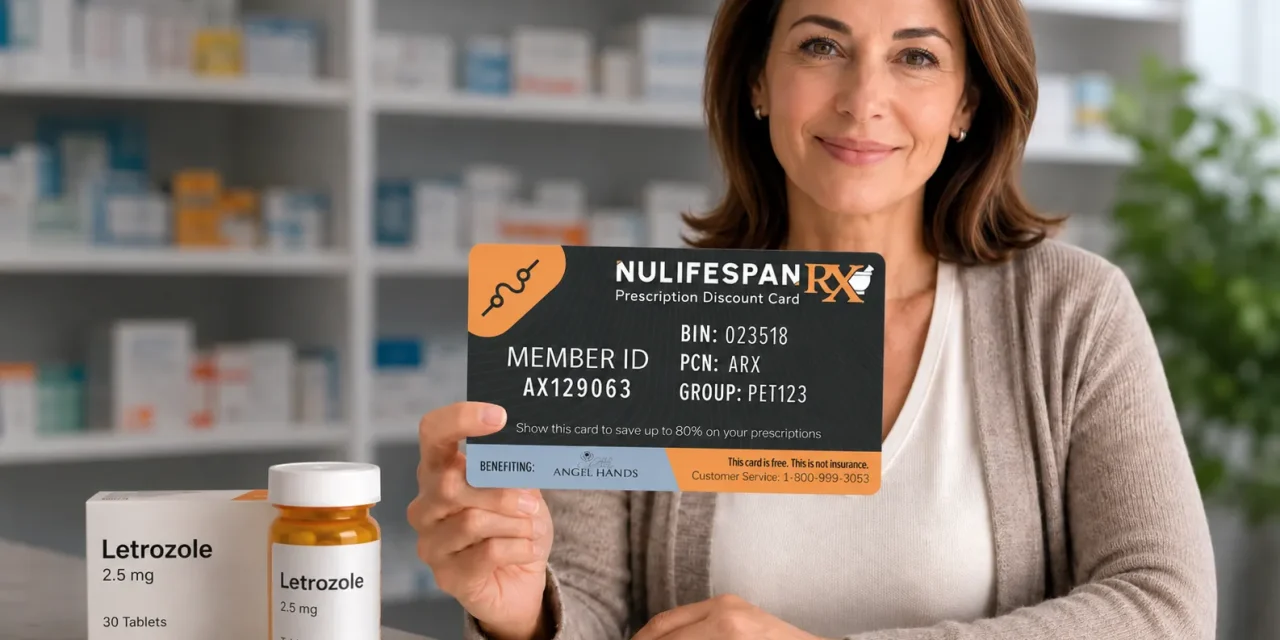
Generic letrozole without insurance costs between $15 and $50 at retail for a 30-day supply depending on the pharmacy, and with a free prescription discount card that can drop to $8 to $20 at competitive locations. It is one of the more affordable specialty-adjacent medications, but the price gap between pharmacies is wide enough that most patients who do not compare are overpaying every month.
What Letrozole Is and Why the Cost Varies
Letrozole is an aromatase inhibitor prescribed most commonly for hormone receptor-positive breast cancer in postmenopausal women, and increasingly for fertility treatment in women who do not respond to other ovulation induction medications. Brand-name Femara carried a high price tag before patent expiration, but the generic has been available long enough that competition among manufacturers has brought the base cost down considerably.
The price you see at the counter reflects several variables that have nothing to do with the drug’s clinical value. What drives the retail price of a medication up or down includes how many generic manufacturers compete in the market, how each pharmacy contracts with those manufacturers, and what markup the pharmacy applies to cash-paying patients. For letrozole, all three of those factors vary enough between locations to produce meaningful price differences on the same prescription.
Typical Letrozole Prices Without a Discount
Generic letrozole 2.5mg is the standard dose for both oncology and fertility indications, though the supply quantities differ. Oncology patients typically fill 30-tablet monthly supplies. Fertility patients may fill shorter courses of 5 to 10 tablets per cycle.
Approximate retail prices without any savings tool:
- Letrozole 2.5mg, 30 tablets: approximately $20 to $50 at major chains
- Letrozole 2.5mg, 14 tablets: approximately $12 to $30
- Letrozole 2.5mg, 10 tablets: approximately $10 to $25
These prices are already lower than many other chronic condition medications, but the variation between the cheapest and most expensive option for the same supply is large enough to make comparison worthwhile. A patient paying $48 at one pharmacy for the same 30-tablet supply that costs $14 at another is not receiving better medication. They are simply filling at a less competitive location.
How a Discount Card Brings the Price Down Immediately
A prescription discount card is the fastest way to reduce what you pay for letrozole with no paperwork, no eligibility check, and no cost to obtain or use. These cards work through pre-negotiated rates that pharmacies honor via Pharmacy Benefit Manager network contracts. You present the card at the counter before the transaction is processed and pay the discounted price directly.
With a discount card, letrozole 2.5mg prices at competitive pharmacies typically range from:
- 30 tablets: approximately $8 to $20
- 14 tablets: approximately $5 to $12
- 10 tablets: approximately $4 to $10
How discount card networks secure lower rates at the pharmacy involves the card provider earning a small transaction fee from the pharmacy after each fill. The patient pays nothing for the card itself, and the savings are applied immediately at the counter. For letrozole patients filling monthly for years during cancer treatment or repeatedly each cycle during fertility treatment, those savings accumulate significantly over time.
Why Comparing Pharmacies Matters More Than Having a Card
Having a discount card is the starting point, not the finish line. The same card at two different pharmacies can produce prices that differ by $10 to $20 for the same letrozole supply. This is not a glitch. It reflects how each pharmacy’s contract within the discount network is structured, which varies by chain, location, and transaction volume.
Prescription pricing differences between pharmacy chains follow patterns that reward patients who take a few minutes to compare before committing to a fill location. A large retail chain may offer letrozole at $18 through a discount card while a warehouse pharmacy prices the same supply at $9. Both are participating in the same general discount framework but at different negotiated tiers.
Finding the lowest available price for letrozole near you using a zip-code-based search on a discount card platform takes a few minutes and shows actual prices at each nearby location rather than national averages. For a medication filled monthly over a multi-year treatment course, identifying the cheapest local option once and returning to it consistently compounds those savings substantially.
Letrozole and Insurance: When the Discount Card Wins
For patients with insurance, letrozole is typically covered as a Tier 2 or Tier 3 generic, which means copays can range from $15 to $45 depending on the plan. For some patients, the discount card price will be lower than their insurance copay, particularly before the annual deductible has been met.
Patients on high-deductible plans filling letrozole early in the year are charged the full contracted insurance price until the deductible is met. That price is often higher than the discount card price for letrozole, which means using the card instead of insurance for those early fills produces immediate savings without affecting the insurance plan itself.
The comparison to make at each fill is simple: check the discount card price and your insurance copay before the transaction is processed, then choose the lower one. What pharmacists are not required to bring to your attention includes this comparison. Initiating it yourself before handing over the prescription takes seconds and can result in consistent monthly savings.
Specific Chain Strategies Worth Knowing
For patients who fill letrozole regularly at a specific chain, understanding how each handles cash-pay and discount card pricing is useful context before every fill.
CVS cash pricing for patients without insurance follows an internal structure that is separate from what a discount card produces at the counter, and the two are worth comparing before processing. How Walgreens applies discount card rates at checkout follows its own contract structure, which means the price shown on a discount platform may differ slightly from what the register shows until the card information is entered correctly.
The pharmacy in your area offering the lowest letrozole price by zip code may not be the chain you currently use, and the difference could be meaningful on a medication filled monthly for years. Checking once and switching if the savings are significant is a straightforward decision.
Letrozole for Fertility Patients: A Different Cost Pattern
Letrozole used for ovulation induction in fertility treatment is prescribed differently than for oncology. Courses are typically 5 days per cycle, meaning patients fill smaller quantities more frequently rather than a consistent 30-day monthly supply.
For fertility patients, the per-fill cost is lower in absolute terms, but the frequency of use over multiple cycles means the cumulative cost still adds up. A patient going through six cycles at $15 per fill without a discount card is spending $90 on letrozole alone before other fertility-related costs. The same six cycles at $6 per fill through a discount card at a competitive pharmacy cost $36.
Reducing prescription costs when uninsured is particularly relevant for fertility patients, since fertility medications and treatments are frequently excluded from standard insurance coverage. A discount card is often the primary savings tool available for this patient population.
Patient Assistance Programs for Long-Term Letrozole Use
For patients using letrozole for breast cancer treatment over an extended period, the cumulative cost even at discounted prices can become a burden, particularly for patients on fixed incomes or those without insurance.
Manufacturer patient assistance programs for brand-name Femara exist but are subject to income eligibility criteria and insurance status requirements. For patients on the generic, NeedyMeds and RxAssist are useful starting points for locating programs that may cover generic letrozole or provide financial assistance toward its cost.
State pharmaceutical assistance programs and disease-specific nonprofit foundations focused on breast cancer also provide medication cost support. Patients managing letrozole costs as part of a broader oncology medication regimen should explore these in parallel with the discount card approach rather than treating them as mutually exclusive. Strategies for managing multiple prescription costs without coverage apply directly to this situation.
How to Save on Letrozole Starting With the Next Fill
The fastest path to a lower price on letrozole requires no enrollment, no application, and no waiting period. The steps are immediate.
Before your next fill:
- Search for letrozole 2.5mg at your dosage and quantity on a discount card platform using your zip code
- Compare the prices shown across nearby pharmacies, not just your usual location
- Download or print the card for the pharmacy showing the best price
- Present the card before the prescription is processed, not after
- Compare that price against your insurance copay if you have coverage and choose whichever is lower
Patients who build this habit into every prescription fill, not just letrozole but every medication they take, consistently pay less over time without changing anything about their treatment. Cutting prescription costs by up to 80 percent is achievable on letrozole specifically because the retail markup on this generic is high relative to its actual acquisition cost, and discount card networks have already negotiated that gap away.
Frequently Asked Questions
How much does generic letrozole cost per month without insurance
At retail without any savings tool, generic letrozole 2.5mg for a 30-day supply typically costs $20 to $50 depending on the pharmacy. With a free prescription discount card at a competitive location, that same supply can cost $8 to $20. Prices vary by zip code, and checking before each fill consistently surfaces the lowest available option.
Is generic letrozole the same as brand-name Femara
Yes. Generic letrozole contains the same active ingredient at the same concentration and must meet FDA bioequivalence standards before approval. The therapeutic effect is identical for the vast majority of patients. The cost difference between brand and generic is substantial, and there is no clinical reason to fill the brand name when the generic is available.
Does insurance typically cover letrozole
Yes, for oncology indications. Letrozole prescribed for hormone receptor-positive breast cancer is covered by most insurance plans as a Tier 2 or Tier 3 generic. Coverage for fertility indications is less consistent and depends on whether the plan includes infertility benefits, which many standard plans exclude.
Can a discount card be used for letrozole if I already have insurance
Yes. You choose between insurance and a discount card at the point of sale for each fill. If the discount card price is lower than your insurance copay, you use the card for that transaction. The two cannot be combined on the same fill, but switching between them prescription by prescription is completely legal and often results in meaningful savings.
Why is letrozole so much cheaper at some pharmacies than others
Generic letrozole is priced differently across pharmacies because of how each chain negotiates contracts with generic manufacturers and how each participates in discount networks. These are structural differences in the pharmacy pricing system rather than variations in product quality. Checking prices by zip code before each fill is the most reliable way to take advantage of those differences.
The Bottom Line
Letrozole is genuinely affordable when you use the right tools. The retail price at most chains without a discount card is higher than it needs to be, and the difference between the most and least expensive option for the same prescription at nearby pharmacies can exceed $30 per fill. A free discount card, applied at the pharmacy with the lowest negotiated price in your area, is the fastest and most accessible way to bring the cost down. For patients filling monthly over a multi-year treatment course or repeatedly across fertility cycles, that approach adds up to hundreds of dollars in savings without changing anything about the medication or the treatment plan.