Prescription discount cards are mostly legitimate, but some carry misleading claims or hidden pitfalls. Knowing how to tell the difference protects your wallet and your health decisions.
Understanding Prescription Discount Cards
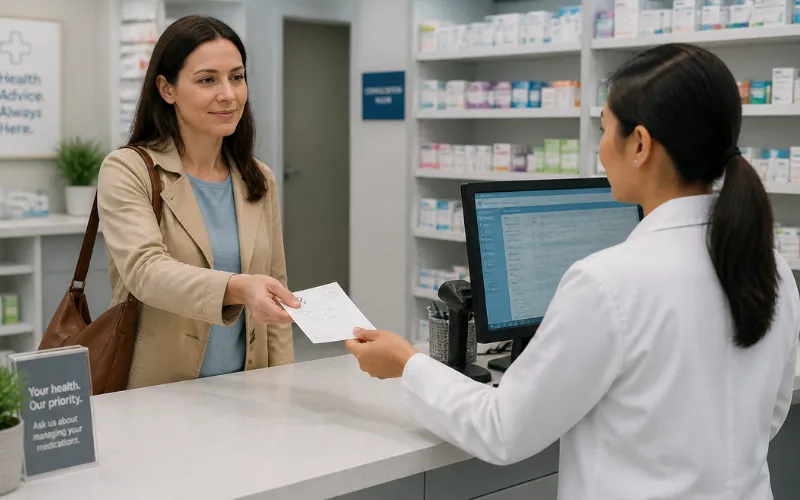
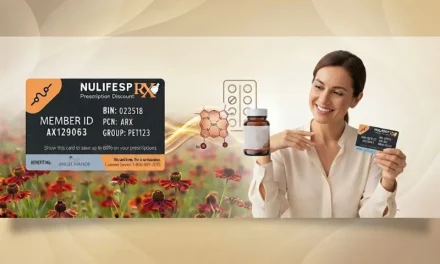
Prescription discount cards help cash-paying patients lower drug costs by leveraging negotiated bulk discounts through pharmacy benefit managers (PBMs). When you present the card at the pharmacy, it is processed like insurance using bin numbers, and the discount applies instantly at checkout with no registration required.
Savings work because pharmacies share a percentage with PBMs and discount providers. By choosing the right pharmacy and presenting your card, you can find the lowest price on almost any medication.
Legitimate Discount Card Features
A legitimate discount card offers a range of benefits designed to help you save on everyday purchases. Here are the key features to look for:
No Upfront Payments
Genuine discount cards require no fees, forms, or credit cards. You simply show your card at the pharmacy for instant savings. There are no enrollment barriers, and the cards offer unlimited validity with no expiration dates. Discounts can reach up to 80% on many prescriptions, making them accessible to everyone regardless of insurance status.
Verified Pharmacy Participation
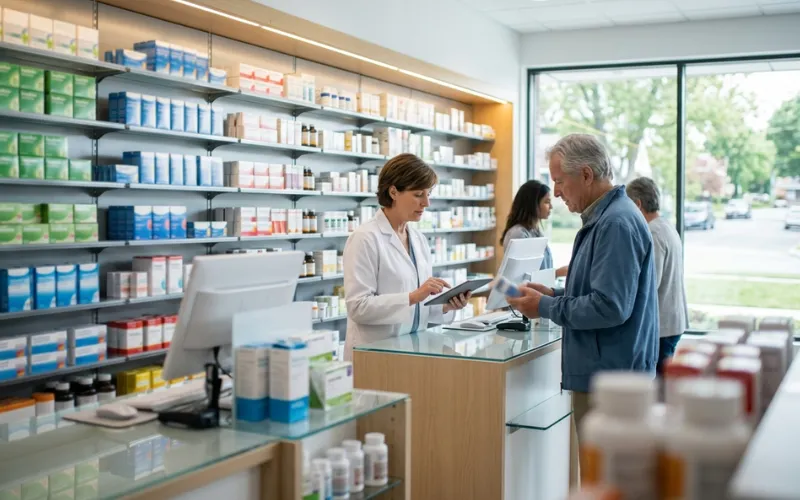
Strong programs are accepted at tens of thousands of pharmacies nationwide, including major chains and independent locations. Pharmacy locators and apps help you confirm acceptance before your visit. Always call ahead to confirm discount availability, since prices can change daily.
Genuine Discounts Offered
You can save between 25% and 80% depending on the medication and provider. These cards are free, with no membership requirements, and cover a broad range of medications including generics, brand names, and pet prescriptions.
| Discount Program | Average Savings Range |
| Well Living Initiative | Up to 80% |
| Prescription Assistance | 25-40% |
Common Misleading Claims in Advertising
Some pharmacies manipulate “usual and customary” prices so that advertised discounts do not reflect what Medicare sees, leading to inflated cost reporting. Ads frequently overstate drug benefits, omit essential risk information, or suggest unproven efficacy.
Phrases like “risk-free” or superiority claims without evidence are red flags. If your medication costs seem unreasonably high, comparing prices across multiple sources is always worth the effort.
Identifying Scam Indicators
Never pay for a prescription discount card. Genuine cards are free and come from reputable sources like pharmacies or healthcare providers.
Be cautious if asked for personal details such as your Medicare number or banking information. Legitimate cards do not require these. Cards claiming to replace your Medicare or insurance coverage are a serious warning sign. Real providers will not use aggressive sales tactics or guarantee specific savings amounts. Verify savings claims with local pharmacies before committing.
Reported Scams and Fraudulent Activities
Scams targeting discount card users are increasingly common, with seniors being particularly vulnerable. Fraudsters impersonate Medicare and insurance providers to steal bank details, often debiting around $300 per victim and leaving them with no working card.
They falsely claim their cards are Medicare-approved or necessary to maintain coverage, neither of which is ever true. The FTC actively pursues these fraudsters to protect consumers from financial fraud and identity theft.
Tips for Consumer Protection
Verify the card provider’s legitimacy before use. Research their website, contact customer support, and confirm the card clearly states it is not insurance.
Compare prices with and without the card, and use your health insurance first whenever possible. Choose cards that require no personal information, verify pharmacy acceptance beforehand, and avoid any card that charges fees or makes exaggerated savings claims.
Evaluating Effectiveness of Discount Cards
Discount cards can cut out-of-pocket costs by as much as 85% on generics. They are most valuable when you are uninsured, in a coverage gap, or paying cash for a non-formulary drug. If you are trying to afford prescriptions without insurance, a legitimate discount card is one of your most accessible options.
- Savings Potential: Up to 85% on generic drugs
- Best Use Cases: Cash payments or non-formulary drugs
- Limitations: Less effective for newer brand-name or rare medications
Comparing Alternatives for Savings
Several free discount programs offer strong savings at large pharmacy networks with no membership required. Use apps and price comparison tools to find the best deal for each prescription you need to fill.
Prices at large chains like Walmart can also vary significantly by location. Understanding why Walmart pharmacy prices vary helps you shop smarter across all your options and avoid overpaying at the counter.
How to Verify Card Legitimacy
Check Pharmacy Participation
Use discount card apps or websites to search nearby participating locations. Enter your medication details and zip code, then call the pharmacy directly to confirm acceptance. Prices can change daily, so always verify in real time before your visit. Not all independent pharmacies participate due to differences in PBM negotiations.
- Use discount card apps for location searches
- Call pharmacies directly to confirm card acceptance
- Check real-time prices before your visit
- Confirm with the pharmacist how the card is processed
Understand Card Limitations
These cards cannot be combined with insurance to lower costs. They do not count toward your deductible or out-of-pocket maximum. Medicare users can use them during coverage gaps but not alongside a Part D plan. Most discounts apply to older generics; newer medications remain costly even with a card. Be aware of any usage caps, fees, or regional legal restrictions.
Verify Card Provider
Medicare beneficiaries can verify approved discount cards through medicare.gov or by calling 1-800-MEDICARE. Check the Better Business Bureau and local consumer protection agencies for any provider’s background. Never share your Social Security number or bank account details to obtain a discount card.
- Check official approval through Medicare’s resources
- Research company reputation with consumer protection agencies
- Confirm pharmacy acceptance with local pharmacists
- Test discounts in person before relying on the card
- Avoid unsolicited offers or any card with upfront fees
Frequently Asked Questions
Do prescription discount cards cover over-the-counter medications?
No, prescription discount cards do not cover over-the-counter medications. They are designed exclusively for prescription drugs. Always review the card’s terms to understand exactly what is and is not covered before using it.
Are discounts available for pet medications with these cards?
Yes, some discount cards apply to pet medications. You can save up to 87% on generics when your vet prescribes a human-equivalent drug. Using a human pharmacy discount card for dogs works the same way as filling a standard prescription at a retail pharmacy.
How are discount percentages calculated for each drug?
Discount percentages are calculated off the Average Wholesale Price (AWP) or Wholesale Acquisition Cost (WAC). PBMs negotiate these discounts, which typically range from 15% to 80% depending on the drug type and agreements in place between the provider and pharmacy network.
Can I use multiple discount cards at once for more savings?
No, pharmacies only allow one discount card per prescription. Consult with the pharmacist to determine the lowest price available. You will need to choose between using a discount card or your insurance for each individual transaction.
What should I do if my card is lost or stolen?
Report it to the issuer right away to prevent misuse. Contact customer service for a replacement. Most providers allow you to complete a basic online form to request a new card without sharing sensitive financial information.
Conclusion
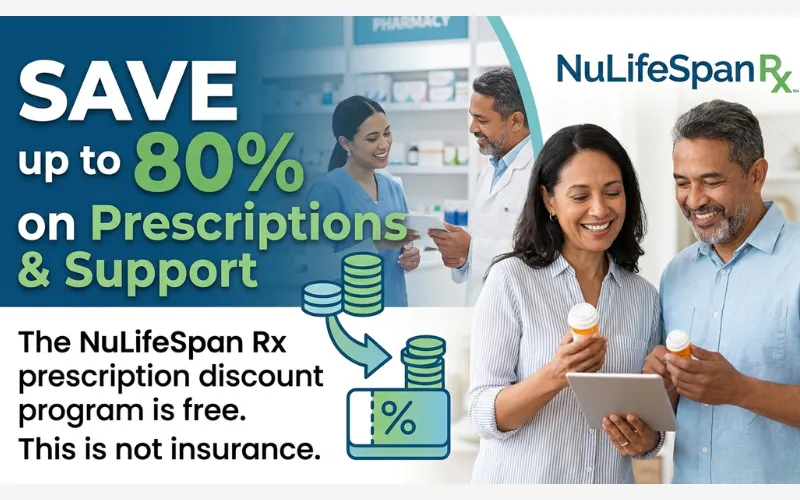
Genuine prescription discount cards can meaningfully reduce what you pay at the pharmacy, but staying informed is essential. Always verify the card provider, confirm pharmacy acceptance, and never share personal financial information to obtain a card. These tools are designed to complement your insurance, not replace it. NuLifeSpan Rx offers a free, legitimate discount card you can start using right away to lower your prescription costs.
Written by the NuLifeSpan Rx team, dedicated to helping patients find affordable prescription solutions.