If you take a selective serotonin reuptake inhibitor, or SSRI, and you don’t have prescription drug coverage, the price you pay can depend heavily on which pharmacy you walk into. Before you assume a medication is out of reach, it’s worth comparing pharmacy prices, since the same generic sertraline prescription can cost a few dollars at one pharmacy and several times that a few blocks away. A free tool like the NuLifeSpan Rx pricing search can do that comparison for you in seconds.
SSRIs are among the most commonly prescribed treatments for depression and anxiety in the United States, according to the National Institute of Mental Health. This guide covers what SSRIs actually cost, why generics are so much cheaper than brand names, a few clinically relevant differences between them worth knowing before you shop by price alone, and practical ways to bring the cost down without changing your treatment plan on your own.
Why Generic SSRIs Are So Affordable
Every SSRI covered in this guide has been off patent for years, some for well over a decade. Once a brand-name drug loses patent protection, multiple manufacturers can produce the same active ingredient, and competition between them drives the price down substantially. That’s the main reason generic sertraline can cost a few dollars while brand-name Zoloft for the same dose runs into the hundreds.
Some large pharmacy chains, including Walmart and Costco, also include several generic SSRIs on their $4-for-30-days or $10-for-90-days generic drug lists. Availability depends on your dose and location, so it’s worth asking your pharmacist whether your specific prescription qualifies before assuming it doesn’t.
What SSRIs Cost Without Insurance
The table below shows typical monthly cash-price ranges for a standard 30 day supply at common doses. You can check the current price for your exact medication and dose using the NuLifeSpan Rx drug search, since actual prices vary by pharmacy, location, dose, and whether a discount card is used.
| Medication (generic) | Brand Name | Typical Generic Cash Price (30-day) | Typical Brand Cash Price (30-day) |
| Sertraline | Zoloft | $4 to $20 | $200 to $300+ |
| Escitalopram | Lexapro | $8 to $25 | $300 to $400+ |
| Fluoxetine | Prozac | $4 to $18 | $180 to $260+ |
| Citalopram | Celexa | $4 to $18 | $150 to $220+ |
| Paroxetine | Paxil | $8 to $25 | $200 to $300+ |
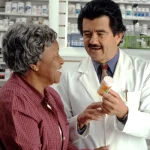
Because every drug on this list has a generic version, most patients paying brand-name prices are doing so either by request, because a prescriber specifically wrote the prescription as brand-only, or because a pharmacy defaulted to filling it that way. It’s worth asking your pharmacist directly whether a generic substitution is available.
Does It Matter Which SSRI You’re On
Cost aside, SSRIs aren’t fully interchangeable, and which one makes sense for you is a clinical decision between you and your prescriber rather than a pricing question. A few general, widely cited patterns are worth knowing when you’re weighing options with your prescriber:
- Sertraline and escitalopram are commonly considered first-line options for both depression and anxiety, and both have long-established generics.
- Fluoxetine has a notably longer half-life than other SSRIs, which some prescribers use as a reason to prefer it when discontinuation symptoms are a concern.
- Paroxetine tends to be associated with more discontinuation symptoms than other SSRIs when stopped abruptly.
None of this means one SSRI is simply “better” than another. Effectiveness varies by individual, and switching medications on your own isn’t advisable. Bring cost concerns to your prescriber directly rather than adjusting your prescription without medical guidance.
Budgeting for the Weeks Before It Works, Not Just the Pill
SSRIs typically take four to eight weeks to reach their full effect, and most prescribers schedule follow-up visits during that window to check how you’re responding and adjust the dose if needed. If you’re paying cash, it’s worth planning for two or three prescriber visits in the first few months in addition to the medication cost itself. The prescription is usually the smaller line item; the visits add up too.
Ways to Lower Your SSRI Cost Without Insurance
- Confirm you’re getting the generic. Ask your prescriber to write the prescription as generic unless there’s a specific clinical reason not to substitute.
- Use a free prescription discount card. NuLifeSpan Rx’s discount card is accepted at more than 35,000 pharmacies nationwide, has no enrollment fee, and can be used whether or not you have insurance.
- Compare pharmacies before you fill. Because pricing varies so much by location, it’s worth checking a few nearby pharmacies, particularly if you’re new to a medication or just moved.
- Ask about a 90-day supply. Many pharmacies and mail-order options price a 90-day supply lower per dose than a monthly refill.
- Look into patient assistance programs. If cost is a barrier even after these steps, some manufacturers offer assistance for patients who qualify. See our overview of patient assistance programs for what to expect.
What If Your Insurance Doesn’t Cover the SSRI You Need
If you do have insurance but your plan doesn’t cover a particular SSRI, or covers it only at a high copay tier, you have a few options. Your prescriber’s office can sometimes request a formulary exception or handle a prior authorization on your behalf. In other cases, it may simply be cheaper to pay cash with a discount card than to run the prescription through insurance at all, especially before you’ve met your deductible. Comparing both prices at the counter before you decide is a reasonable habit to build.
Ready to see what you’d pay? Compare prices near you and download the free NuLifeSpan Rx app or card before your next fill.
Frequently Asked Questions
Is sertraline the cheapest SSRI?
Generic sertraline is usually one of the lower-cost SSRIs at most pharmacies, along with generic fluoxetine and citalopram, though exact pricing depends on your pharmacy and location.
Can I use a prescription discount card if I already have insurance?
Yes. A discount card isn’t insurance, so there’s no conflict with using one. Some patients find the discount card price is actually lower than their insurance copay, particularly before meeting a deductible.
Why is brand-name Lexapro so much more expensive than generic escitalopram?
Brand-name medications carry the original manufacturer’s pricing, while generics are produced by multiple manufacturers once a patent expires, which drives the price down substantially. Escitalopram has been available generically for years, so most patients have no clinical reason to pay brand pricing.
Are there programs to help pay for antidepressants if I have no insurance at all?
Some manufacturers offer patient assistance programs for eligible patients, and community health centers and sliding-scale clinics may also help. A free discount card can also bring the cash price down significantly in the meantime.
Does a prescription discount card work at my regular pharmacy?
Most major chains and thousands of independent pharmacies accept widely used discount cards. You can check whether your pharmacy participates before your next fill.