Rx is the abbreviation for the Latin word “recipe,” meaning “take” or “take this.” It appears at the top of every prescription as an instruction from the prescriber to the pharmacist, indicating that what follows should be dispensed to the patient. The symbol is centuries old, deeply embedded in medical and pharmaceutical practice, and far more layered in meaning than most patients realize.
The Latin Origins of Rx
The Rx symbol traces back to the Latin word “recipe,” the imperative form of “recipere,” which means to receive or take. In medieval medical manuscripts, physicians wrote “Recipe:” at the beginning of a prescription as a directive to the apothecary: take these ingredients and prepare them in the following way.
Over centuries, the full word was abbreviated to a capital R with a line crossing the descending stroke, forming the symbol now recognized globally. That crossed leg is sometimes interpreted as a nod to Jupiter, the Roman god associated with healing, though the more widely accepted explanation is simply that it is a stylistic abbreviation of the Latin word itself.
The transition from handwritten Latin instructions to printed prescription pads and now to electronic prescribing systems has not changed the fundamental meaning. Rx still signals that a licensed prescriber has authorized a specific medication, dose, and dispensing instruction for a named patient.
What a Prescription Actually Contains
The Rx symbol is just the opening marker. Everything that follows on a prescription serves a specific functional purpose, and understanding the structure helps patients verify that what they receive at the pharmacy matches what was prescribed.
A standard prescription includes:
- The prescriber’s name, credentials, address, and contact information
- The patient’s full name, date of birth, and sometimes address
- The date the prescription was written
- The drug name, either brand or generic, and the specific formulation
- The strength or concentration of the medication
- The quantity to be dispensed
- The dosage instructions, often abbreviated using Latin shorthand
- The number of refills authorized, if any
- The prescriber’s signature and, for controlled substances, their DEA number
Each element serves a verification function. Pharmacists cross-check every component before dispensing. Discrepancies between what is written and what is on file for the patient can trigger a call back to the prescriber before the prescription is filled.
Common Latin Abbreviations on Prescriptions
Rx is not the only Latin holdover on a prescription. The shorthand used for dosing instructions also comes from Latin, and while most pharmacies print plain-language instructions on the label, understanding the abbreviations helps patients confirm their label matches the original order.
Frequently seen prescription abbreviations and their meanings:
- sig: from “signa,” meaning write or label, introduces the patient instructions
- qd or qday: once daily
- bid: twice daily
- tid: three times daily
- qid: four times daily
- prn: as needed
- ac: before meals
- pc: after meals
- hs: at bedtime
- po: by mouth
- sl: under the tongue
- disp: dispense
- qty: quantity
- NR or NRF: no refills
The persistence of Latin abbreviations in prescribing is a matter of historical convention. Most countries have moved toward plain-language prescribing for patient safety reasons, since misread abbreviations have been a documented source of medication errors. Electronic prescribing systems have largely replaced handwritten Latin shorthand in clinical practice.
The Difference Between Rx and OTC
The Rx designation on a medication indicates it requires a valid prescription from a licensed prescriber before a pharmacist can legally dispense it. Over-the-counter medications, abbreviated OTC, can be purchased directly by the consumer without a prescription.
The distinction is not arbitrary. A medication is classified as prescription-only when:
- Its safe use requires professional diagnosis and monitoring
- It carries a risk of misuse, dependency, or serious side effects that require clinical oversight
- It has a narrow therapeutic window where the difference between an effective dose and a harmful one is small
- Its use requires ruling out contraindications or interactions with other medications the patient takes
Some medications move between Rx and OTC status as regulators accumulate safety data. A drug that once required a prescription may be reclassified as OTC when long-term use data demonstrates it can be used safely without professional supervision. The reverse is also possible, though less common.
Understanding this distinction matters when thinking about why certain medications cost significantly more than others. Prescription medications carry the infrastructure cost of prescriber oversight, pharmacy dispensing verification, and regulatory monitoring that OTC products do not, all of which contribute to the price at the counter.
What Happens Between the Prescription and the Pharmacy Counter
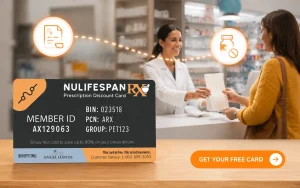
Most patients hand over a prescription or confirm an electronic send and return later to pick up their medication. The process happening between those two moments involves more verification steps than most people realize.
When a pharmacist receives a prescription, the workflow typically includes:
- Verifying the prescriber’s credentials and DEA number for controlled substances
- Checking the patient’s medication history for potential drug interactions
- Confirming the dose falls within clinically appropriate ranges for the indication
- Running an insurance or discount card adjudication to determine the patient’s cost
- Preparing the medication and labeling it with plain-language patient instructions
- A final verification check, either by the dispensing pharmacist or a second pharmacist, before the medication is handed to the patient
This process is why what pharmacists know but are not always required to share can affect what you pay. The adjudication step determines your price, but whether that price is the lowest available to you, through insurance, a discount card, or a cash price comparison, depends on what information you bring to the counter.
How the Rx Symbol Connects to Prescription Drug Costs
The Rx designation on a medication is directly connected to how it is priced and accessed. Prescription drugs operate within a pricing infrastructure that includes manufacturer pricing, pharmacy benefit manager negotiations, insurance formulary placement, and pharmacy markup. None of that infrastructure applies to OTC products in the same way.
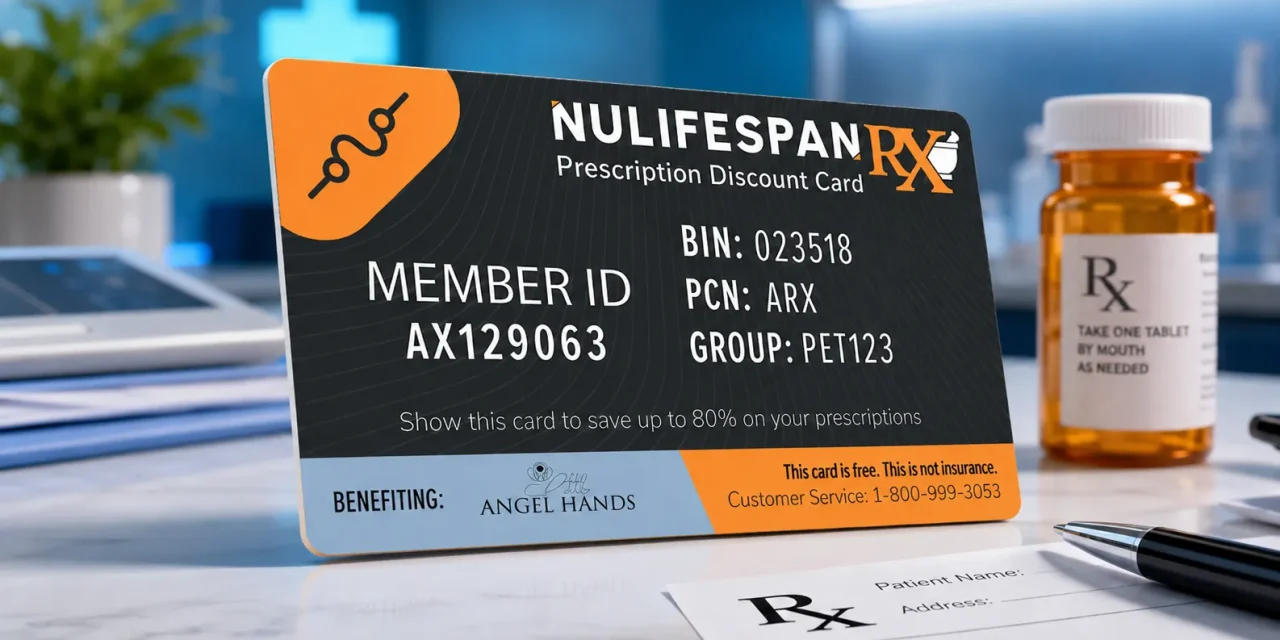
How free prescription discount cards reduce what patients pay works specifically within this Rx infrastructure. The card accesses pre-negotiated rates that exist because of the formal pharmacy network contracts that govern prescription drug dispensing. Those rates are not available on OTC purchases precisely because OTC products are not processed through the same dispensing and adjudication system.
Understanding what Rx means is therefore not just etymological trivia. It is the starting point for understanding why prescription medications vary so much in price between pharmacies, why a discount card can produce dramatically different prices at different locations for the same drug, and why the process of filling a prescription involves more steps than simply handing over a piece of paper and receiving a bottle.
Rx and Controlled Substances: An Important Distinction
Not all Rx medications are treated the same way by the pharmacy or the legal system. Controlled substances, classified under the DEA’s scheduling system from Schedule I through Schedule V, carry additional requirements that reflect their potential for misuse or dependency.
Key differences for controlled substance prescriptions:
- Schedule II medications, including stimulants like Adderall and opioids like oxycodone, cannot be refilled and require a new prescription for each supply
- Some states require paper prescriptions with specific security features for Schedule II drugs, even as electronic prescribing has become standard
- Prescribers must include their DEA registration number on controlled substance prescriptions
- Pharmacies maintain separate inventory records for Schedule II and III controlled substances
- Some states impose quantity limits or mandatory prescription monitoring program checks before dispensing
These requirements exist independently of the Rx symbol but apply to a significant portion of the prescriptions patients fill. Affording prescription medications without insurance for patients on controlled substances involves the same discount card and pharmacy comparison strategies that apply to other medications, though the additional regulatory requirements mean some pricing flexibility that exists for non-controlled drugs does not apply.
The Rx Symbol in Pharmacy Branding and Culture
Beyond its clinical meaning, the Rx symbol has become an almost universal shorthand for pharmacy, healthcare, and medicine in commercial and cultural contexts. It appears on pharmacy signage, medical logos, and healthcare branding globally precisely because its meaning is immediately understood.
This ubiquity has occasionally created confusion about what the symbol actually means. Some patients interpret Rx as simply meaning “medication” or “pharmacy” without understanding the prescriptive instruction embedded in its origin. Others encounter the symbol on discount cards, insurance cards, and pharmacy benefit materials and wonder whether it carries legal or clinical significance in those contexts.
In those non-prescription contexts, Rx is being used as a shorthand for the pharmaceutical domain rather than as a literal prescribing instruction. The clinical meaning remains specific to the formal prescription document.
Rx Across Different Healthcare Settings
The Rx symbol and its underlying prescribing framework function consistently across different healthcare settings, but the practical experience of filling a prescription varies depending on where care is delivered.
Settings where Rx prescriptions originate:
- Primary care offices, for routine medications, preventive treatments, and ongoing chronic condition management
- Specialist offices, including cardiologists, dermatologists, endocrinologists, and oncologists, for condition-specific medications
- Emergency departments and urgent care centers, for acute treatments and short-course medications
- Telehealth platforms, which can now prescribe most non-controlled medications electronically in most states
- Inpatient hospital settings, where medications are dispensed internally and the patient receives a prescription for ongoing use upon discharge
Each setting produces the same formal Rx document, but the circumstances around it differ. A discharge prescription from a hospital, for instance, may cover a bridging supply until the patient can see a primary care provider. Understanding that the same Rx process applies regardless of the clinical setting helps patients navigate the pharmacy visit that follows each encounter.
Comparing prices across pharmacies before filling any prescription applies equally whether the Rx came from a telehealth visit, an emergency department discharge, or a routine annual checkup. The source of the prescription does not affect the price comparison process.
Frequently Asked Questions
Does Rx always mean prescription required
Yes, in a clinical and legal context. When Rx appears on a medication label or packaging, it indicates the drug requires a valid prescription from a licensed prescriber for a pharmacist to legally dispense it. In non-clinical branding contexts, Rx is used more loosely as a general symbol for pharmacy or medication.
What is the difference between Rx and Tx in medical abbreviations
Rx refers to prescription or treatment directive. Tx is the abbreviation for treatment or therapy in general. A physician might use Tx in notes to indicate the overall treatment approach for a condition, while Rx refers specifically to a medication being prescribed as part of that treatment.
Can Rx prescriptions be transferred between pharmacies
Yes, for most non-controlled medications. A pharmacist can transfer a prescription with refills remaining to another pharmacy at the patient’s request. Schedule II controlled substances cannot be transferred. Some states restrict transfers for Schedule III through V controlled substances to a single transfer.
Why do some prescriptions say DAW or dispense as written
DAW is an instruction from the prescriber indicating the pharmacist must dispense the brand-name drug rather than substituting a generic equivalent. It stands for dispense as written. Prescribers use it when they have a clinical reason to specify the brand, though in most cases where a DAW instruction is absent, pharmacists can substitute an approved generic.
Is an electronic prescription legally the same as a paper one
Yes. Electronic prescriptions carry the same legal weight as handwritten paper prescriptions in all U.S. states for most medications. For Schedule II controlled substances, electronic prescribing is now the standard in most states and is required in several. The prescriber’s electronic signature and DEA credentials serve the same verification function as a handwritten signature on paper.
The Bottom Line
Rx is one of the oldest abbreviations in medicine, carrying a Latin instruction across centuries into every prescription filled today. Its meaning, take this medication as directed, has not changed. What has changed is the infrastructure surrounding it: electronic prescribing, pharmacy benefit managers, discount card networks, and insurance formularies have all built on the foundation of that original directive. Understanding what Rx means is the starting point for understanding how the prescription drug system works and how to navigate it to pay less for the medications it authorizes.