An osteoporosis diagnosis brings two challenges at once, protecting your bones and paying for the treatment that protects them. Osteoporosis medication costs without insurance vary more widely than almost any other category of long-term prescriptions, because treatment options range from inexpensive weekly generic pills to specialty injections administered in a clinic. If you are paying cash, there is real help for uninsured or underinsured patients, and this guide maps out every cost factor and every legitimate way to bring the total down.
Why Osteoporosis Treatment Costs Vary So Widely
The price you pay depends on the medication name, whether it is generic or brand, the dosage and quantity, the pharmacy, your ZIP code, and whether any discount or assistance applies. It also depends on something unique to osteoporosis care, which is where the treatment is given.
A pill you pick up at a retail pharmacy follows one pricing path. An injection given in your doctor’s office follows another, and an infusion delivered through an IV at a clinic follows a third. Understanding which path your treatment follows is the first step to predicting your cost.
Oral Generic Medications Versus Branded Treatments
The most commonly prescribed osteoporosis medications are oral bisphosphonates, a class of drugs that slows bone loss. Several are available as lower-cost generics:
- Alendronate (generic for Fosamax), usually taken weekly
- Risedronate (generic for Actonel)
- Ibandronate (generic for Boniva), also available as an injection
Generic oral bisphosphonates typically sit at the affordable end of the spectrum, even at cash prices. Branded and specialty treatments occupy the higher-cost end. These medication names are educational examples, not recommendations. Your healthcare provider selects treatment based on your bone density results, fracture history, kidney function, and overall health. The NIH overview of osteoporosis diagnosis and treatment explains how providers make these decisions.
Injectable and Infused Osteoporosis Treatments
Beyond oral pills, several medication categories are given by injection or infusion:
- Intravenous bisphosphonates, such as zoledronic acid, infused once a year at a clinic or infusion center
- RANK ligand inhibitors, such as denosumab, injected in a medical office every six months
- Parathyroid hormone analogs, such as teriparatide and abaloparatide, daily self-injections that build new bone
- Sclerostin inhibitors, such as romosozumab, monthly injections given in a medical office
- Selective estrogen receptor modulators, such as raloxifene, which are actually oral pills and available as a generic
Injectable and infused treatments are generally in the higher-cost brand category, though some, like zoledronic acid, now have lower-cost generic versions. The trade-off is convenience and adherence, since a once-yearly infusion replaces 52 weekly pills.
The Hidden Costs Beyond the Medication
The medication itself is only part of the bill. Without insurance, you may also pay for office visits, the administration fee for an injection or infusion, periodic bone density scans, and lab tests that monitor kidney function and calcium levels.
When you compare treatment options with your provider, ask about the total yearly cost of each path, not just the drug price. A cheaper medication that requires more monitoring can sometimes cost more overall, and the reverse is also true.
Pharmacy-Benefit Medications Versus Medical-Benefit Medications
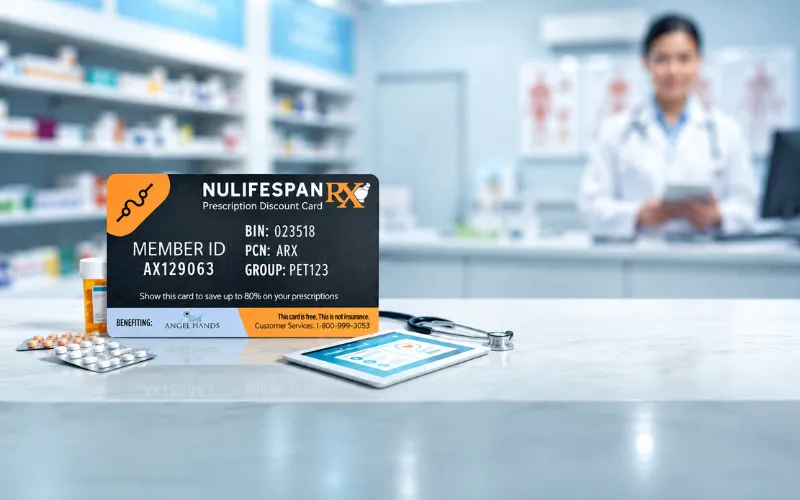
This distinction matters enormously for anyone paying out of pocket. Prescriptions you fill yourself at a retail pharmacy, such as oral bisphosphonates or self-injected pens, are pharmacy-benefit medications. Treatments a clinician administers, such as infusions and office injections, are usually billed as medical services under different payment rules.
A prescription discount card applies to eligible medications dispensed at participating retail pharmacies. It does not apply to every injectable or clinician-administered treatment, because those are often billed through the medical side rather than the pharmacy counter. If your provider recommends an office-administered treatment, ask the billing department for the cash price of the drug plus administration before your first appointment.
Compare Generic and Brand Options With Your Provider
If you are quoted a high price for a brand medication, ask your provider two questions. First, is there an FDA-approved generic version of this exact medication? Second, is there a lower-cost medication in the same class or a different class that would be appropriate for my situation?
The FDA’s generic drug overview confirms that approved generics match their brand counterparts in strength, quality, and effect. Never substitute or switch on your own, since osteoporosis medications have specific dosing rules and safety considerations that your provider must manage.
Compare Prices at Multiple Pharmacies
For pharmacy-dispensed osteoporosis medications, cash prices differ significantly between pharmacies in the same area. Chains, grocery pharmacies, and independents each set their own prices, and the spread on generics can be surprisingly large.
Before you fill a prescription, check two or three nearby options. This guide to finding the lowest medication price walks through the comparison process, and a prescription savings app lets you check prices by ZIP code from home.
Using a Prescription Discount Program
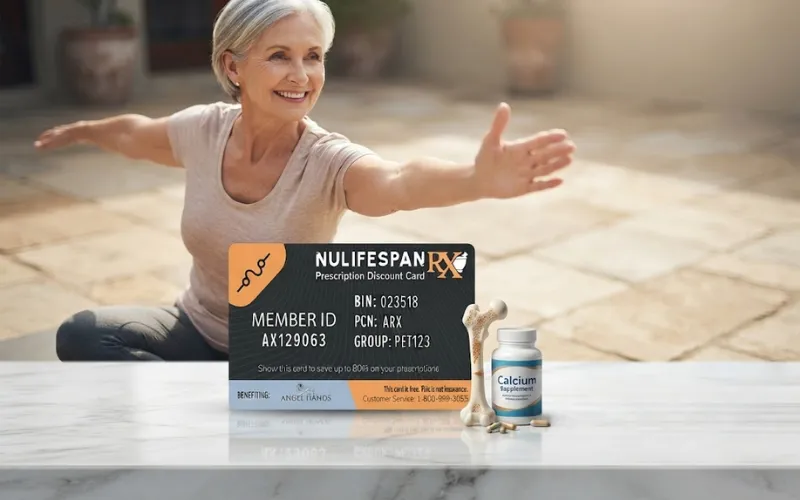
NuLifeSpan Rx is a free prescription discount program, not health insurance and not a Medicare prescription drug plan. For eligible prescriptions filled at participating retail pharmacies, members can save up to 80%, with actual savings varying by medication, dose, quantity, and pharmacy.

For uninsured patients, the discount price competes directly with the pharmacy’s cash price, so ask the pharmacist to compare both before paying. If you have any coverage, also compare your copay, and remember that a discount card and insurance generally cannot be applied to the same transaction, and discount purchases generally do not count toward a deductible or out-of-pocket maximum. The program does not always provide the lowest price, which is why the pharmacist comparison is the step that protects your wallet.
Manufacturer Patient Assistance Programs
For expensive brand-name and injectable osteoporosis treatments, most manufacturers operate patient assistance programs that provide medication at reduced or no cost to eligible uninsured patients. Income limits apply, and applications usually require proof of income and a provider signature.
Your provider’s office staff often knows these programs well and can help you apply. For higher-cost treatments like RANK ligand inhibitors or bone-building injections, assistance programs can be the difference between affording treatment and going without.
Community Health Centers and Nonprofit Help
Federally funded community health centers provide care on a sliding fee scale based on income, including prescriptions in many locations. Nonprofit organizations focused on medication access and state pharmaceutical assistance programs may also help with osteoporosis prescriptions.
Your county health department or local Area Agency on Aging can point you to programs in your area. The National Institute on Aging’s osteoporosis guide is also a trustworthy starting point for understanding the condition and its treatment options.
Ask About Longer Prescription Quantities
For oral osteoporosis medications you take long term, a 90-day supply often costs less per dose than a 30-day supply. Ask your provider whether a longer prescription is appropriate, then confirm with the pharmacist that the 90-day cash or discount price actually saves money in your case.
Budgeting for Calcium and Vitamin D
Providers often discuss calcium and vitamin D intake as part of osteoporosis care, and over-the-counter products are an out-of-pocket expense that adds up over a year. Prices vary widely by brand, form, and store, so comparing options is worthwhile.
This article does not recommend any supplement or dose. Whether you need supplementation, and how much, depends on your diet, lab results, and health conditions, so follow your healthcare provider’s specific guidance.
Do Not Let Cost Stop Your Treatment
Untreated osteoporosis raises the risk of fractures, and a hip or spine fracture carries physical, emotional, and financial costs that dwarf the price of medication. If you cannot afford your prescribed treatment, tell your provider before stopping or delaying it.
Between generics, discount programs, manufacturer assistance, community health centers, and alternative medications within the same class, a workable path usually exists. Your provider cannot help solve a cost problem they do not know about.
The Bottom Line
Osteoporosis medication costs without insurance depend on which medication you take and where it is administered, with generic oral bisphosphonates at the affordable end and clinic-administered specialty treatments at the higher end. Compare pharmacy prices, ask about generics and longer supplies, apply for manufacturer assistance when brand treatments are prescribed, and use a free discount card for eligible pharmacy prescriptions. Get your free NuLifeSpan Rx card today and check the price of your osteoporosis prescription at participating pharmacies near you.
Frequently Asked Questions
What is the cheapest osteoporosis medication without insurance?
Generic oral bisphosphonates, such as alendronate and risedronate, generally fall into the lowest-cost category of osteoporosis treatments at cash prices, though the exact amount depends on dose, quantity, pharmacy, and ZIP code. Which medication is appropriate for you is a medical decision, so discuss cost concerns with your healthcare provider rather than choosing based on price alone.
Does a prescription discount card work for osteoporosis injections?
It depends on how the treatment is dispensed. Discount cards apply to eligible prescriptions filled at participating retail pharmacies, which can include some self-injected medications. Injections and infusions administered by a clinician are usually billed as medical services under different payment rules, so ask the provider’s billing office for the cash price of those treatments instead.
Why does the same osteoporosis pill cost different amounts at different pharmacies?
Each pharmacy sets its own cash prices, and negotiated discount rates vary by chain, location, and region. Dose and quantity also affect the total. For a long-term prescription, that spread compounds every month, so checking prices at two or three nearby pharmacies before your first fill can meaningfully lower your yearly spending.
Can I get help paying for expensive brand-name osteoporosis medications?
Yes. Most manufacturers of higher-cost brand and injectable osteoporosis treatments run patient assistance programs that provide medication at reduced or no cost to eligible uninsured patients who meet income requirements. Community health centers with sliding fee scales and state pharmaceutical assistance programs may also help. Your provider’s office staff can usually assist with applications.
Is it safe to stop my osteoporosis medication if I cannot afford it?
Do not stop or delay treatment because of cost without speaking with your healthcare provider first. Untreated osteoporosis increases fracture risk, and fractures carry serious health and financial consequences. Tell your provider about the cost problem, because alternatives usually exist, including generics, different medications in the same class, assistance programs, and discount pricing at retail pharmacies.
Do I need insurance to use a prescription discount program?
No. Prescription discount programs are free to use and do not require insurance, which makes them especially useful for uninsured and underinsured patients paying cash. Savings vary by medication and participating pharmacy, and the discount price is not always the lowest available option, so ask your pharmacist to compare it with the cash price before completing your purchase.