IBS and IBD medication costs without insurance can differ by thousands of dollars a month. Many irritable bowel syndrome (IBS) prescriptions are generics or oral brand-name drugs. Inflammatory bowel disease (IBD) treatment, by contrast, can involve specialty biologics. If you are paying for prescriptions without insurance, knowing your medication’s pricing tier helps you plan.
This guide covers pricing, not treatment choices. Your actual price depends on the drug, generic or brand status, dose, formulation, quantity, pharmacy, location, manufacturer programs, and available discounts.
IBS vs. IBD: Why Medication Costs Are Different
IBS is a disorder of gut-brain interaction. It causes pain, bloating, diarrhea, or constipation without damaging the intestinal lining. IBD covers Crohn’s disease and ulcerative colitis, which involve chronic immune-driven inflammation. The Crohn’s & Colitis Foundation notes that IBD often requires ongoing maintenance treatment.
That medical difference shapes cost in two main ways. IBS prescriptions usually target symptoms of a specific subtype and are mostly oral pills. IBD treatment aims to control inflammation long term, and it may move from inexpensive generics to biologics that require lab monitoring, infusions, or specialty pharmacies.

Common IBS Medications and Their Cost Factors
The NIDDK overview of IBS treatment and the American College of Gastroenterology’s IBS treatment list group prescriptions by symptom pattern.
Generic status drives most of the price gap. Antispasmodics such as dicyclomine are older generics. Medications for IBS with constipation (IBS-C) and IBS with diarrhea (IBS-D) include several brand-only drugs. Linzess has no U.S. generic, and patent settlements put the earliest licensed generic in 2029.
| Medication | Generic/Brand | Common role | Major cost factors | Generic available? | Cost-saving considerations |
|---|---|---|---|---|---|
| Dicyclomine | Generic | Antispasmodic | Strength, quantity | Yes | Usually low-cost |
| Linaclotide (Linzess) | Brand | IBS-C | Brand exclusivity, strength | No (earliest 2029) | Check manufacturer program rules |
| Lubiprostone (Amitiza) | Generic and brand | IBS-C in adult women | Capsule count | Yes | Generic often far cheaper |
| Rifaximin (Xifaxan) | Brand; generic approved 2026 | IBS-D | Tablets per course, stock | Approved; availability varies | Ask if generic is stocked |
| Eluxadoline (Viberzi) | Brand | IBS-D | Brand pricing | Check current status | Compare pharmacies |
| Alosetron | Generic | Severe IBS-D in women only | Pharmacy markup | Yes | Prices vary widely |
Common IBD Medication Categories and Costs
Aminosalicylates, corticosteroids, and immunomodulators are mostly generic and moderately priced. Mesalamine comes in several release designs, though, and some versions remain brand-only.
Biologics are large proteins made in living cells and given by infusion or injection, so their list prices can run into thousands of dollars monthly. The FDA’s biosimilars page explains that a biosimilar must be highly similar to its reference biologic, with no clinically meaningful differences. Infliximab, adalimumab, and ustekinumab all have biosimilars. The same pattern shows up in arthritis medication costs.
| Category | Examples | Lower-cost versions? | Typical cost position |
|---|---|---|---|
| Aminosalicylates | Mesalamine, sulfasalazine | Many generics | Low to moderate |
| Corticosteroids | Prednisone, budesonide | Generics | Low to moderate |
| Immunomodulators | Azathioprine, methotrexate | Generics | Moderate, plus lab monitoring |
| Biologics | Infliximab, adalimumab, ustekinumab, vedolizumab | Biosimilars for some | High, specialty |
| Targeted oral therapies | Tofacitinib, upadacitinib, ozanimod | Mostly brand-only | High, specialty |
IBS Medication Costs vs. IBD Medication Costs
| Cost factor | IBS | IBD |
|---|---|---|
| Dosage form | Oral | Oral, rectal, injection, infusion |
| Where filled | Retail pharmacy | Retail, specialty pharmacy, or infusion center |
| Treatment length | Often intermittent | Often long-term |
| Highest tier | Brand-only oral drugs | Biologics and targeted therapies |
| Discount card usually applies? | Often | For retail generics; not for infusions |
Why Your Pharmacy Price Can Be Different From Someone Else’s
The cash price of the same prescription varies because each pharmacy has its own acquisition costs, pricing policies, and negotiated discount rates.
Your prescription details matter too. Someone on “the same drug” may have a different strength, quantity, or release design. Generic prices also shift as manufacturers enter or leave the market.
Get quotes for your exact drug, strength, form, and quantity from several pharmacies. This guide on how to find the lowest pharmacy price compares chains, warehouse clubs, and independents.
Generic vs. Brand-Name Digestive Medications
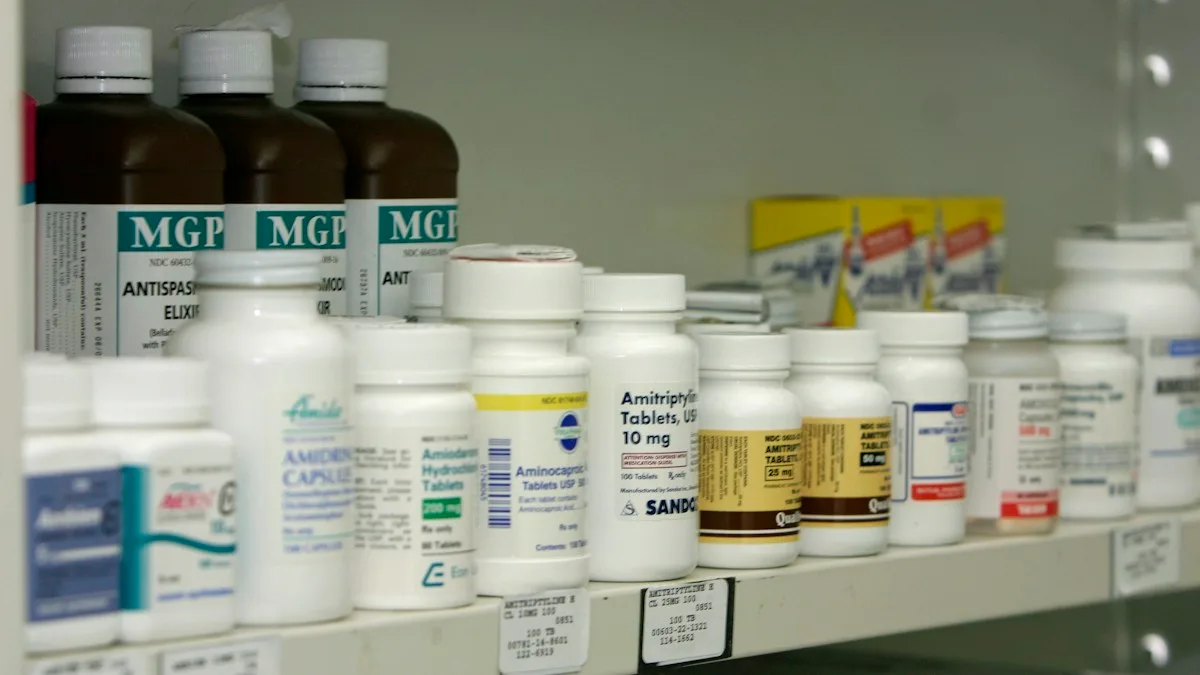
Generics contain the same active ingredient as the brand and meet FDA standards. They cost less because manufacturers compete. Brand-only drugs lack that competition, which explains why some medications cost so much more than others.
Digestive drugs add some nuances. Pharmacists can substitute only a mesalamine product rated equivalent to yours. Biosimilars are not generics, and only biosimilars designated interchangeable can be swapped at the pharmacy where state law allows. Some manufacturers also sell authorized generics below the brand price. Your prescriber decides which option is medically appropriate.
For pricing on ondansetron and similar drugs, see anti-nausea medication costs without insurance.
Digestive medication prices can vary between nearby pharmacies. Search your exact medication, strength, and quantity before you fill.
What If an IBD Medication Costs Thousands of Dollars?
For biologics and targeted therapies, a retail discount card is rarely the full answer. Several other avenues may help, though eligibility is never guaranteed.
Ask about biosimilars and assistance programs
Biosimilars often launch at lower list prices, so ask your gastroenterologist whether one is appropriate for you. Most biologic manufacturers also run patient assistance programs for uninsured people who meet income criteria. Copay cards are different: they generally require commercial insurance.
Check where the drug is billed
Infused biologics are usually billed as a medical service, so pharmacy discount cards generally do not apply. Self-injected biologics typically go through specialty pharmacies. A clinic financial counselor can also check whether you qualify for Medicaid or marketplace coverage.
What IBS and IBD Medication Costs Without Insurance Come Down To
For IBS, the price mostly depends on whether your prescription has a generic. Antispasmodics and generic lubiprostone usually stay affordable once you compare pharmacies. Brand-only drugs such as Linzess and Xifaxan call for a price check and a look at manufacturer program rules before each fill.
For IBD, the deciding factor is the drug category. Mesalamine, steroids, and immunomodulators are mostly retail generics where a discount card can help. Biologics and targeted therapies are a different problem, best handled with your gastroenterologist by asking about biosimilars, patient assistance programs, and coverage options.
Whichever condition you manage, do not adjust or stop a medication because of cost without talking to your prescriber first.
Questions to Ask Your Pharmacist Before Paying Cash
- Is there a generic, authorized generic, or interchangeable biosimilar?
- What is the cash price versus the discount-card price?
- Would a different quantity lower the cost per day?
- Does this require a specialty pharmacy?
- Are you aware of manufacturer assistance programs?
It also helps to know how prescription discount cards work at Walgreens and similar chains.
IBS and IBD medication costs without insurance depend on drug type. For retail prescriptions, pharmacy comparison and discount cards make a real difference. Specialty drugs call for biosimilars, manufacturer assistance, and a review of your coverage options.
For retail IBS and IBD prescriptions, the free NuLifeSpan RX card may lower your price at 35,000+ participating pharmacies, with no insurance required. Savings vary, and the card is not insurance, so compare prices at the counter.
Frequently Asked Questions
How much do IBS medications cost without insurance?
Costs depend mainly on generic status. Generic antispasmodics such as dicyclomine are usually inexpensive, while brand-only drugs such as Linzess can cost hundreds of dollars monthly. Strength, quantity, pharmacy, and location also matter, so compare quotes for your exact prescription.
Why are IBD biologics so expensive?
Biologics are complex proteins made in living cells, which makes them costly to develop, manufacture, and ship. Infusions add facility fees. Biosimilars for several biologics offer lower-priced alternatives, but they remain specialty-priced.
Is there a generic version of Linzess?
Not yet. Linaclotide is available in the U.S. only as brand-name Linzess. Patent settlements allow the first licensed generics no earlier than 2029, subject to FDA approval.
Can I use a discount card for Crohn’s or ulcerative colitis medication?
Often yes, for retail prescriptions such as generic mesalamine, prednisone, or azathioprine. Discount cards generally do not apply to infused biologics, and their use with specialty pharmacy drugs may be limited. Savings vary by drug and pharmacy.
Does a discount card price count toward my deductible?
Generally no. A discount-card purchase is not processed through your insurance plan, so it usually does not count toward your deductible or out-of-pocket maximum. If you have insurance, compare your copay with the discounted price.