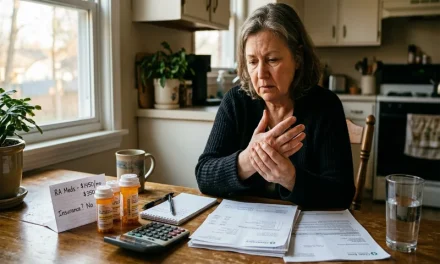
Many older adults take medicines that made sense when they were first prescribed but may no longer be the best fit. A pill started years ago for a short-term problem, a preventive medicine whose benefits have faded, or a drug that now causes more side effects than it solves can quietly stay on the list. Deprescribing is the careful, supervised process of reviewing those medicines and reducing or stopping the ones that no longer help.
The word “careful” matters. Deprescribing is not the same as stopping pills on your own, and for some medicines, quitting suddenly can be dangerous. This guide explains when deprescribing may be considered, why some medicines need to be tapered, and how to prepare for the conversation with your care team. If cost is what is pushing you to cut back, our guides to managing multiple prescriptions as you age and 30-day vs. 90-day prescription supplies offer safer ways to save.
Make Your Current Prescriptions More Affordable
While you and your doctor review which medicines you still need, the ones you keep should not strain your budget. The free NuLifeSpan Rx discount card may lower cash prices at participating pharmacies. It is not insurance, savings vary, and it should never be a reason to skip a prescribed dose.

What Is Deprescribing?
Deprescribing is a planned process in which a prescriber, often working with a pharmacist, identifies medicines whose current or potential harms outweigh their benefits and then reduces the dose, switches to a safer option, or stops the medicine. The decision is based on the whole person: health conditions, current level of function, life expectancy, values, and personal goals. It is a treatment decision in its own right, made with the same care as starting a new medicine.
Deprescribing is also different from saving money by switching to a generic version of a brand-name drug or doing an annual medication cost review. Those steps change what you pay. Deprescribing asks a clinical question: does this medicine still help you enough to be worth its risks?For the medicines you keep, a discount card for underinsured patients may help if your copays are high, and the list of drugs covered shows which medicines the program includes.
Why Deprescribing May Be Considered
A medicine can become a candidate for review for many reasons, and most of them have nothing to do with the medicine being “bad.” Your health, your other prescriptions, and your priorities change over time, and your medication list should change with them.
Polypharmacy and Medication Burden
Polypharmacy usually means regularly taking five or more medicines. According to the National Institute on Aging, about one-third of U.S. adults in their 60s and 70s used five or more prescription drugs in a recent CDC report. Taking many medicines raises the chance of side effects, falls, memory problems, and drug interactions, and it creates a daily burden of schedules, refills, and costs for patients and families. An American Family Physician review on polypharmacy and deprescribing notes that the risk of injurious falls rises with each additional medicine.
When a Medicine May No Longer Be Necessary
Common situations that prompt a review include a medicine started for a short-term problem that was never stopped, a condition that has improved or resolved, two medicines doing the same job, or a medicine added to treat the side effect of another drug. Preventive medicines also deserve a second look as goals change. The NIA gives the example of a person in hospice care, where a cholesterol medicine meant to prevent a future heart attack no longer serves the goal of comfort.
Side Effects and Drug Interactions
Some medicines become harder for the body to handle with age. Sedatives, sleep aids, certain antihistamines, and some pain relievers are more likely to cause dizziness, confusion, or falls in older adults. When a medicine’s side effects begin to outweigh what it does for you, lowering the dose or stopping it under supervision may improve how you feel.
Changes in Health or Treatment Goals
Goals often shift over time. Someone who once focused on preventing problems decades away may now care most about staying alert, avoiding falls, and living independently. Sharing these priorities with your prescriber helps them decide which medicines still support what matters most to you.
Benefits and Potential Risks of Deprescribing
Done well, deprescribing can mean fewer side effects, a simpler daily routine, fewer interactions, and lower out-of-pocket costs. Some people also report feeling clearer and steadier once a sedating medicine is reduced.
It also carries risks that need to be managed. Stopping a medicine can bring on withdrawal symptoms, allow the original condition to return, or leave a condition undertreated. The evidence is also still developing: the AFP review notes that reducing the number of medicines by itself has not been proven to improve outcomes, while removing specific inappropriate medicines is the more established goal. That is why deprescribing focuses on the right medicines for the right person, not on shrinking a list for its own sake.
Compare Costs for Your Updated Medication Plan
After a medication review, your list may include new doses, a different medicine, or fewer prescriptions overall. Use the NuLifeSpan Rx Pricing Tool to compare prices for your updated plan at participating pharmacies before your next refill. Prices vary, and the tool supports, but never replaces, your prescriber’s decisions.

Why Some Medicines Must Be Tapered Gradually
When you take certain medicines every day for weeks or months, your body adapts to them. Stopping suddenly can leave the body without something it has come to rely on, which can trigger uncomfortable or even dangerous reactions. Tapering means lowering the dose in steps over time so the body can readjust, with the pace set by your prescriber and adjusted to how you respond.
Withdrawal Symptoms vs. Return of the Original Condition
Two different things can happen after a medicine is reduced. Withdrawal symptoms are the body’s reaction to losing the drug, and they often appear within days of a dose change. A recurrence is the original condition coming back, such as anxiety, high blood pressure, or pain, and it may take longer to show up. The two can look alike, which is why follow-up visits matter. Your prescriber may pause the taper, adjust the pace, or restart the medicine depending on what is happening.
Medicines That Often Need Careful Tapering
Your prescriber will decide whether and how to taper any medicine, but the following groups commonly require a gradual, supervised approach:
- Benzodiazepines, such as alprazolam, lorazepam, and clonazepam. The FDA warns that stopping them abruptly or reducing the dose too quickly can cause serious withdrawal reactions, including seizures, and that no single tapering schedule fits every patient.
- Antidepressants, including SSRIs such as sertraline. MedlinePlus lists possible symptoms after stopping suddenly, such as dizziness, nausea, mood changes, anxiety, and trouble sleeping.
- Corticosteroids, such as prednisone taken over a longer period. MedlinePlus explains that stopping suddenly may leave the body without enough natural steroid hormones, causing extreme tiredness, weakness, and other symptoms.
- Some heart and blood pressure medicines, such as beta-blockers, which carry label warnings against stopping suddenly in certain heart conditions.
- Opioid pain medicines, some anti-seizure medicines, and sleep medicines, which can also cause withdrawal or a rebound of symptoms when stopped too quickly.
Why Abrupt Discontinuation Can Be Dangerous
Stopping some medicines overnight can do more than cause discomfort. Depending on the drug, it can lead to seizures, a sharp rise in blood pressure or heart rate, severe fatigue from low steroid levels, or a sudden return of the condition being treated. These risks are the main reason deprescribing is always a supervised clinical process. If you are unsure whether a medicine is safe to stop, assume it is not until your prescriber or pharmacist says otherwise.
What a Clinician-Supervised Deprescribing Plan Looks Like
Every plan is individual, but most follow a similar path. Your prescriber leads the process, often with help from a pharmacist.
- Complete medication review. Your care team gathers an accurate list of every prescription, over-the-counter product, and supplement, and confirms why each one was started.
- Identify candidates. They look for medicines with unclear benefit, side effects, duplicate effects, risky interactions, or a mismatch with your current goals.
- Set priorities together. Usually one medicine is changed at a time, starting with those most likely to cause harm or least likely to help.
- Agree on a plan. You and your prescriber decide whether to stop, lower the dose, or switch, and how gradually. You should leave knowing what symptoms to watch for and whom to call.
- Monitor and follow up. Check-ins, by phone or in person, track how you feel and whether symptoms return.
- Update everyone. Your medication list, your other prescribers, and your pharmacy are updated so a stopped medicine is not refilled automatically.
Monitoring, Follow-Up, and What to Do If Symptoms Return

Follow-up is where deprescribing succeeds or fails. Keep a simple daily log during a taper, noting sleep, mood, pain, blood pressure or blood sugar readings if you check them, and any new symptoms. Bring the log to your follow-up visits so your prescriber can see patterns rather than relying on memory.
If symptoms come back or new ones appear, do not restart the old dose or change the plan on your own. Call your prescriber or pharmacist, who may slow the taper, hold at the current dose, or return to the previous dose for a while. Seek urgent care for serious symptoms such as a seizure, chest pain, trouble breathing, severe confusion, or thoughts of harming yourself.
Questions to Ask Your Pharmacist or Prescriber
- Why was this medicine started, and do I still need it?
- What are the benefits and risks of continuing compared with stopping?
- Is it safe to stop all at once, or does it need to be tapered?
- What withdrawal symptoms or returning symptoms should I watch for?
- How will we know whether the change is working?
- When is my follow-up, and whom should I call between visits?
- Could a non-drug treatment help instead?
How Caregivers Can Support a Medication Review
Caregivers often notice changes that patients miss, such as increased drowsiness, new confusion, or a recent fall. Bringing those observations to appointments gives the prescriber valuable context. Caregivers can also gather all medicine bottles before a review, keep the medication list current, and help track symptoms during a taper.
Research highlighted by the NIA suggests that older adults and their families are generally open to discussing whether to stop medicines, and that clinicians welcome the conversation. Framing the discussion around goals, such as staying steady on your feet or thinking more clearly, can make it easier to start.
Checklist: Preparing for a Deprescribing Discussion
Use this checklist before your appointment to make the conversation productive and safe.
- Gather every prescription bottle, over-the-counter product, vitamin, and supplement
- Write down why you take each medicine and who prescribed it
- Note any side effects, falls, dizziness, or memory changes
- List your top health goals for the next year
- Mark any medicine you suspect you no longer need
- Note any medicine that is hard to afford
- Bring a caregiver or family member if helpful
- Prepare your questions in advance
- Ask for a written plan for any dose change
- Confirm your follow-up date and who to call with problems
Managing Your Remaining Prescriptions Affordably
Once your list is updated, focus on making the medicines you keep easier to afford and easier to take. Ask your pharmacist whether any remaining brand-name drug has a generic, whether a longer supply would cost less, and whether your pharmacy can synchronize refills. Comparing cash prices across pharmacies can also help, especially if your doses changed. Never stop a medicine because of cost without telling your prescriber, since affordable alternatives are often available.
Conclusion
Deprescribing is about making sure every medicine you take still earns its place. It is a planned, monitored process led by your prescriber, not a decision to stop pills on your own. Start by gathering an accurate list of everything you take, note any side effects and your current health goals, and ask your care team which medicines might be reduced or stopped. Expect some medicines to be tapered slowly, keep a symptom log during any change, and call your prescriber if anything feels wrong. With the right plan and follow-up, a shorter, safer medication list can support better health and a simpler daily routine.
Frequently Asked Questions
What does deprescribing mean?
Deprescribing is the supervised process of reducing, switching, or stopping a medicine when its risks outweigh its benefits for a particular person. A prescriber makes the decision with the patient, often with help from a pharmacist, based on health conditions, goals, and preferences. It includes a plan for how to make the change safely and how to monitor for withdrawal or returning symptoms.
Is it safe to stop taking medication on my own?
Generally, no. Some medicines, including benzodiazepines, many antidepressants, corticosteroids, and certain heart medicines, can cause withdrawal or a dangerous return of symptoms if stopped suddenly. Even medicines that seem simple to stop may be protecting you from a condition you cannot feel. Always talk with your prescriber or pharmacist first so any change is planned and monitored.
How long does it take to taper off a medication?
It varies widely. Some medicines can be stopped in a single step, while others need to be reduced over weeks or months. The timeline depends on the drug, the dose, how long you have taken it, and how you respond along the way. The FDA notes that no single benzodiazepine taper fits everyone, which is true of many medicines. Your prescriber will set and adjust the pace.
What is the difference between withdrawal and relapse?
Withdrawal is the body’s reaction to losing a medicine it has adapted to, and it often begins within days of a dose change. Relapse, or recurrence, means the original condition is coming back, which may take longer to appear. Symptoms can overlap, so report any changes to your prescriber. They can help tell the two apart and adjust the plan.
Who should I talk to about reducing my medications?
Start with the clinician who manages most of your care, usually a primary care doctor, nurse practitioner, or geriatrician. A pharmacist can also review your full list and flag medicines worth discussing. If several specialists prescribe your medicines, make sure each one knows about any planned change so the plan stays coordinated.
Can deprescribing lower my prescription costs?
It can. Fewer medicines or lower doses may reduce what you spend each month. However, cost savings should be a side benefit, not the reason to stop a medicine. If affordability is a concern, tell your prescriber, who may suggest a generic, a different supply length, or assistance options while keeping your treatment safe.
What medications are most commonly deprescribed in older adults?
Medicines frequently reviewed include sleep aids and benzodiazepines, strongly anticholinergic drugs, long-term acid reducers started for a short-term problem, some diabetes medicines that can cause low blood sugar, and preventive medicines that no longer match a person’s goals. Whether any of these should change for you depends entirely on your health and your prescriber’s assessment.
Medical disclaimer: This article is for general education and is not a substitute for advice from your doctor or pharmacist. It does not provide individual tapering schedules. Never stop, reduce, or change a prescription medicine without guidance from your health care team. The NuLifeSpan Rx prescription discount program is not insurance and is not a Medicare prescription drug plan.