
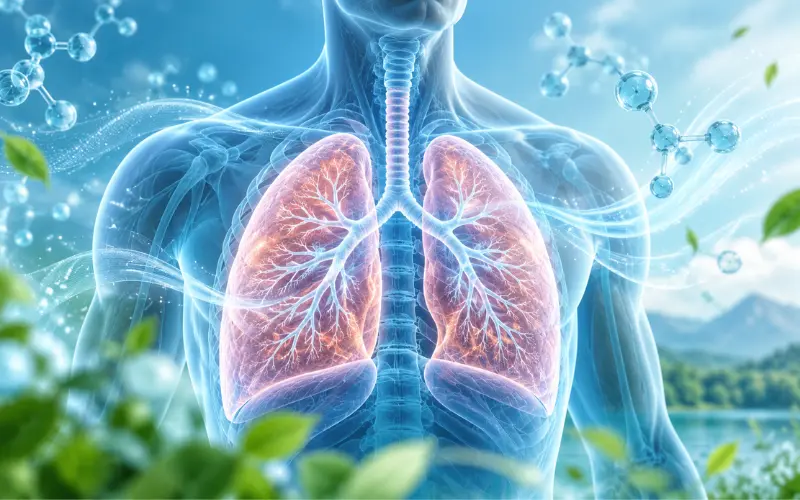
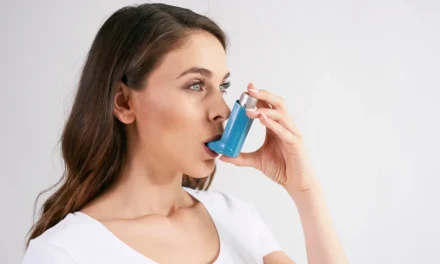
Every breath brings oxygen in and sends carbon dioxide out, and you do it thousands of times a day without thinking. Lung disease, however, makes each breath a conscious effort, and daily controllers such as an inhaler become essential tools.
The American Lung Association describes the lungs as an intricate system of airways and air sacs. This guide covers how it works, what damages it, and what the science says helps protect it. If you take daily lung medicines, understanding generic drugs can help you keep costs down.
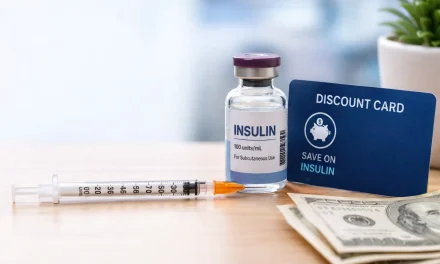
Inhalers and other lung medicines can be expensive. NuLifeSpan Rx offers a free discount card that can lower pharmacy prices. It is not insurance.
How the Respiratory System Works
Breathing feels automatic, but it depends on a chain of working parts. Muscles move air, a branching network of airways carries it deep into the chest, and microscopic sacs swap gases with the blood. The next two sections follow a single breath from the nose through the airways, and then look at where oxygen actually enters the body.
The Path of a Breath
Air enters through the nose or mouth, passes the throat and windpipe, and splits into bronchial tubes that branch into smaller and smaller airways, a bit like an upside-down tree. The nose does important early work by warming and moistening the air and filtering out larger particles. Along the airways, mucus and tiny hairs called cilia trap particles and sweep them upward so they can be coughed out or swallowed. Breathing through the nose when possible takes advantage of this built-in filter. Smoke and irritants can damage cilia, which is one reason smokers get more infections.
Where Gas Exchange Happens
At the end of the smallest airways are hundreds of millions of tiny air sacs called alveoli, each wrapped in a web of capillaries. Their walls are extremely thin, so oxygen passes into the blood while carbon dioxide passes out. The diaphragm, a dome-shaped muscle below the lungs, does most of the work of pulling air in. When it contracts and flattens, the chest space grows and air rushes in. When it relaxes, air flows out. Healthy, springy alveoli make this exchange efficient, and diseases that damage them make each breath less productive.
What Harms Lung Health
Unlike many organs, the lungs are in direct contact with the outside world with every breath, so they meet whatever is in the air. Some threats are chosen, like tobacco, while others come from the environment or from infection. The sections below cover smoke and pollution first, then infections and long-term conditions such as asthma and COPD.
Smoking and Air Pollution
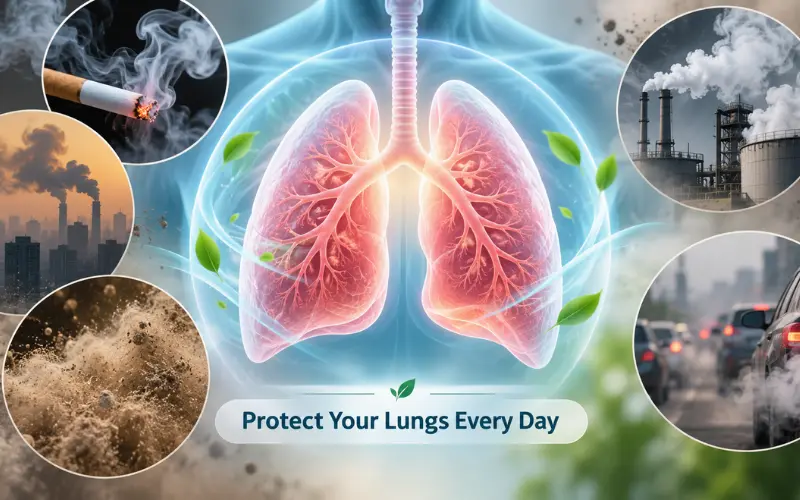
Tobacco smoke is the leading cause of chronic obstructive pulmonary disease, or COPD, and of lung cancer. It inflames airways, destroys air sacs, and damages the cilia that normally clean the lungs. Fine particle air pollution, wildfire smoke, and workplace dust or chemicals also irritate and inflame the airways, and people with asthma or heart disease are often affected first. On smoky or polluted days, it helps to limit time outdoors, keep windows closed, and avoid strenuous outdoor exercise. Secondhand smoke harms the lungs of children and adults too, so smoke-free homes and cars matter.
Infections and Chronic Conditions
Pneumonia, influenza, and other respiratory infections can injure lung tissue, and repeated infections can leave lasting effects. Asthma causes airways to narrow and swell in response to triggers such as allergens, cold air, or exercise. COPD, which includes chronic bronchitis and emphysema, leads to progressive airflow limitation that does not fully reverse. The World Health Organization) lists COPD among the leading causes of death worldwide. Many of these conditions can be managed well when found early, so paying attention to symptoms and keeping up with treatment plans is important.
Warning Signs to Take Seriously
Lung problems often start with symptoms that are easy to explain away, such as a nagging cough or getting winded on the stairs. Catching them early gives treatment its best chance. The next sections list the symptoms that deserve a medical visit, and a less obvious area that many people miss: how your breathing behaves while you sleep.
Symptoms That Need Attention
A cough lasting more than eight weeks, wheezing, shortness of breath with ordinary activity, chest tightness, or coughing up blood should be evaluated. Do not dismiss breathlessness as simply getting older, because healthy aging does not normally make everyday tasks feel like a struggle. A clinician may listen to your chest, check your oxygen level, and order a breathing test called spirometry to measure how much air you can move and how fast. Coughing up blood or sudden severe shortness of breath needs urgent care rather than a routine appointment.
Sleep and Breathing
Breathing can also falter at night. Loud snoring with pauses in breathing may signal sleep apnea, a condition in which the airway repeatedly narrows or closes during sleep. Each pause can drop oxygen levels and jolt the body awake, which strains both the lungs and heart. Other clues include morning headaches, heavy daytime sleepiness, and a partner who notices gasping. Sleep apnea is common and treatable, so raise it with your clinician instead of assuming snoring is harmless. Treatment often improves energy and overall health, and a sleep study can confirm the diagnosis.
Science-Backed Ways to Protect Your Lungs
You cannot grow new lung tissue, so prevention matters. These steps are supported by strong evidence. The two groups below focus on reducing what your lungs are exposed to, and on building strength and immune protection so that your lungs cope better when something does get through. None of them are complicated, and most can start today.
Avoid Smoke and Pollutants
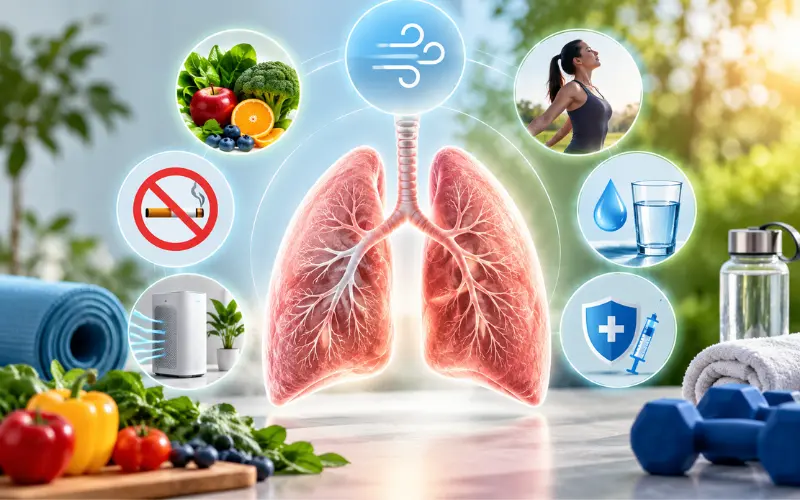
Not smoking is the single most effective step, and quitting at any age helps, with benefits that begin soon after the last cigarette. Avoid secondhand smoke, check air quality forecasts before outdoor exercise, use ventilation when cooking, and wear proper protection around dust or fumes. If you smoke and want to stop, ask a clinician about counseling and approved cessation aids, which raise the odds of success compared with willpower alone. Many national quitlines offer free support. Every smoke-free day gives your airways a chance to clear and heal.
Stay Active and Vaccinated
Aerobic exercise strengthens breathing muscles and improves how efficiently your body uses oxygen, so everyday tasks feel easier. Walking, swimming, and cycling are good choices, and people with lung conditions can often build up gradually with guidance. Vaccines against influenza, pneumococcal disease, COVID-19, and RSV, where recommended, reduce the risk of serious respiratory infection. Which ones you need depends on your age, health, and past vaccinations. Ask your clinician what applies to you, and keep a record so you know when each one is due.
Breathing Techniques That Help
Medicine and healthy habits are the foundation of lung care, but breathing technique can add real comfort on top of them. These methods are simple, free, and safe for most people to practice. The section below describes two widely taught approaches, what each one does for the body, and where to get proper instruction if you live with a lung condition.
Pursed-Lip and Diaphragmatic Breathing
Pursed-lip breathing means inhaling through the nose and exhaling slowly through pursed lips, as if blowing out a candle. It keeps airways open a little longer, helps trapped air escape, and can ease shortness of breath. Diaphragmatic breathing, sometimes called belly breathing, trains the main breathing muscle to work more efficiently so the chest and shoulders do less. Practice both while resting, before you need them during exertion. Pulmonary rehabilitation programs teach these methods under supervision, along with exercise and education, and a clinician can refer you.
Protecting Your Lungs at Home and Work
Most people spend the majority of their time indoors, so the air at home and at work matters as much as the air outside. Problems there often go unchecked because they are invisible. The sections below cover practical fixes for household air, and the safety steps that matter if your job exposes you to dust, fumes, or chemicals.
Improve Indoor Air
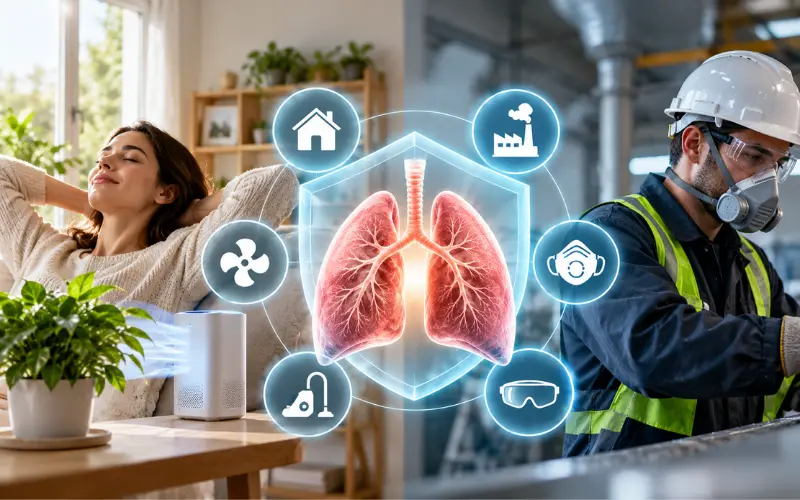
Keep your home smoke-free, ventilate when cooking, fix leaks quickly to prevent mold, and change HVAC filters regularly. Dust, pet dander, and damp areas are common triggers for people with asthma or allergies, so frequent cleaning helps. A carbon monoxide detector is a must, since the gas is odorless and dangerous. Consider a HEPA air purifier if outdoor pollution or allergens are a concern, and place it in the room where you spend the most time. Limit candles, incense, and unvented heaters indoors, and use the kitchen or bathroom fan to clear moisture and fumes.
Use Protection on the Job
If you work with dust, fumes, or chemicals, follow safety rules and use properly fitted respirators, since a loose mask offers much less protection than a snug one. Ask your employer about ventilation, training, and fit testing, and never skip protection for a quick job. Report ongoing cough or breathing problems to your employer and doctor, since early action can prevent permanent damage. Some occupational lung diseases develop slowly over years, so symptoms may appear long after the exposure began. Keeping a record of what you worked with can help your clinician.
Conclusion
Healthy lungs depend on clean air, no tobacco, regular activity, and up-to-date vaccines. Pay attention to the air you breathe at home and at work, and use proper protection around dust and fumes. Simple breathing techniques can ease shortness of breath, and pulmonary rehabilitation offers supervised help. Early evaluation gives most lung conditions a better outcome. See a clinician for any breathing symptom that is persistent or new, and do not write off breathlessness as age.
Frequently Asked Questions
How many times a day do we breathe?
At rest, adults breathe about 12 to 20 times a minute, which adds up to roughly 17,000 to 29,000 breaths each day. Rate rises during exercise, fever, or anxiety, and it slows during deep sleep. Children breathe faster than adults. Because breathing is partly automatic, most of us never notice it. A resting rate that stays well outside the usual range, or comes with breathlessness, is worth mentioning to a clinician.
Can damaged lungs heal?
Lungs can repair some injury, such as after a short infection, but damage from diseases like COPD is largely permanent. Stopping smoking and treatment can slow further decline and ease symptoms. After a bout of pneumonia or bronchitis, recovery may take weeks, and some people have a lingering cough. Pulmonary rehabilitation can help people regain strength and stamina even when the lung tissue itself cannot be restored.
Does lung capacity decline with age?
Yes. Lung function peaks in early adulthood and declines slowly afterward, which is a normal part of aging. Regular exercise and avoiding smoke keep that decline gradual, while smoking speeds it up. Breathing muscles and the chest wall also stiffen with age, so older adults may notice they tire more quickly. A sudden or steep drop in breathing ability is not normal aging and should be checked by a clinician.
What is the difference between asthma and COPD?
Asthma involves reversible airway narrowing, often triggered by allergens, exercise, or irritants, and usually starts earlier in life. COPD, mostly caused by smoking, involves progressive and largely irreversible airflow limitation and usually appears in adults over 40. Both cause wheezing and breathlessness, and they can occur together. A breathing test called spirometry helps tell them apart.
How can I improve my lung capacity?
You cannot grow new lung tissue, but you can make breathing more efficient. Regular aerobic exercise strengthens breathing muscles and improves oxygen use, and practices such as diaphragmatic and pursed-lip breathing can help. Avoid smoking and air pollution, and stay vaccinated. People with lung disease may benefit from pulmonary rehabilitation.
Does smoking damage the lungs permanently?
Smoking damages airways and air sacs, and much of the structural damage, such as emphysema, is not reversible. Quitting at any age slows further decline, lowers the risk of lung cancer, heart disease, and infections, and can ease cough and breathlessness. Counseling and approved quit-smoking medicines raise the chance of success, so ask a clinician.
Medical disclaimer: This article is for general education and is not medical advice. Talk to a qualified healthcare professional about your own health, symptoms, and medications. NuLifeSpan Rx is a free prescription discount program and is not insurance.








Trackbacks/Pingbacks