Author: Dr. Ethan Vale

How to Save at CVS Without Insurance

Someone without insurance can still lower costs at CVS by using free prescription discount cards — including the NuLifeSpan Rx card, GoodRx, and WellRx — which often cut retail prices by over half. They should join the free ExtraCare program for prescription rewards, ask pharmacists to compare card vs. cash prices, and request generics when clinically appropriate. Longer 90-day refills may be cheaper and improve adherence. Seniors can also leverage OTC allowances and store-brand options, and there are additional ways to stretch every dollar further.

Read More

How to Find the Cheapest Pharmacy for Any Medication

Finding the cheapest pharmacy for any medication requires comparing prices across local chains, supermarkets, independents, and reputable online pharmacies. Patients should verify generic options, use tools like the NuLifeSpan Rx pricing tool, GoodRx, SingleCare, or America’s Pharmacy, and confirm final cash prices with each pharmacy. They must ascertain online pharmacies are licensed and require valid prescriptions. Insurance, discount cards, and membership programs shouldn’t be stacked blindly, as rules vary. The most cost-effective and safe strategy becomes clearer with a structured, stepwise approach.

Read More

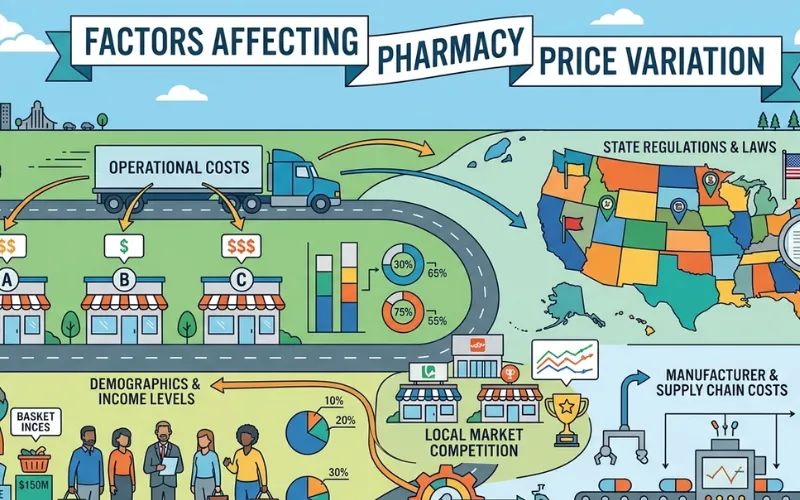
Why Walmart Pharmacy Prices Vary

Walmart pharmacy prices vary because each prescription reflects drug acquisition costs, generic competition, state pricing rules, and Walmart’s own markup and dispensing expenses. Insurance contracts and pharmacy benefit manager (PBM) reimbursements also change what patients pay versus Walmart’s cash or $4 generic prices. Shortages, dose strength, quantity, and whether a patient uses insurance or a prescription discount program like NuLifeSpan Rx can further shift costs. Understanding these pricing drivers helps patients anticipate charges and find opportunities to lower out-of-pocket spending.

Read More

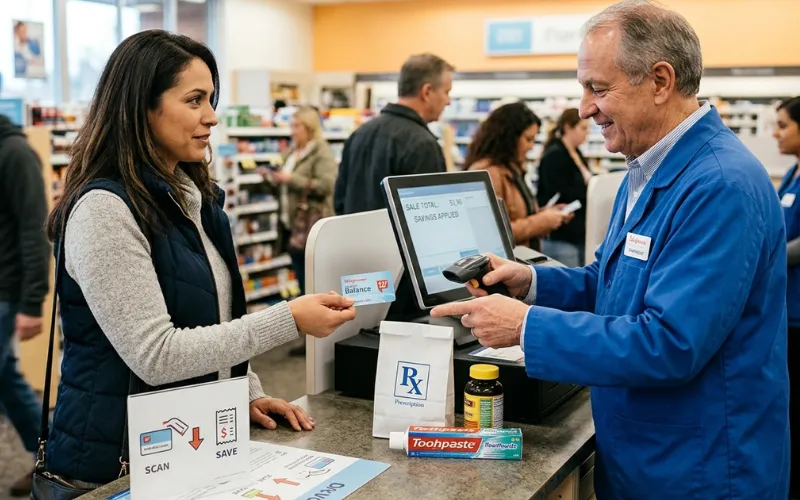
How Discount Cards Work at Walgreens

Walgreens prescription discount cards act like third-party coupons that lower the cash price of medications, often by about 65% and sometimes up to 80%. Patients don’t use insurance with these cards; the pharmacist runs the prescription as a cash claim using the card’s BIN, PCN, Group, and ID numbers. Payments won’t count toward deductibles or out-of-pocket maximums, but they can greatly cut costs — especially for uninsured patients, underinsured families, and anyone whose copay exceeds the discounted cash price. Free programs like the NuLifeSpan Rx discount card work on exactly this model, giving patients instant savings at over 35,000 pharmacies including Walgreens, with no fees or eligibility requirements.

Read More