High blood pressure is one of the most common health conditions among older adults, and treating it is usually a lifelong commitment. If you take one or more daily pills, the monthly cost adds up year after year. Knowing how to save on blood pressure medications as a senior can make a real difference to your budget without putting your health at risk. You can compare prescription prices at pharmacies near you before you fill your next refill, and this guide walks through every other proven way to lower your costs safely.
Why Seniors Often Pay More for Prescriptions
Many older adults take several medications at once, a situation doctors call polypharmacy. Each additional prescription means another copay or cash price every month.
Fixed retirement incomes make these recurring costs harder to absorb. Some seniors also fall into coverage gaps, such as having Medicare but a plan that places their specific medication on a higher cost tier. Others have no drug coverage at all, and there is dedicated help for uninsured or underinsured patients who pay the full cash price today.
Common Types of Blood Pressure Medications
Doctors treat hypertension, the medical term for high blood pressure, with several classes of medication. Each class works differently in the body:
- ACE inhibitors, such as lisinopril, relax blood vessels.
- Angiotensin II receptor blockers (ARBs), such as losartan, block a hormone that narrows vessels.
- Calcium channel blockers, such as amlodipine, ease the force of the heartbeat and relax vessel walls.
- Diuretics, such as hydrochlorothiazide, help the body remove extra salt and water.
- Beta blockers, such as metoprolol, slow the heart rate.
These examples are for education only. Your healthcare provider chooses the right medication based on your health history, kidney function, and other medicines you take. You can read more about each class at the MedlinePlus guide to blood pressure medicines.
Why Prices Vary So Much
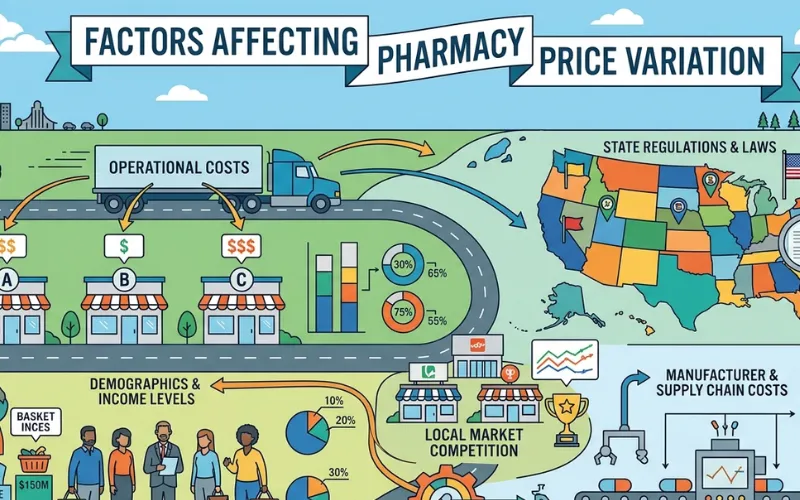
The same pill can carry very different prices depending on the medication name, whether it is a generic or brand version, the dosage, the quantity, the pharmacy, your ZIP code, your insurance or Medicare plan, and any discount you apply. Two pharmacies on the same street can charge noticeably different cash prices for an identical prescription.
This is why checking prices before you pay matters. A few minutes of comparison can lower your yearly spending, and the good news is that most first-line blood pressure medications are available as lower-cost generics.

How Medicare Part D Covers Blood Pressure Medication
Medicare Part D is the part of Medicare that covers prescription drugs you pick up at a pharmacy. Most Part D plans cover common blood pressure medications, though your copay depends on the tier your plan assigns to the drug.
In 2026, Part D plans cap your yearly out-of-pocket spending on covered drugs at $2,100, and the maximum plan deductible is $615. A deductible is the amount you pay before your plan starts sharing costs. Once you reach the $2,100 cap, your plan pays the full cost of covered drugs for the rest of the year. You can review the details on the official Medicare Part D costs page.
Compare Your Medicare Copay With Other Prices
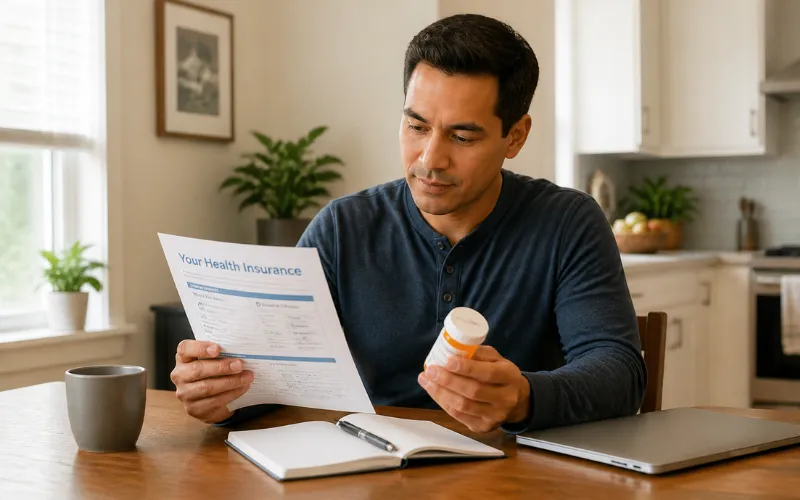
Your Part D copay is not always the lowest price available. For inexpensive generics, a pharmacy’s cash price or a discount card price is sometimes lower than an insurance copay.
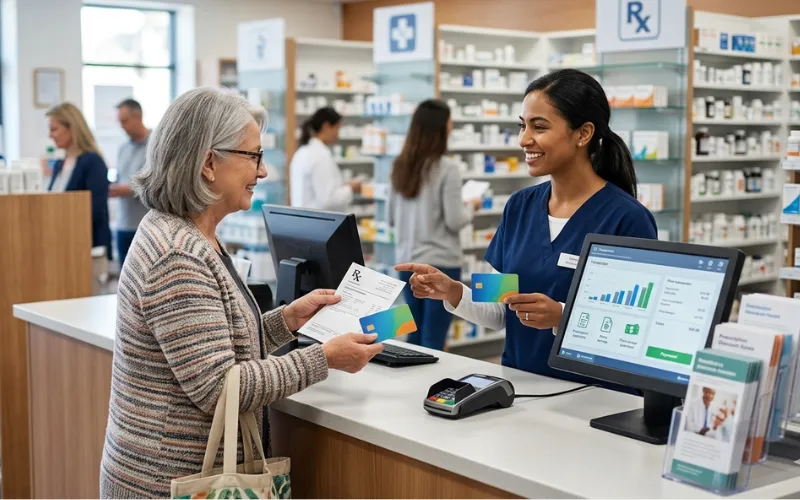
Keep in mind two important rules. A discount card and insurance generally cannot be applied to the same prescription transaction, so you choose one or the other for each fill. Also, purchases made with a discount card generally do not count toward your Medicare deductible or out-of-pocket maximum. Ask your pharmacist to compare your plan price, the cash price, and the discount price before you complete the transaction.
Ask About FDA-Approved Generic Alternatives
Generic medications must meet the same quality, strength, and safety standards as their brand-name versions. The FDA’s overview of generic drugs explains that generics work the same way and provide the same clinical benefit.
If you currently take a brand-name blood pressure medication, ask your healthcare provider whether an FDA-approved generic in the same class could be appropriate for you. Never switch on your own. Only your provider can decide whether a change is safe for your situation.
Compare Prices at Nearby Pharmacies
Pharmacy pricing is not standardized, so it pays to shop around. Large chains, grocery store pharmacies, and independent pharmacies each set their own cash prices.
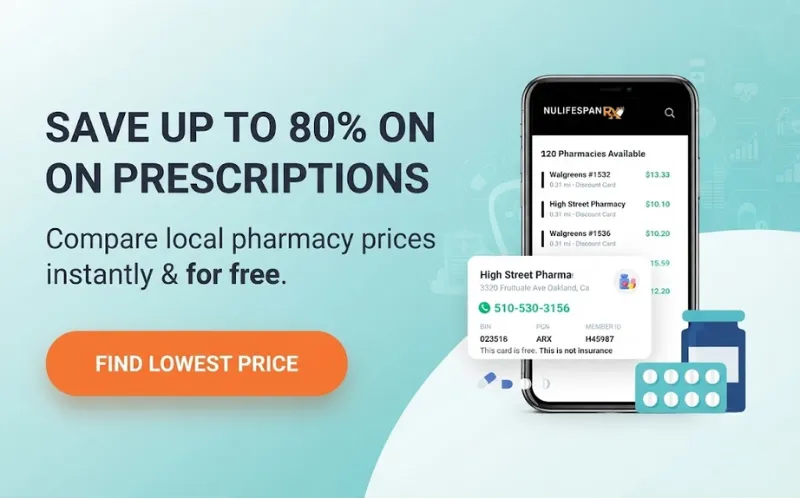
A quick comparison tool can show you where your prescription costs the least in your ZIP code. This guide to finding the lowest medication price explains the process step by step.
Consider a 90-Day Supply
Many pharmacies and Part D plans offer a lower per-pill price on a 90-day supply compared with three separate 30-day fills. A longer supply also means fewer trips to the pharmacy and fewer chances to miss a refill.
Ask your provider whether a 90-day prescription is medically appropriate for you, and ask your pharmacist whether it actually lowers your total cost. It usually helps most with stable, long-term medications like blood pressure treatment.
Ask About Combination Pills
Some blood pressure treatments combine two medications in a single pill, such as an ACE inhibitor paired with a diuretic. One combination pill can sometimes cost less than two separate prescriptions, and it simplifies your daily routine.
Combination pills are not right for everyone, because your provider may need to adjust each medication separately. Raise the question at your next appointment rather than requesting a change at the pharmacy counter. The MedlinePlus article on high blood pressure medications describes how these treatments are commonly used.
Check Medicare Extra Help and Other Assistance
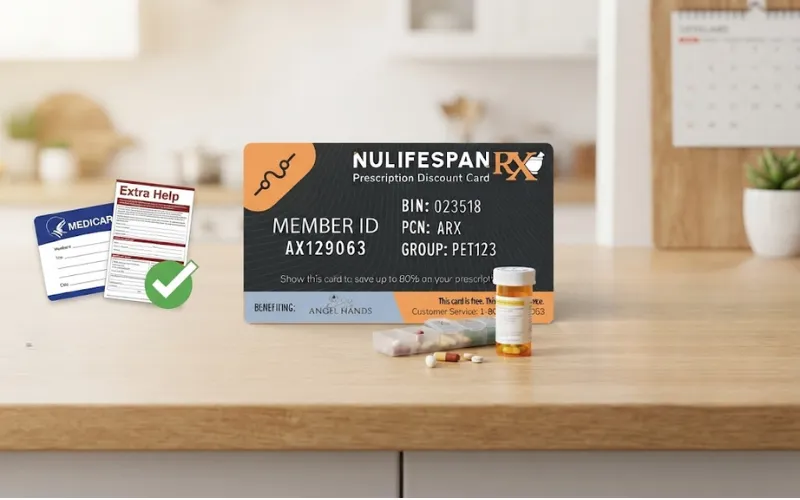
Extra Help is a Medicare program that lowers Part D premiums, deductibles, and copays for people with limited income and resources. If you qualify, your blood pressure medication copays could drop significantly.
You can apply through the Social Security Administration at any time of year. State pharmaceutical assistance programs and community health centers may also offer support, so it is worth asking your pharmacist or local Area Agency on Aging what is available where you live.
Using NuLifeSpan Rx for Eligible Prescriptions
NuLifeSpan Rx is a free prescription discount program, not health insurance and not a Medicare prescription drug plan. It provides negotiated prices on eligible prescriptions at participating pharmacies, and savings vary by medication and pharmacy.
With the card, members can save up to 80% on eligible prescriptions at participating pharmacies, though the exact discount depends on the specific drug, dose, and location. Because a discount price is sometimes lower than a copay and sometimes not, always ask your pharmacist to compare the discount price with your insurance copay, your Medicare price, the pharmacy cash price, and any other assistance you qualify for before paying. NuLifeSpan Rx does not always provide the lowest price, which is exactly why comparing first is the smart move.
Medication Safety Considerations for Older Adults
Saving money should never come at the cost of safety. Blood pressure medications can cause dizziness or low blood pressure in some older adults, which raises the risk of falls.
Some medications in this category also affect kidney function and electrolyte levels, which is why providers order periodic blood tests. If you take multiple medications, interactions are another concern. Talk with your healthcare provider or pharmacist about any new symptoms, and never stop, skip, or change a blood pressure medication because of cost without speaking with your provider first. Untreated high blood pressure carries serious risks that far outweigh the savings.
Your Savings Checklist
Before your next refill, run through this quick list:
- Ask your provider whether an FDA-approved generic is appropriate.
- Ask whether a 90-day supply or a combination pill could lower your cost.
- Compare prices at two or three nearby pharmacies.
- Ask your pharmacist to compare your copay, the cash price, and the discount card price.
- Check whether you qualify for Medicare Extra Help or state assistance.
- Keep a free discount card ready as a backup price option.
The Bottom Line
Learning how to save on blood pressure medications as a senior comes down to a handful of habits, including choosing generics when your provider approves, comparing pharmacy prices, understanding your Medicare coverage, and checking a discount price before every fill. None of these steps requires sacrificing quality of care. Get your free NuLifeSpan Rx card today and compare pharmacy prices for your blood pressure prescription before your next refill.
Frequently Asked Questions
Are generic blood pressure medications as effective as brand-name versions?
Yes. The FDA requires generic medications to contain the same active ingredient, strength, and dosage form as the brand version, and to work the same way in the body. Most common blood pressure medications, including lisinopril, amlodipine, and losartan, are available as lower-cost generics. Ask your healthcare provider whether a generic is appropriate for your treatment plan.
Does Medicare cover blood pressure medications?
Most Medicare Part D plans and Medicare Advantage plans with drug coverage include common blood pressure medications on their formularies, which are the lists of covered drugs. Your copay depends on the tier your plan assigns to the medication. In 2026, your out-of-pocket spending on covered Part D drugs is capped at $2,100 for the year.
Can I use a prescription discount card if I have Medicare?
Yes, you can hold both, but you generally cannot apply a discount card and your Medicare plan to the same prescription transaction. You choose one price for each fill. Also, what you pay using a discount card generally does not count toward your Medicare deductible or out-of-pocket maximum, so compare both prices with your pharmacist first.
Why do pharmacies charge different prices for the same medication?
Pharmacies set their own cash prices, and negotiated rates vary between locations, chains, and regions. Your ZIP code, the dosage, and the quantity all affect the final price. Because of this variation, comparing two or three nearby pharmacies before filling a prescription is one of the simplest ways for seniors to reduce medication spending.
Is a 90-day supply cheaper than a 30-day supply?
Often, yes. Many pharmacies and Medicare Part D plans price a 90-day supply below the cost of three separate 30-day fills, and it reduces trips to the pharmacy. It is not automatic, though. Ask your healthcare provider whether a 90-day prescription is appropriate for you, then ask your pharmacist to confirm that it actually lowers your total cost.
What help is available for low-income seniors who cannot afford blood pressure medication?
Medicare Extra Help lowers Part D premiums, deductibles, and copays for people with limited income and resources, and you can apply through Social Security year round. State pharmaceutical assistance programs, community health centers, and free prescription discount programs can also reduce costs. Talk with your provider before delaying or skipping doses for financial reasons.